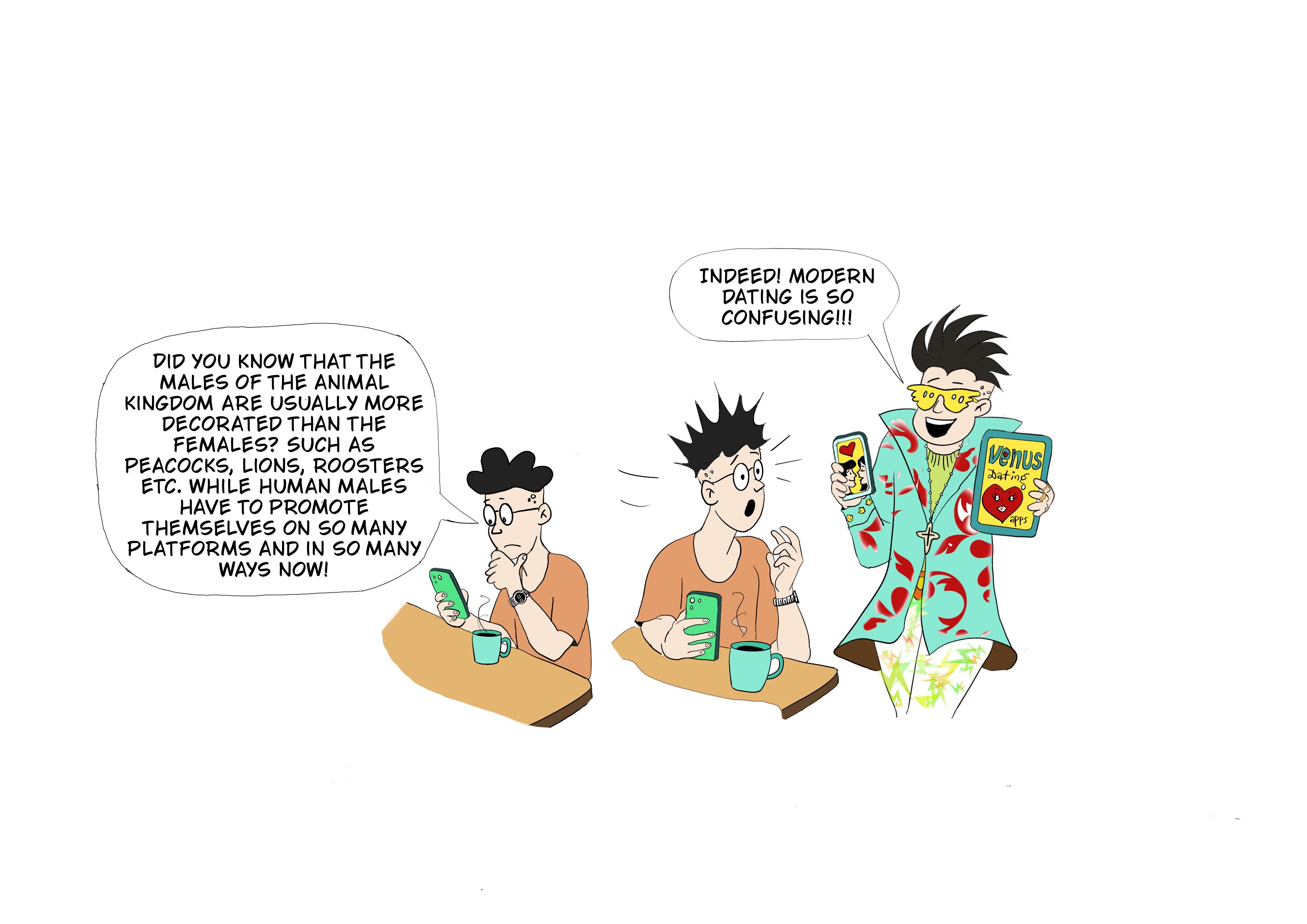
Situationships—undefined romantic arrangements without clear commitment—are increasingly visible among young adults in Singapore, including in our Methodist churches.
Some lessons in life are ones we want to learn. Others come uninvited and may even be unwelcome. Hard lessons can be painful but if we learn something from them, perhaps even they do have a silver lining.
I am blessed with two sons, but I have a strong desire to have a daughter. As I am approaching 40, I am concerned about whether my physical health and emotional capacity can handle raising another son.
I attend youth service and cell group sessions faithfully, but I feel judged when I want to skip cell for a friend’s birthday, go clubbing occasionally, or skip church when I’m rushing an assignment.
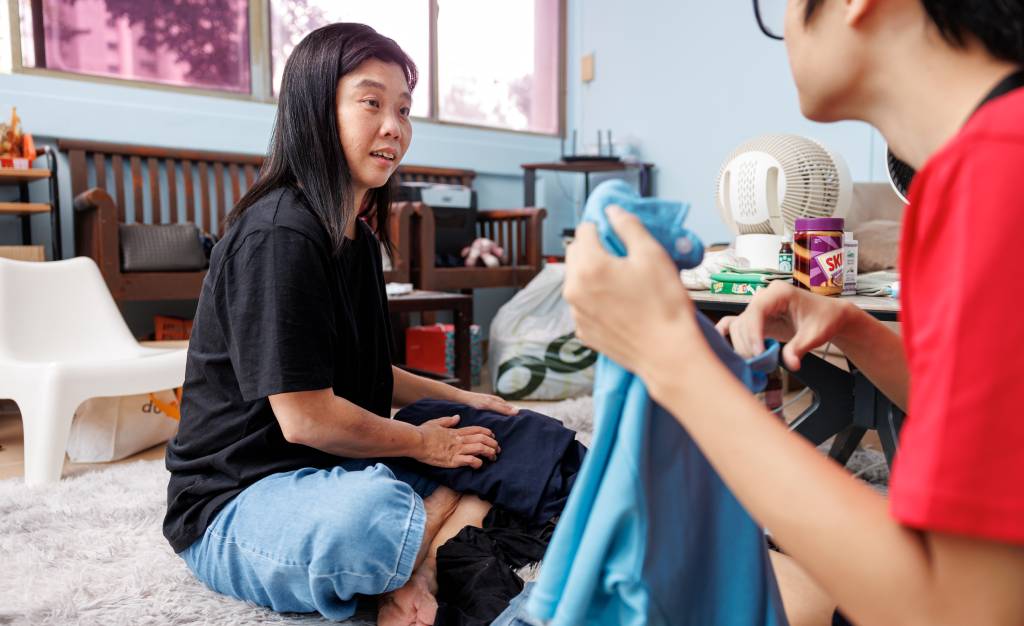
On a Monday afternoon, Wendy Foong steps into a flat in Hougang, where two teenage brothers, Aiden (not his real name), 15, and his 14-year-old sibling, are just waking from an afternoon nap.
On my wedding day, the Women’s Society of Christian Service (WSCS) ladies at my church gave me one of the most unforgettable expressions of love I have ever experienced.
Since the sexual revolution and the emergence of modern gender theories, there has been a bewildering proliferation of gender identities and types of sexual orientations.
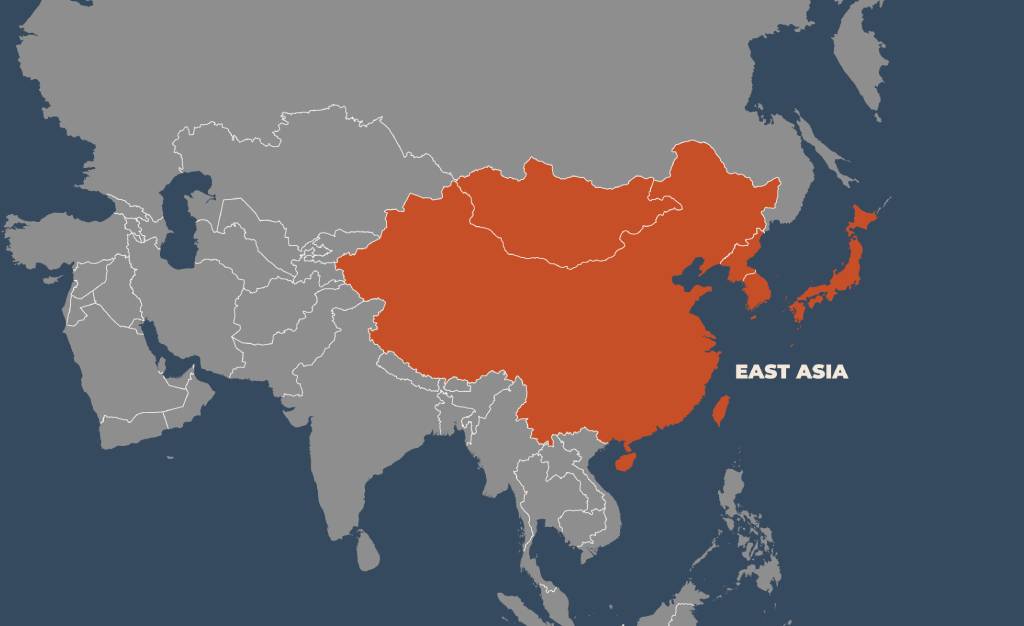
When comparing the Chinese and biblical views of sexuality, we find that they are rooted in fundamentally different authority systems and core philosophies.
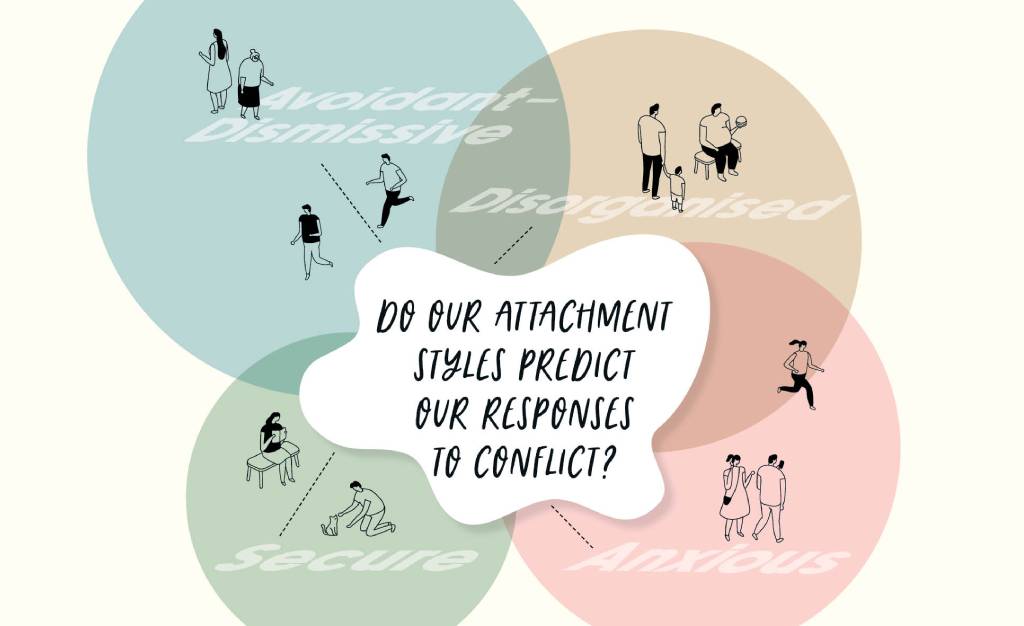
Several psychological theories have been developed to explain how human beings behave, including how they handle conflict. One theory is that human interaction is influenced by unconscious emotions and impulses.
There is a common misconception among Christians that forgiveness is something that can be brought about by one person (the offended party), while reconciliation requires two parties (the offended and the offender).
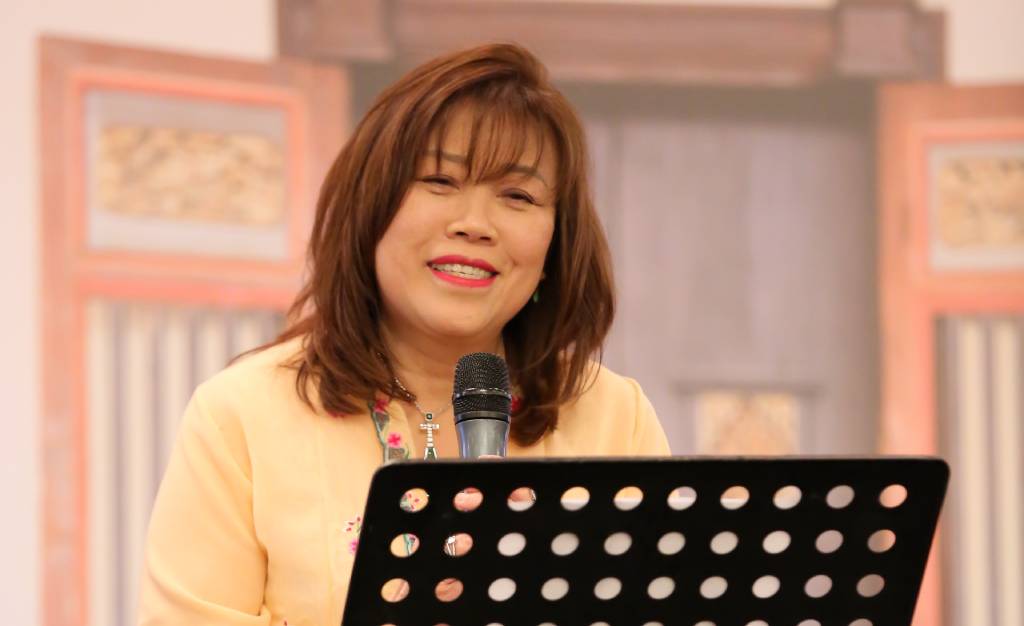
After 20 years at the helm of the Methodist Schools’ Foundation, outgoing Board Chairperson Mrs Joni Ong reflects on providential moments, unexpected detours and the living testimonies that have shaped her understanding of stewardship.
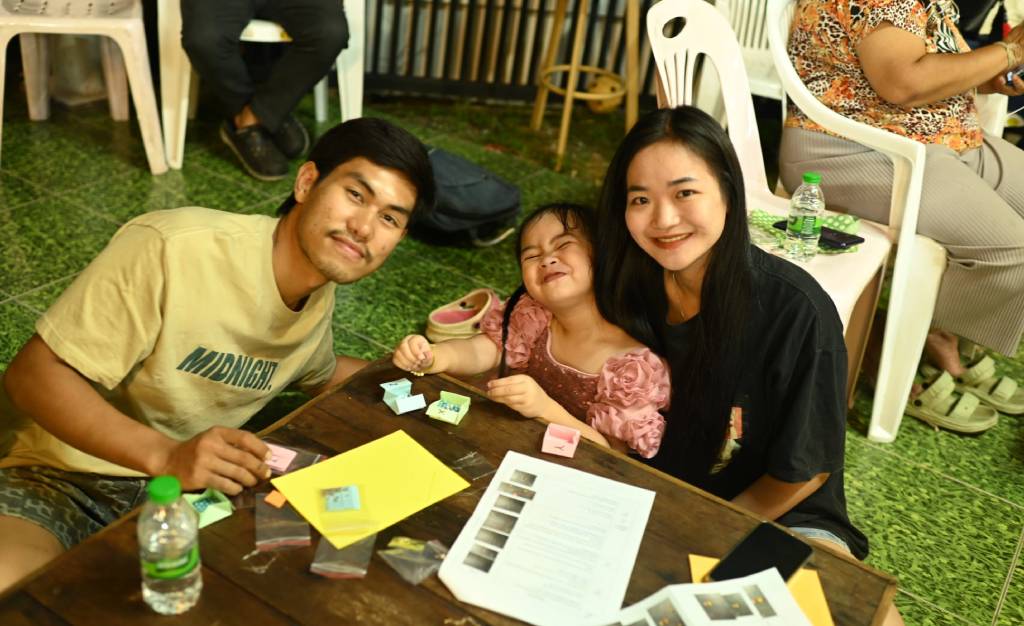
Having served in a children’s ministry in Thailand for many years, one truth has become unmistakably clear: interacting with children once a week is simply not enough. If we truly want to shape lives, more quality time with them is non-negotiable.