
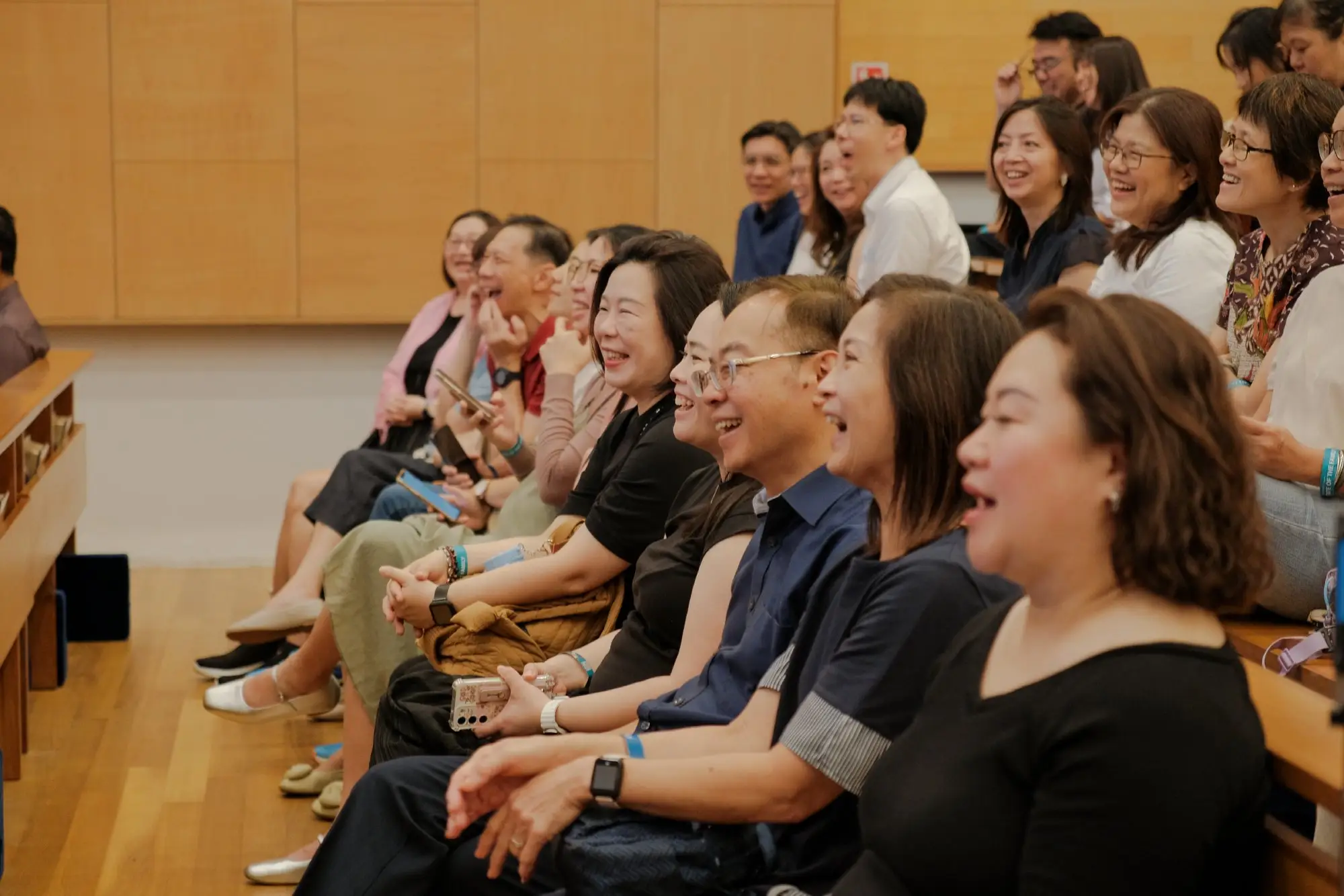
At the State of the Family 2026 plenary discussions, church leaders and workers were reminded that even “happy” Christian marriages may conceal some quiet dissatisfaction—particularly among wives.
Views on marriages today
“Christians are now more moderate or permissive towards divorce than 10 years ago.”
“Christian youths aged 18 to 25 years old are increasingly permissive towards premarital sex and same-sex relationships.”
These trends were announced by Ms Delia Ng, CEO of Focus on the Family Singapore, at the State of the Family 2026 on the morning of 26 February at St Andrew’s Cathedral, attended by 354 pastors, church leaders, marriage mentors and family champions.
Even as Ms Ng shared about the rise of individualism and how it redefined views on families and marriages even among Christians, Deputy Prime Minister Gan Kim Yong in Parliament on the same day also talked about the “existential problem” of Singapore’s historically low fertility rate. Expectedly, these trends were gaining close attention by both the Church and the Government.

Key trends in marriage landscape
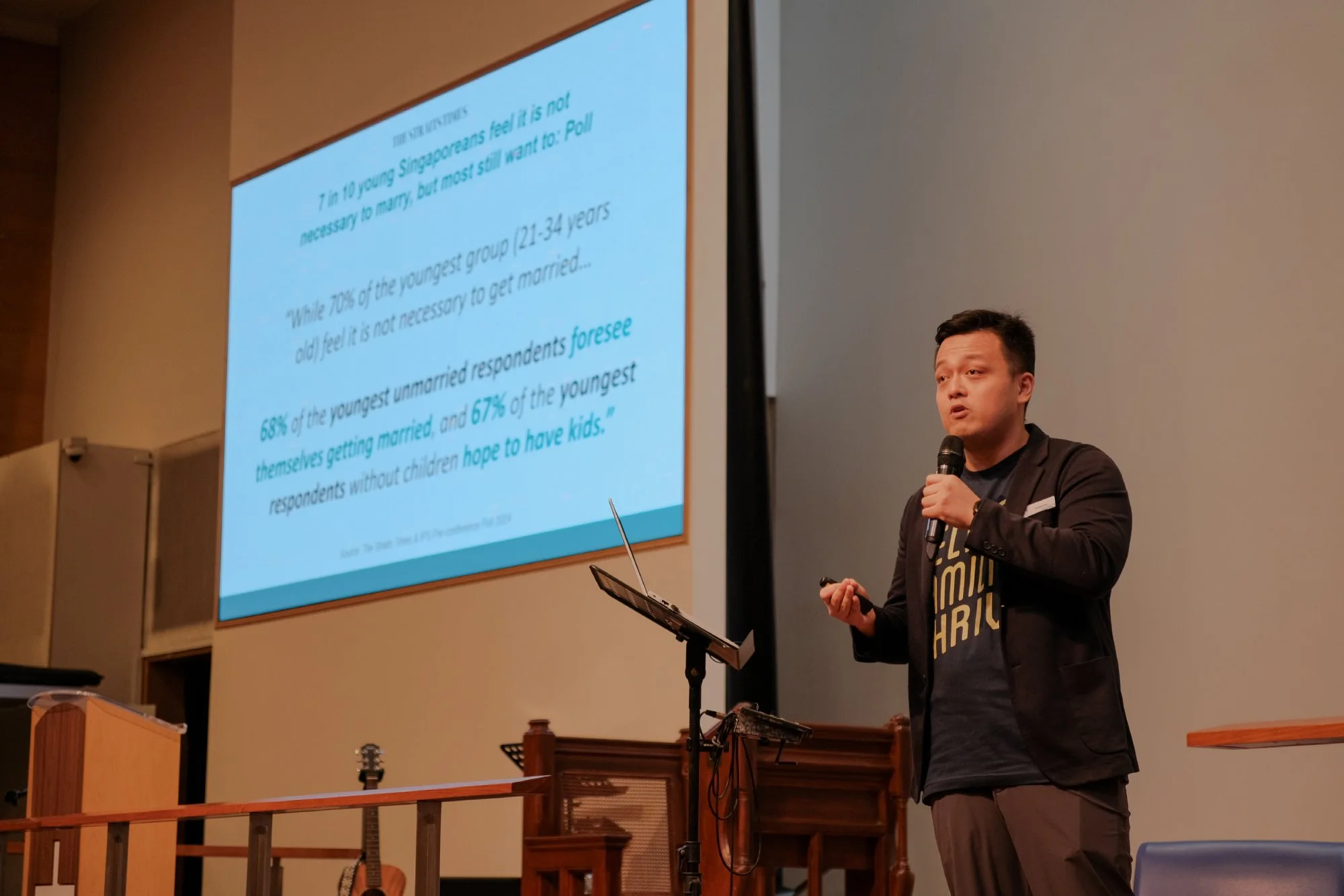
Mr Benedict Ng, Research Strategist at Focus on the Family Singapore, shared that marriages are down and divorces are up in the recent three years1, and that the young were less likely to prioritise marriage in their life plans.
In a study by National Youth Survey 2024, “To get married” was ranked 10 in their list of goals behind “To have a place of my own” (ranked first) and “To maintain strong family relationships” (ranked second). It was thus unsurprising that 70% of youths (21-34 years old) felt that it was not necessary to get married, although they want to.2
But beyond whether Singaporeans were marrying, a deeper question emerged at the State of the Family gathering: How healthy were the Christian marriages that already exist?
Even among couples who described their marriages as happy and healthy, wives consistently reported lower levels of satisfaction than husbands.
A quiet dissatisfaction
Even among couples who described their marriages as happy and healthy, wives consistently reported lower levels of satisfaction than husbands. 67% of husbands reported being satisfied with their marriage compared to 54%, just over half of surveyed Christian wives. It was also worth noting that not only were more husbands satisfied, but their satisfaction scores were also higher than the wives.
These findings came from Focus on the Family Singapore’s Connect2 Marriage Assessment, which surveyed 1,880 respondents from nine churches. The assessment primarily measured couple satisfaction and thoughts of divorce.
In addition, while 80% and above reported that “not at all/rarely” considered divorce, 20% of wives have “sometimes or frequently/most of the time” contemplated divorce.
Why did all these data matter and what did it show us? Mr Ng shared that the top pain point among couples was managing shared responsibility—”whether they see themselves on the same team and believe in mutual cooperation”.
He added that such beliefs would go on to directly or indirectly affect our youths. He quoted them reflecting, “One reason for young women’s disinterest or reluctance … relates to feeling worried that they will be caught in the double bind of not having equal partnership in terms of running the family,” after watching their mothers burn out from being primarily responsible for the visible and invisible labour of running a family on top of full-time employment.3
Growing in physical intimacy and healthy conflict management also ranked at second and third pain points respectively.
Addressing pain points in marriages
What should we do to address the imbalances in unequal caregiving, invisible emotional labour, unresolved conflict and increase intimacy in marriages? What resources or support could the Church and its members provide?
The speakers at the two plenary discussions highlighted that marriage was a place of great spiritual warfare and that husbands and wives needed to turn to God with what were in their hearts.
Rev Dr Christopher Chia, Senior Pastor Adam Road Presbyterian Church, pointed out in Plenary Session One that the “fiercest spiritual battle is in the marriage” and that Satan attacked the marriage and its relationship with God first, with Adam and Eve. He added that getting our marriage right with God began with one’s heart.
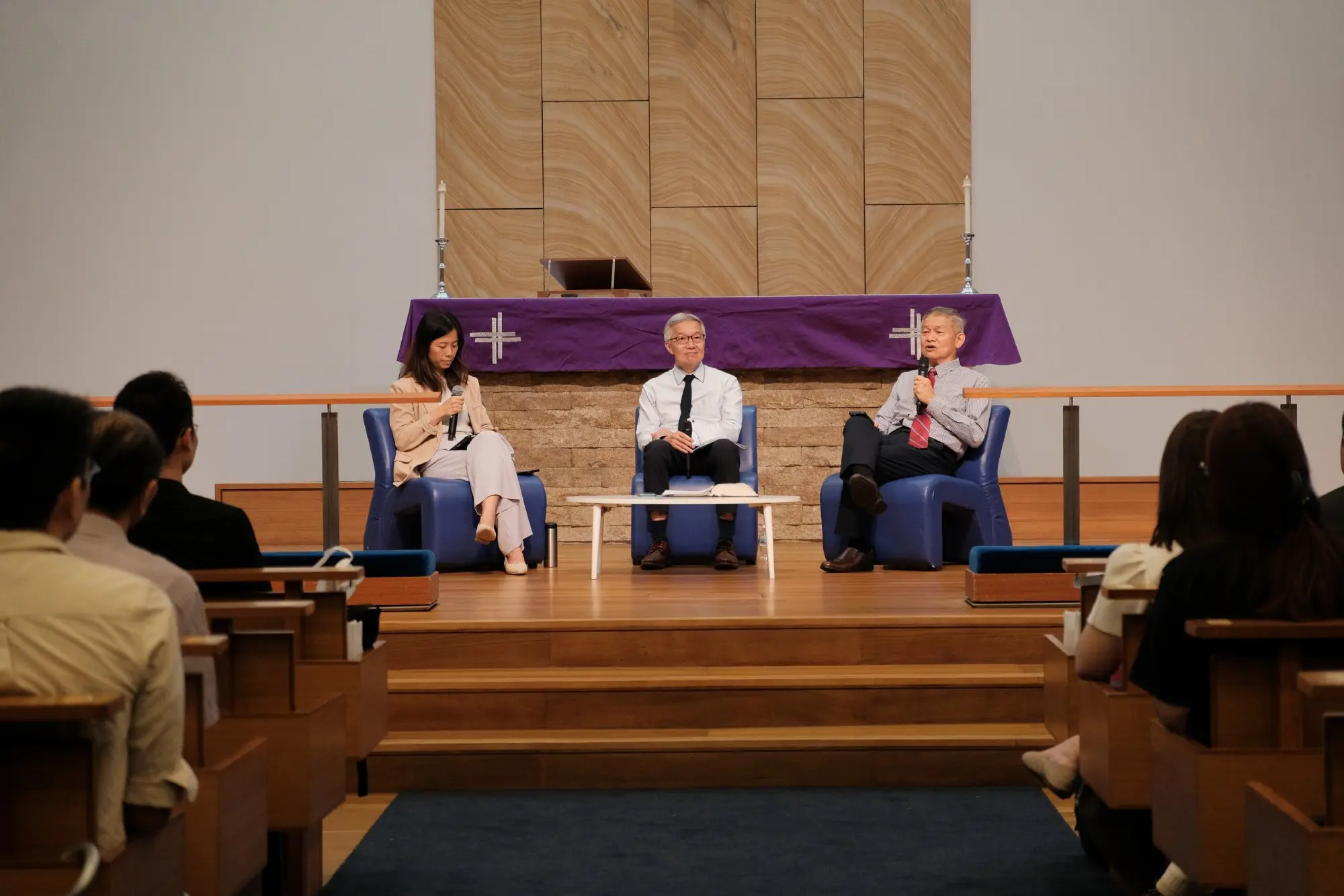
She encouraged husbands to “listen to your wives with the eyes of your heart” and wives to patiently help their husbands understand their own feelings.
Root causes
This was echoed by Dr David Ang, co-founder of Back to the Garden Ministry with his wife, Mrs Amy Ang, who was also a speaker. He quoted Proverbs 4:23 (NIV), “Above all else, guard your heart, for everything you do flows from it.” He said conflict in marriages is often “symptomatic of a deeper problem” rooted in childhood, and that true intimacy requires addressing what resides in our hearts—feeling “safety in sharing, safety even in ourselves”.
“Listen with the eyes of your heart”
As for the number one pain point of sharing responsibilities as couples, Mrs Ang discussed the challenges of defining these responsibilities in parenting. She said to laughter from the audience that for example, breastfeeding would always be the wife’s full responsibility. More than defining responsibilities, she advised that it was vital to nurture and care for each other’s hearts in the marriage, similar to tending to a garden.
She encouraged husbands to “listen to your wives with the eyes of your heart” and wives to patiently help their husbands understand their own feelings.
As for effective conflict management, Pastor Mavis Huang, youth pastor of 3:16 church, the youngest speaker at Plenary Session Two, shared that we needed to expect disagreements and conflicts in marriages and equip ourselves with tools to learn how to “fight well and listen well”. And one of the tools was to normalise our conflict management struggles by talking about them, rather than presenting only “the perfect side” to our marriage.

Discipling marriages and families
Looking at the role of the Church, Dr Ang challenged that in discipleship, instead of discipling individuals, should we not “extend the meaning of discipleship into discipling marriages and families”. He and his wife added it was important to build communities that could provide safe spaces to address difficulties that couples face, of which many they had observed were suffering silently. He extolled us to not only focus on our families but to focus on God in all that we do because the father would be coming back for his family.
Ong Jia Min is the Website Editorial Executive at MCS Communications./ Photos courtesy of Focus on the Family Singapore
1 Source: Department of Statistics Singapore
2 Source: The Straits Times & IPS Pre-conference Poll 2024
3 Source: The Straits Times & IPS Pre-conference Poll 2024