
On 26 February 2025, two-time Academy award winning actor Gene Hackman and his wife Betsy were found dead in their home. The medical investigator concluded that Betsy had passed away first, followed by Gene a few days later. His official cause of death was severe heart disease, with advanced Alzheimer’s disease (a form of dementia) as a contributing factor.
Due to Gene’s dementia, it is quite possible that he was not aware that Betsy had died. Or worse, Gene’s dementia may have resulted in him repeatedly experiencing the loss of his wife. As one dementia expert observes:
I imagine he would be trying to wake her up [after she died] and not being successful. But then [he] could have been distracted in another room because of one of the dogs or something. Then later, he’d again notice his wife on the ground and would ‘live through it again’.1
The thought of how he might have to repeatedly experience his wife’s death moved me to tears. At the same time, the story also prompted many questions in my mind. Why was the couple unable to obtain medical help? Why was Gene—despite being a rich and celebrated actor—so socially isolated that it took days for him to be found? And lastly: might their last days have been different if they had been members of a church? These questions haunt me whenever I teach about welcoming people with dementia into our churches.
What is dementia?
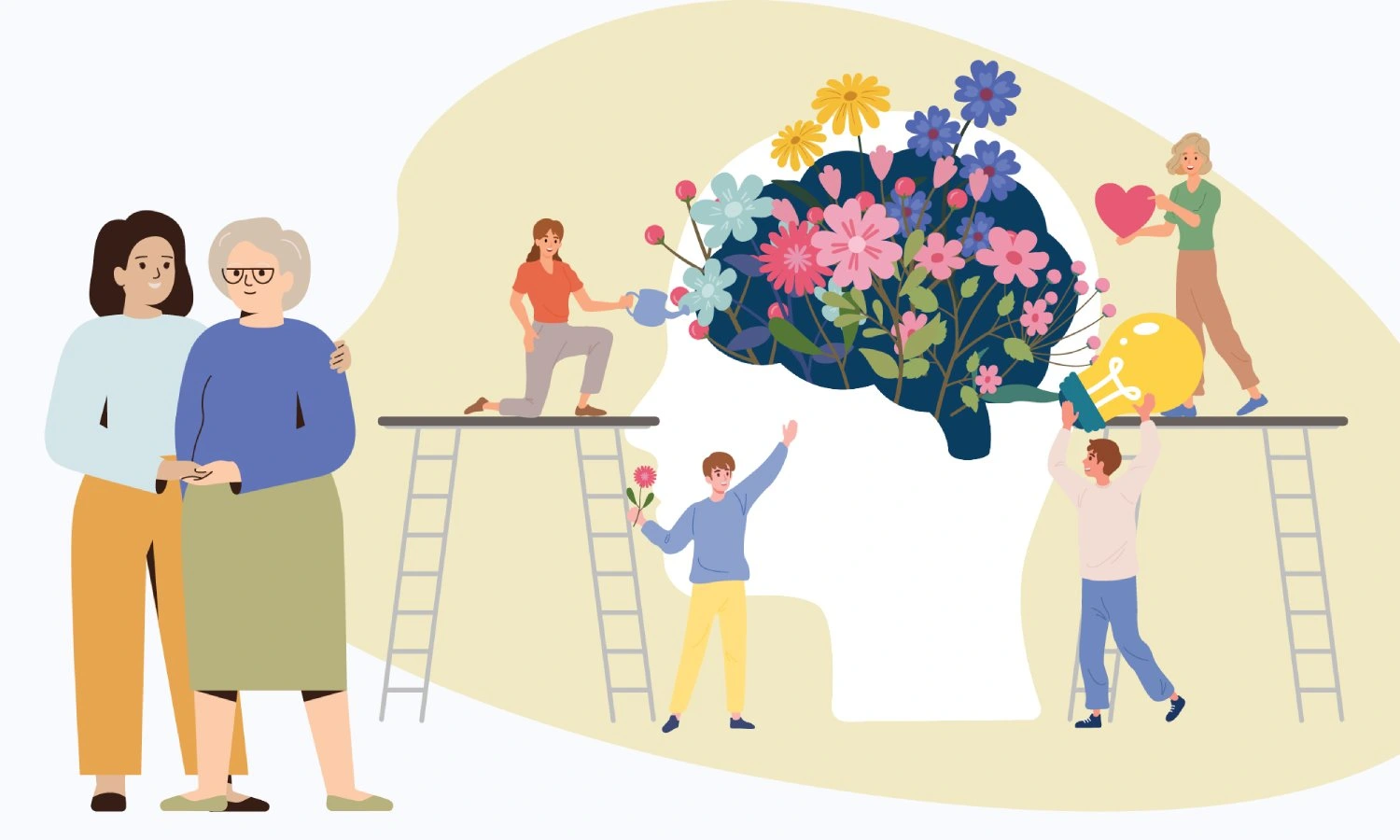
Dementia, now formally known as neurocognitive disorder (NCD),2 is not a single disease or condition. Rather, it is a term that describes “a group of symptoms affecting memory, thinking and social abilities” where “the symptoms interfere with daily lives”.3 While over a hundred different conditions can result in the symptoms of dementia,4 the most common forms in Singapore are vascular dementia and Alzheimer’s disease.5
While dementia has medical causes, it has also been called a “theological disease”.6 This is because dementia (i) disrupts memory, identity and rationality, (ii) makes relationships difficult, (iii) challenges ideas of human dignity and personhood, and (iv) complicates participation in various forms of worship. Churches often find it difficult to understand how someone living with dementia can still have a meaningful spiritual life and be part of a church community.
Why include people with dementia?
These spiritual challenges highlight why churches must engage with dementia, and not just delegate it to medical professionals. Moreover, the reality is that churches must engage with dementia: it is a steeply-growing phenomenon worldwide due to ageing populations. People with dementia are already present in our churches. The latest statistics show that one in eleven persons over the age of sixty in Singapore has dementia!7 One day, we ourselves might have dementia. And I am sure we would want our churches to be ready to care for us.
The reality is that churches must engage with dementia: it is a steeply-growing phenomenon worldwide due to ageing populations. People with dementia are already present in our churches.
While dementia currently has no cure, churches can still make a tangible difference to the lives of persons with dementia. We can help by affirming their dignity, reducing their loneliness and supporting their caregivers. Such care fulfils God’s call to honour the elderly and the marginalised in our midst. It also bears witness to the gospel of Jesus Christ. When we welcome people with dementia as fellow members of Christ’s body, we embody the compassion that Christ offered on the cross. Truly, no human condition, however profound, is beyond the reach of God’s salvation!
We can help by affirming their dignity, reducing their loneliness and supporting their caregivers. Such care fulfils God’s call to honour the elderly and the marginalised in our midst.
Practical tips on welcoming people with dementia
So how can churches practically welcome people with dementia? Let me suggest three tips:
1. Create awareness. Sadly, dementia is still poorly understood in many churches. And what we do not understand, we will fear—fear of the unknown, fear of “doing something wrong”, fear of having to “manage” someone with dementia who is “acting up”. Such fears can lead us to ignore, exclude, or alienate people. Therefore, growing in knowledge is our first step towards love. Churches can build awareness in two ways:
- Preach about it. A sermon on dementia can help dismantle stigma and build compassion. My organisation, Koinonia Inclusion Network (KIN), provides engaging preachers who can preach on dementia and connect it with biblical truths.
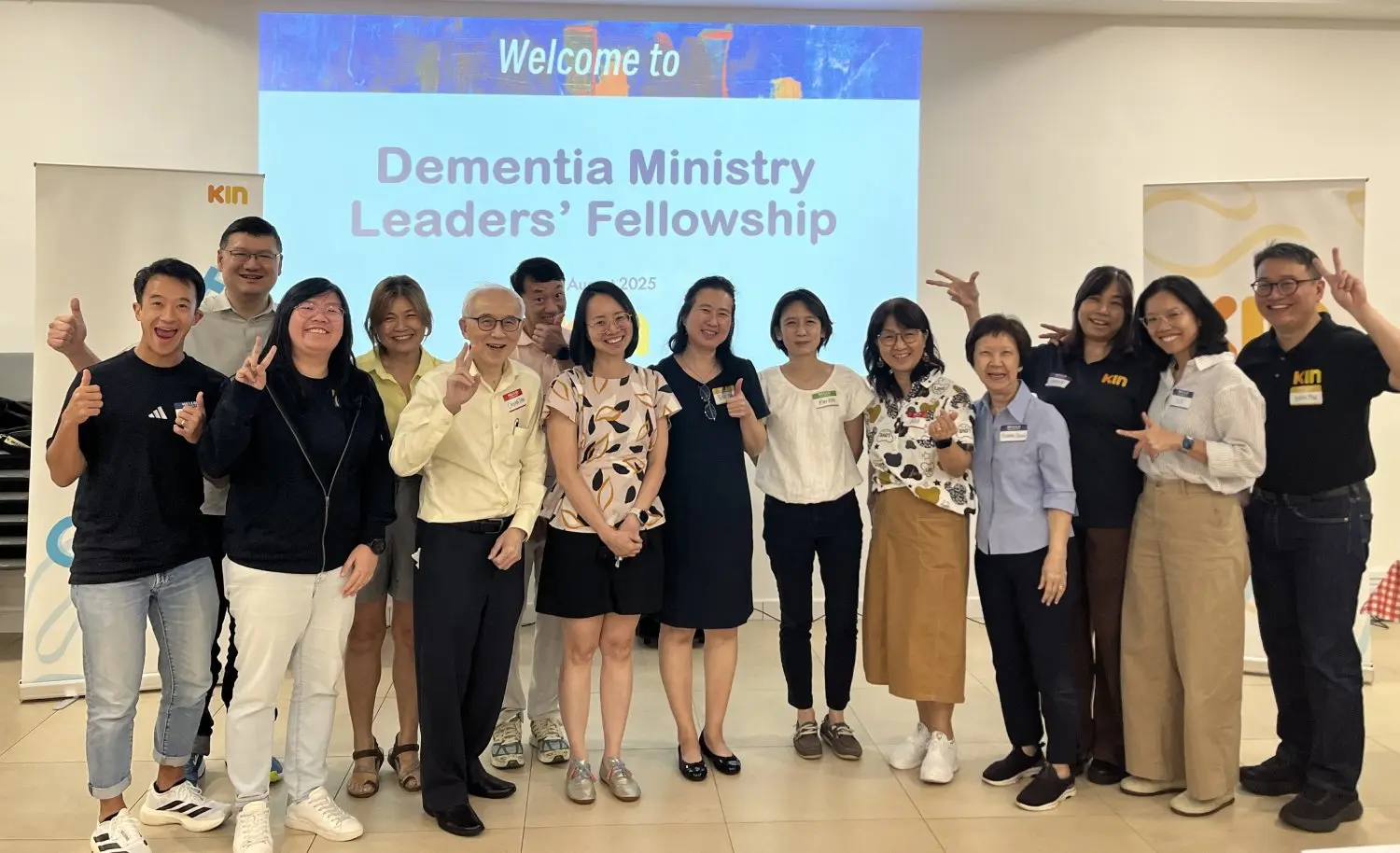
- Teach about it. Many excellent organisations in Singapore, such as Dementia Singapore and St Luke’s Eldercare, run workshops for churches. At KIN, we also offer two workshops: “Understanding Dementia” and “Ministering to People with Dementia”. These equip everyday Christians to love and serve people with dementia and their caregivers. The sessions strongly emphasise the spiritual dimensions of dementia care (typically unavailable in secular training providers).
2. Befriend people with dementia. Once we understand dementia better, we must put that knowledge into practice by being friends. This is very much needed since dementia often causes people to withdraw from community life.8 So, we must take concrete steps to “remember” them: (i) by remembering that they exist even when we don’t see them in church, and also (ii) by re-member-ing them, that is, by making a special effort to reintegrate them into our faith community.
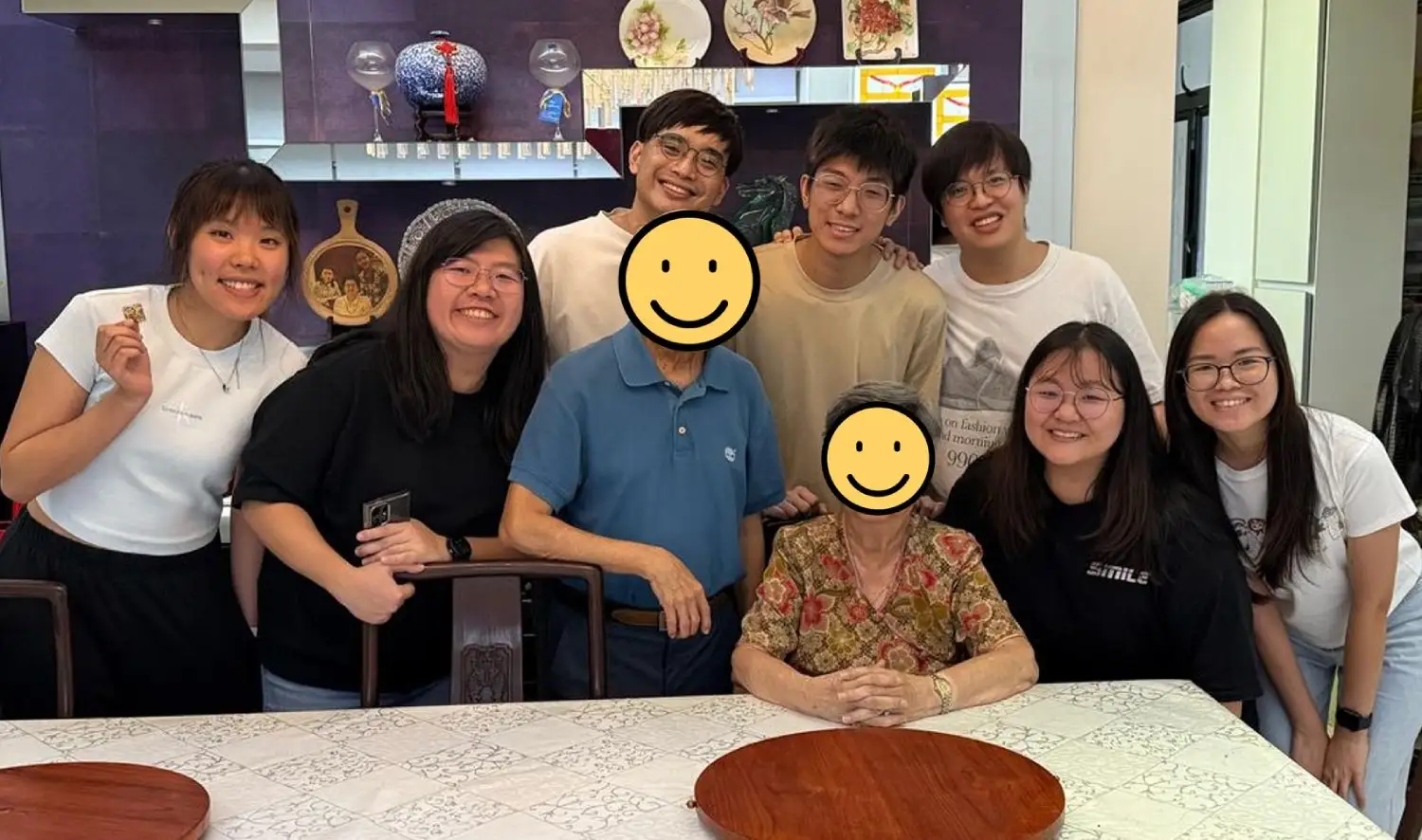
Befriending is easier when done together. This is why small group ministry is an excellent way to engage with people with dementia. A small group can choose to befriend a person with dementia and their family. In my church, Bethany Evangelical Free Church, one of our young adult small groups decided to do just that. They befriended an elderly couple where the wife has dementia. They spend time before Sunday service chatting with them and visiting them at home. Giving care in a group makes the process less intimidating and more sustainable.
3. Care for caregivers. Supporting caregivers is one of the most important things we can do. Many shoulder 24/7 responsibilities and often feel exhausted and forgotten. Such care can be as simple as extending a helping hand in practical matters, like running errands and doing grocery shopping. It could also include helping caregivers to access dementia support schemes and available community resources (especially for caregivers who have challenges using electronic devices and the Internet).
At an interpersonal level, we can also provide a listening ear to caregivers, so that they are known and heard. Sadly, caregivers can sometimes feel that caregiving takes over their whole life and they themselves are forgotten. Well-intentioned individuals unintentionally reinforce this, by only asking about the care recipient and forgetting to ask after the caregivers themselves. But caregivers need to be seen and heard too. When we patiently and lovingly listen to them, it can be a profound source of encouragement for them.
These three tips are just that—the tip of the iceberg of what churches can do to welcome people with dementia and their caregivers. Several churches in Singapore, like Barker Road Methodist Church, have gone further to establish formal dementia ministries. There is much we can learn from them. Still, every congregation can begin with small, intentional steps like those listed above to love our brothers and sisters with dementia and their caregivers. My prayer is that, as we do so, people will look at our communities and say: “See how they love one another! They must be disciples of Jesus!” (ref. John 13:35).