


God has given humanity the gift and mystery of life. From birth, life thrusts on us the need to survive, to overcome and mature, and to live meaningfully. Our separation from God because of the disobedience of Adam and Eve (Genesis 3) and what we have subsequently inherited complicates this challenge. Our fragile human nature is impacted by the relentless demands of living. Because of our fallen nature, it is an arduous quest to live effectively in a world that is often harsh and pernicious. We cannot avoid suffering in the process. As such, it is not helpful to view addictions primarily with judgement. Instead, it is more helpful to view addictions as an indication of how humans struggle to cope with the hardships of living with discomfort, pain or suffering. Understanding our frailty and our potential for health will also help us in our understanding of this subject.
The struggles associated with living are many. Sometimes, the source of our stress or struggle is predictable, e.g. preparing for exams, illness or physical injury, difficulty getting along with others or lack of finances. Sometimes, our struggles are a more complicated tangle of different sources of pain experienced at the same time, e.g. trying to overcome depression while living within an unhealthy family, living with the effects of parental neglect and abandonment as a child and now trying to parent one’s own children as an adult. Suffering also shows up when children are born with congenital defects, when unexpected accidents take the life of loved ones and natural disasters cause damage to property and personal injuries. Every disaster or hardship entails human suffering. So how do the sufferers cope?
What is an addiction?
Addictions are a dependency that reveals our deep emotional struggles with the difficult demands of living, demands that are often chronic. Addictions show up as a routine engagement in a series of behaviours, the most common being compulsive overeating, porn, sex, gaming and gambling, as well as substance-abuse, such as drugs or alcohol. Such activities are compulsively sought with the intention to bring relief to physical or emotional pain or discomfort, either by way of stimulant or arousal (e.g. a search for dopamine highs or endorphins) or to numb the pain or discomfort. There is reason for serious concern when the control it asserts over an individual’s life reveals the extent of the dependency, as when it creates damage in other areas of life, e.g. alcohol addiction leading to job termination, divorce or domestic violence.
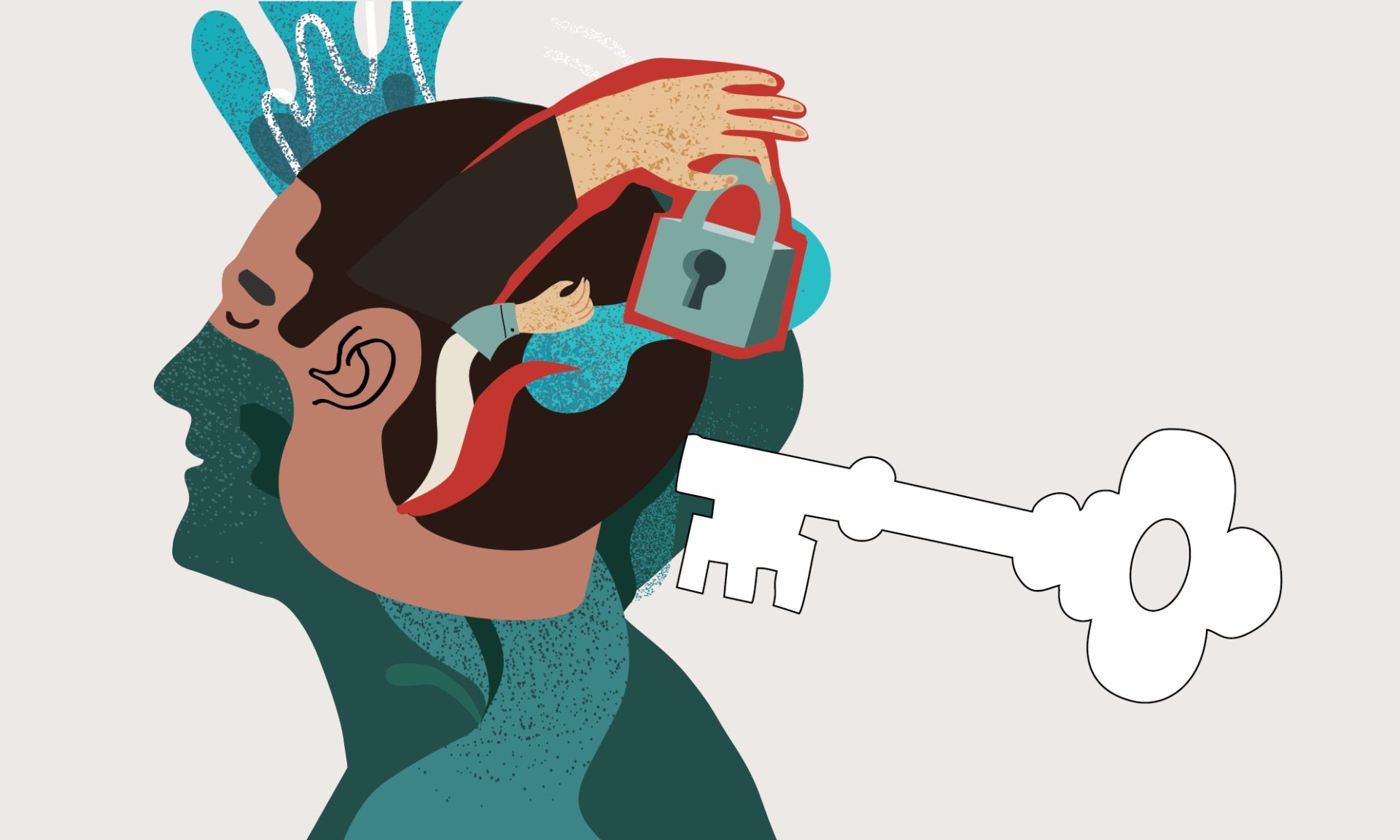
How do we keep our children safe from addictions?
The most important support for our children is prevention. We must recognise their vulnerability to addiction especially with today’s mesmerising digital tools.
The internet offers children ready access to stimulation, entertainment and an easy mental escape when life becomes difficult.
Excessive criticism, harsh discipline, neglect, bullying and abuse (physical, sexual, emotional) are all likely to cause hurt or emotional injury to a child. Given the prevalence of authoritarian and neglectful parenting in Singapore1, many children often feel overly controlled and criticised, or are left to fend for themselves while living under constant stress. Consequently, many feel neglected, bored, lonely, unloved, rejected, inadequate or defective, and suffer from depression, anxiety and stress.2 Under these pressures, many youths are searching to escape or seek companionship through internet gaming or entertainment, making them vulnerable to addiction.
With this understanding, we must help our children build buffers against addictions. Establishing close relationships with them with a focus on learning responsibility in their growing autonomy is essential to developing self-efficacy and, eventually, resilience. This requires spending time with them to nurture bonding and social development, along with setting limits to their screen engagement. With a close relationship, a child may inform their parents of unmet needs, threats or emotional difficulties. Children without safe or trusting relationships with their parents are less likely to turn to them for help.
What if a child has fallen into an addictive behaviour? When their addictive behaviour is serious—when the dependency persists despite the negative consequences, and impairs their academic, social and physical functioning (e.g. neglect of schoolwork, increased withdrawal from friends and family, inadequate sleep)—professional help should be considered quickly. Not addressing the addictive behaviour and the reasons behind it can cause a child to develop avoidance, or hide from the sources of their distress or discomfort. This avoidance is a dependency which can follow them into adulthood.
Helping a spouse who has an addiction
If one’s spouse is addicted, consider professional help quickly. Because of its disruptive and often pervasive hold on a person’s life over a period of years, the addict needs support and treatment. When treatment begins, recovery from addiction can be a roller-coaster ride.
Depending on the type of addiction, there may be a period of detox at the beginning of treatment. Because of what can be an unfolding battle for the addicted spouse, one must be prepared to be drawn into the battle as well. Actions to consider include:
- Seek professional help. An addiction is often entrenched, and recovery is unlikely to happen quickly or without resistance. It is difficult for both the addict and their spouse to tackle the problem by themselves alone.
- Learn everything you can about the addiction. Parts of the addict may be revealed that the spouse did not know of, as well as the extent of their attachment to the substance or behaviour.
- Be patient. The addict may have hidden their addiction for a long time. Very likely it was a huge challenge for them to address the original problem that led to dependency on maladaptive coping. Change can take a long time so patience is essential.
- Have empathy. Understand that the addict is struggling and suffering on at least two levels (the source of their original pain and subsequently being stuck in their choice of coping). The struggle through dependency and recovery must be walked out by the addict.
- Be determined. The journey towards healing can be arduous for everyone in the family. Determination is essential to stay the course to support the addict as they learn to wrest control back from their dependency.
- Being honest is essential. Honesty and transparency are needed to chart the journey forward and support a new, healthy recovery process, and avoid enabling the addict’s attempts to minimise their struggle.
- Don’t forget self-care. Find support, as caregiving during the addict’s recovery can take a toll on the spouse’s well-being. Having support is important to help carry their burden.
The addict’s journey towards healthy and effective living and godliness will be marked by great struggle. God loves us in our frailty and helps us find our way forward (Philippians 2:6-8). Jesus is the good Shepherd who sees us as his sheep (Matthew 9:36). The Holy Spirit is our helper (John 14:16). Christians and churches that heed the call to care for those struggling emotionally are engaged in ministry that is dear to the heart of God.