
“You have nothing to do but to save souls. Therefore spend and be spent in this work. And go always, not only to those who want you, but to those who want you most.”
Rule #11 was added at the Methodist Conference of 1745, appending John Wesley’s “Twelve Rules of a Helper”. Many of us often paraphrase #11 as, “you have one business on earth—to save souls”, perhaps to describe the Methodist movement in 18th century England as a soul-saving enterprise, replicable globally today.
As the revival broke out in Bristol and Kingswood (1739–1742), The Methodist movement entered the season of Field Preaching when Wesley was recruited by George Whitefield. Charles Wesley, the vital partner of the movement shared the leadership burden engaging heavily in field preaching, often facing violent mobs alongside his brother. Charles also provided crucial theological and spiritual direction through his hymnody, which was the primary teaching tool for the illiterate masses they were converting. Under Wesley’s administrative genius, the movement began building schools, dispensaries for the sick, and preaching houses with vibrant congregations, served by preachers (helpers) like Thomas Maxfield, John Nelson and Thomas Walsh. He even leased an abandoned cannon factory in London that was originally used to cast armament for King Charles and called it “The Foundry”, making it a hub for the movement, supporting the rapid growth of preachers—or as Wesley referred to—helpers.

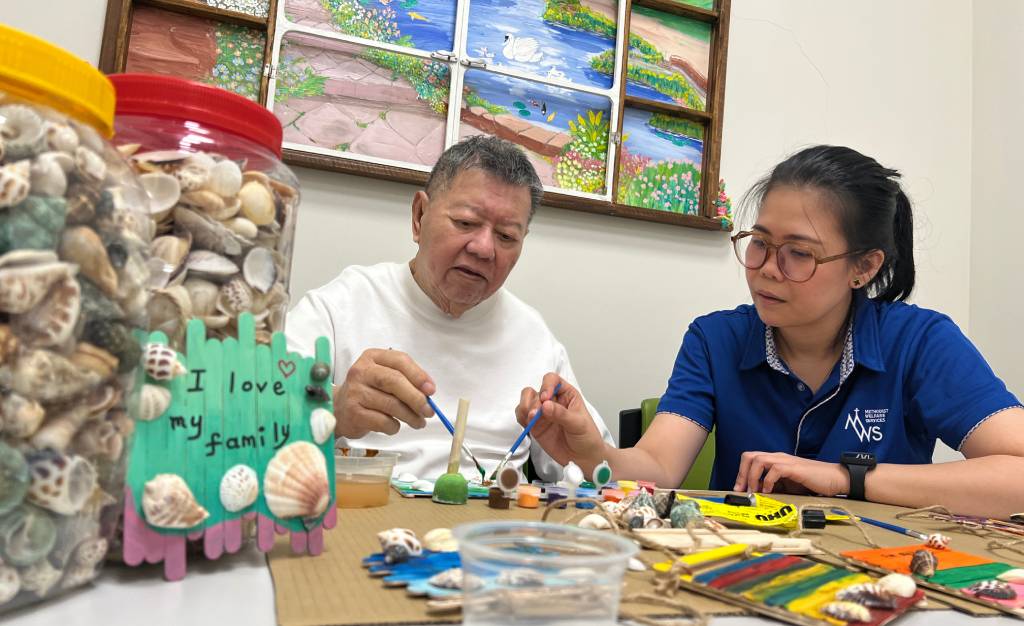
Across the diverse mission fields served by the Methodist Missions Society (MMS), there is a distinctively Wesleyan pattern to establishing indigenous churches. Much like the early Methodist “preaching houses”, these congregations begin by meeting practical needs. By initiating community outreach through education, healthcare and social enterprise, missionaries build vital relational bridges within unique cultural contexts.
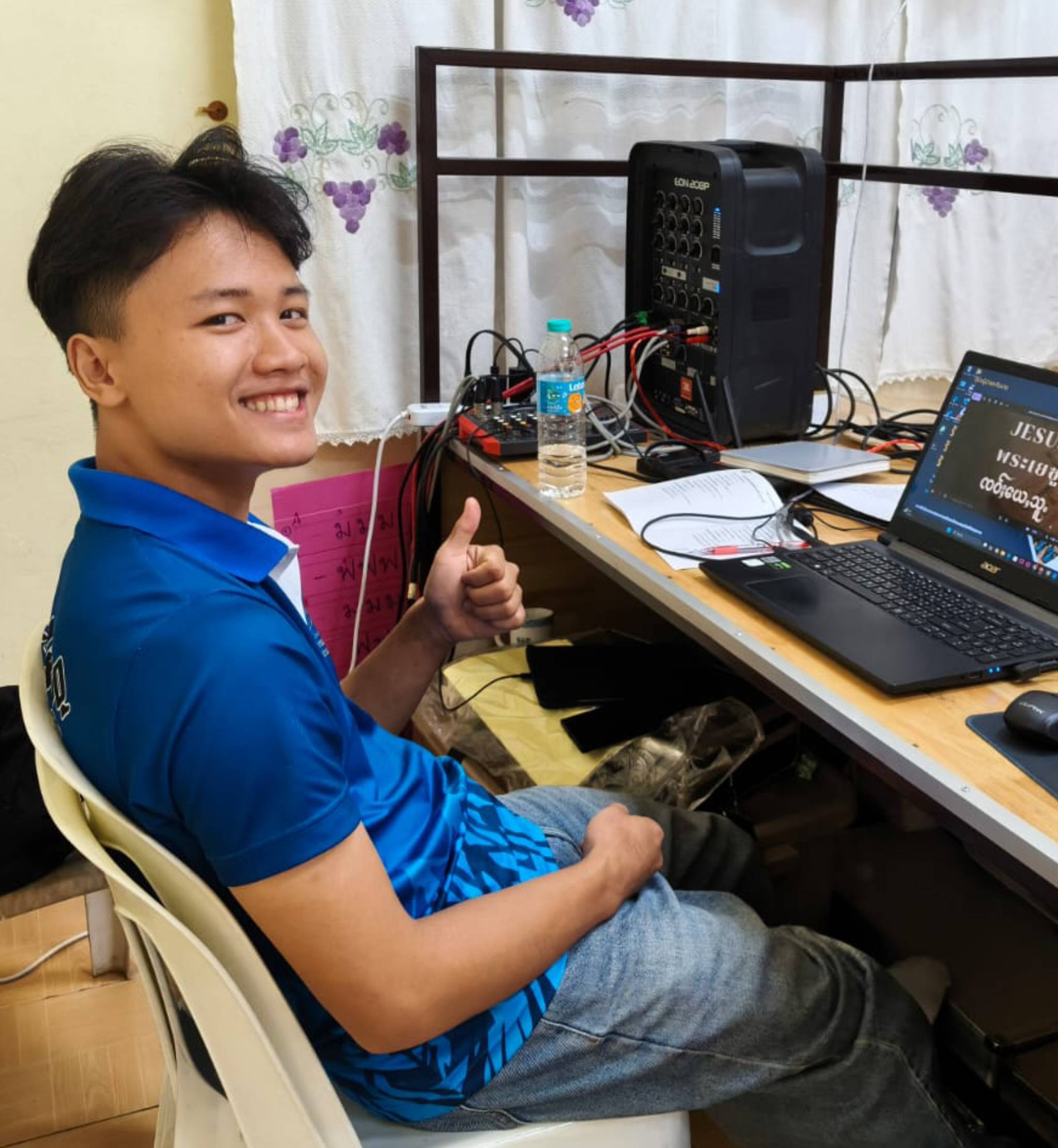
A prime example of this is the Term Fun Home in Northern Thailand, which serves as a springboard for evangelism and deeper spiritual work across Chiang Mai, Chiang Rai, and Mae Hong Son. For over a decade, the home has provided basic welfare to the marginalised while ensuring their souls are nurtured through the traditional means of grace: taking Holy Communion, fasting, attending public worship and reading Scripture. The fruit of this holistic endeavour is beautifully evident today. Term Fun Home’s outreach has birthed a vibrant local congregation, where former beneficiaries now worship, lead and serve. From administration to worship leading and disciple-making, they form the core of Mittaphab Methodist Church.
Term Fun Home’s outreach has birthed a vibrant local congregation, where former beneficiaries now worship, lead and serve. From administration to worship leading and disciple-making, they form the core of Mittaphab Methodist Church.
By God’s grace, many indigenous preachers, evangelists and pastors have connections to our community outreach initiatives have gone on to preaching the gospel despite cultural challenges and institutional opposition. It should go without saying, that when missional leaders and supporters generously invest in cross-border missions by way of community outreach and church planting, they are reaping returns by way of soul saving together with indigenous “helpers”, prioritising the business of saving souls.
On the flip side, Wesley was acutely aware that the logistical and administrative burdens of a rapidly growing movement could easily choke the spiritual fire of his preachers. To prevent his helpers from getting caught up in the management of the many good initiatives and missing the plot altogether, Wesley issued a strict warning to his helpers:
Be diligent. Never be unemployed. Never be triflingly employed.
To Wesley, a preacher spending hours balancing a society’s ledger or managing building projects was being diverted from the primary mandate of evangelism and, worse, forfeiting the opportunity to disciple society members in the soul-saving business. Furthermore, from the Holy Club days to “The Foundry”, Wesley consistently challenged every outward endeavour, looking “only to the power of his Spirit, and the merits of his Son. Beware you do not get stuck in the work itself; if you do, it is all lost labour. Nothing short of God can satisfy your soul.”
We are blessed to witness God bringing churches to birth through community outreach in the MMS mission fields. As these congregations (preaching points) mature into churches, they also develop connectional relationships with other Methodists in their own contexts. These in turn are connected to our churches through our Annual Conferences—bound together by our core business of saving souls. These connections would in turn support new Methodist-type movements where an increasing number of indigenous preachers, empowered by the Holy Spirit begin to multiply the soul-saving capacity in the MMS fields. Let us consider such Methodist movements as worthwhile mission partnerships to invest in, that we may share in the spiritual returns of the global soul-saving enterprise.
Rev Erick Tan is the Director of Missions Training and Development at Methodist Missions Society. / Photos courtesy of Methodist Missions Society