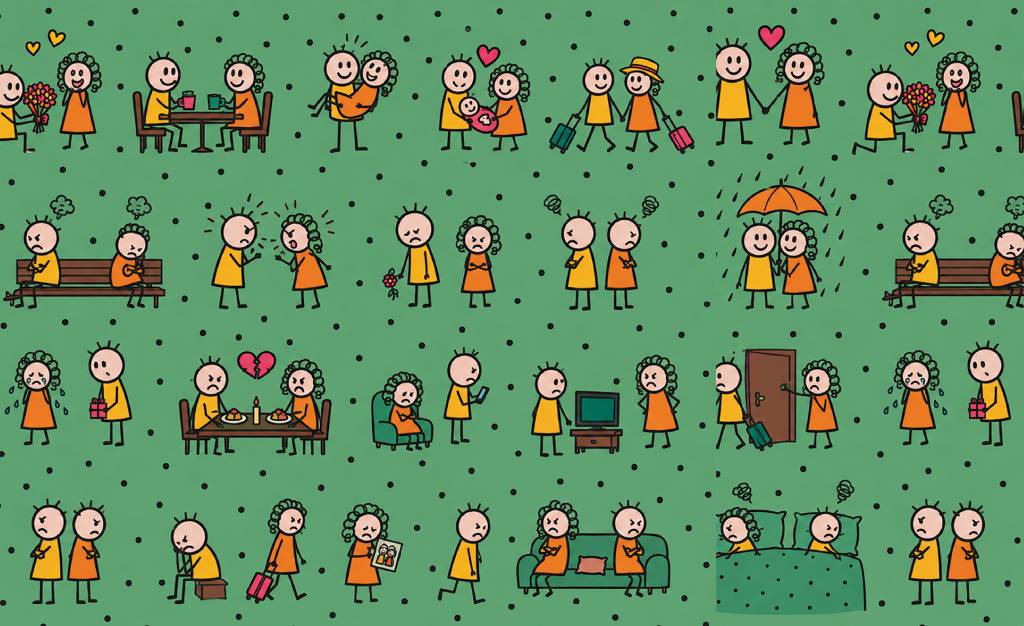
As a family therapist, I have worked for many years on conflicts among family members. Conflict involving spouses, the young or the elderly often draw society’s sympathy and support but disputes between siblings generally do not get enough attention. When siblings fight, they are often left to their own devices or in some rare cases, they turn to the courts. Unfortunately, sibling rivalry can be as intense, enduring and damaging for family unity.
One of my observations is that sibling conflicts often involve a third party. I am not referring to brothers fighting over the same woman, though it can happen, but how one or both parents treat their children. Special attention given to one child can lead to their siblings feeling hurt or jealous. A favoured male child in some traditional families is often referred to as the “favourite son” or “golden child”. His siblings, particularly sisters, are left feeling unvalued or worse, unloved.
One of my clients kept trying to win his father’s attention and favour even after forty years! He was always attentive to his father’s needs but received little appreciation as his father focused solely on what his favoured eldest son did. The lack of fatherly love contributed greatly to how poorly my client felt about himself. His self-loathing was in turn re-directed towards others in the form of uncontrolled rage.
So a piece of advice I offer to parents if they want family harmony is to avoid favouritism. This may be easier said than done as no two children are alike and our capacity to love, accept or even tolerate their differences can at times be tested. But even if we cannot be fair and love them equally, avoid being unfair or unkind. Do not openly say, “Why can’t you be more like your brother/sister?” Love each one for who they are. As for their unique differences, practise patience and ask God for the capacity to love.
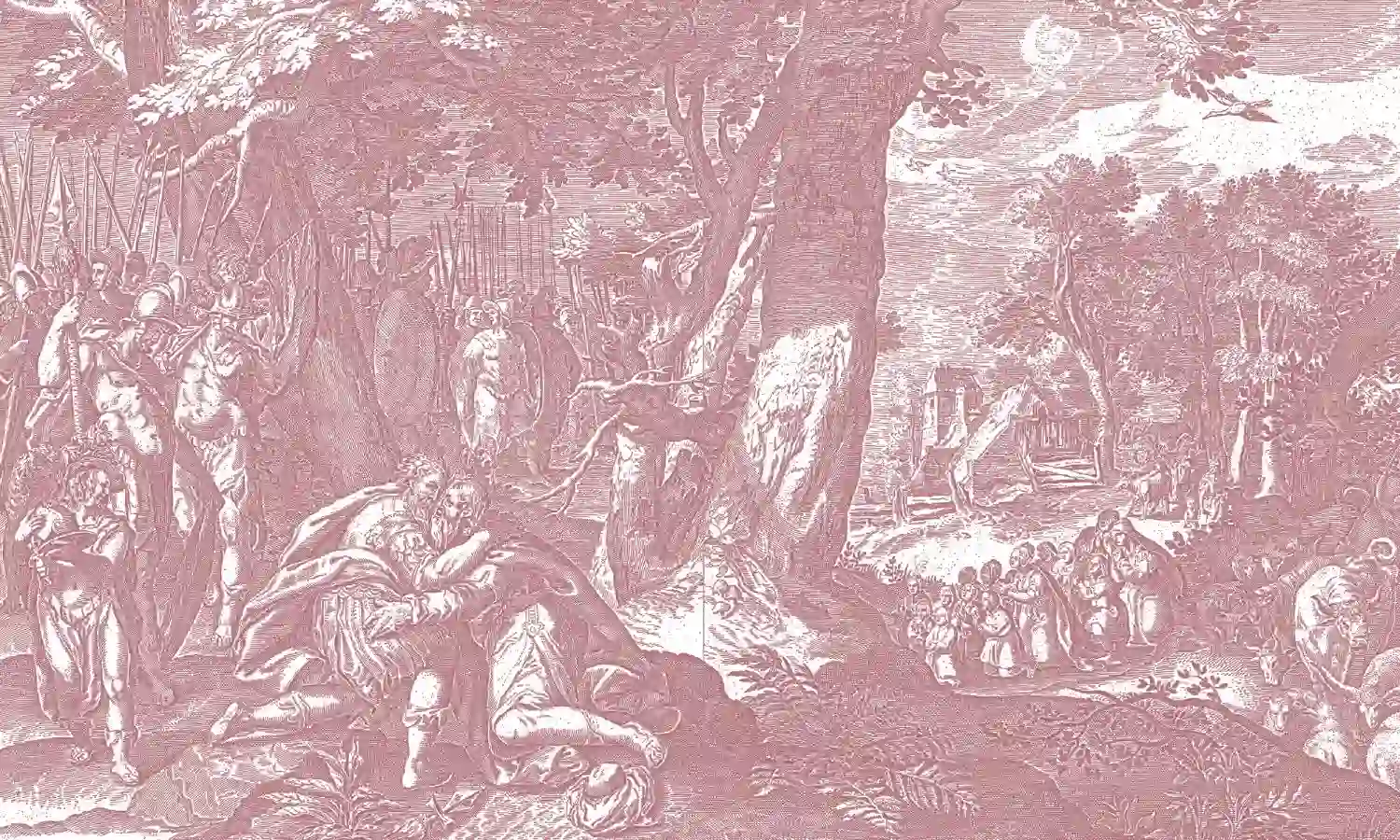
For those who are in conflict with a sibling, the way Jacob of the Old Testament made peace with his elder brother Esau (Genesis 32) gives some food for thought. The conflict between the twin brothers deepened when Jacob tricked their father into blessing him instead of Esau. Because of his deception, Jacob fled and stayed away 20 years before returning home and seeking Esau’s forgiveness.
One often forgotten but necessary starting point for any reconciliation is recognising, as Jacob did, wrongdoings and the need for forgiveness.
One often forgotten but necessary starting point for any reconciliation is recognising, as Jacob did, wrongdoings and the need for forgiveness. Jacob also did not presume that just because he was asking for mercy, he would receive it without question. In fact, when he learnt that Esau was coming to meet him halfway with a posse of 400 men, Jacob assumed the worst. He divided his family and possessions into two parties so that if one was attacked, the other might escape.
Jacob not only asked for forgiveness but tried to make restitution for his wrongdoing. This is not always possible as one cannot put a price to the hurt inflicted on another. But Jacob was determined to do so and even when his brother refused his offer, he persisted.
Finally, Esau might have observed that his brother Jacob, the scoundrel who had cheated him, was not the same man. Jacob was literally a broken man (as evidenced by his walking with a distinct limp). Jacob was also a new man with a new name and God-given identity.
So every time we want to be forgiven, whether by siblings or others, we need to ask ourselves: How much do we acknowledge our wrongdoing? How ready are we to admit it to the other and to offer restitution? How prepared are we to accept whatever the other’s response may be? In so doing, the work of reconciliation has already begun: with God, with ourselves and then the party we have hurt.
Benny Bong has over 40 years of experience as a therapist, counsellor and trainer. He also conducts regular talks and webinars. Benny has helmed the You & Your Family column for more than 20 years and is a member of Kampong Kapor Methodist Church.