
With one in five Singaporeans aged 65 and above in 20261, it is no surprise that the Church in Singapore is ageing. Although this brings about more challenges, it also signals opportunities for seniors’ ministries and intergenerational programmes. One such programme, organised by the Research, Innovation & Training Academy (RITA) team of Methodist Welfare Services (MWS), uses the gospel-reminiscence model where group reminiscence sessions create a supportive environment for sharing memories and experiences. Through reminiscence activities, the faith of seniors is strengthened as they rejoice and celebrate God’s presence in their lives. For caregivers, the impact is profound as they see their loved ones—who may suffer from cognitive decline—respond. Most of all, the model is a way the elderly can pass on their “memorial stones” to the next generation. Read on to see how this tool was used at a recent Reminiscence and Spirituality Training session.
Remember the days of old;
consider the years of many generations;
ask your father, and he will show you,
your elders, and they will tell you.
~ Deuteronomy 32:7
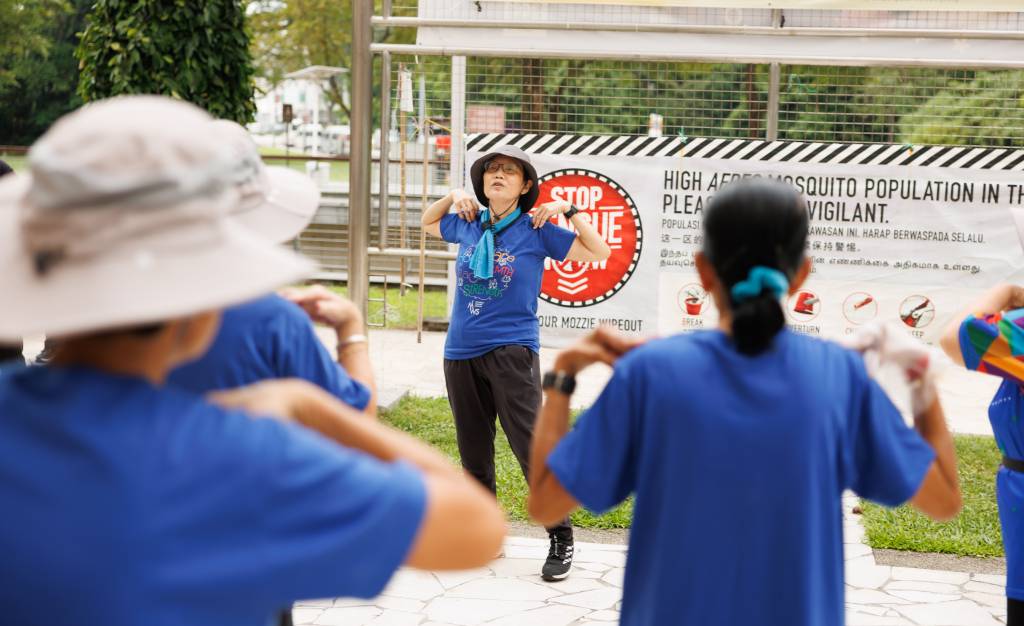
The worship hall was abuzz with excitement as 57 participants from 17 churches and three social service agencies gathered for Reminiscence and Spirituality Training (REST) on 22-23 May 2025.
The training was organised by the Research, Innovation & Training Academy (RITA) team from Methodist Welfare Services (MWS) and supported by TRAC Board of Seniors Ministry. This is the second run of REST conducted at Faith Methodist Church, who has been a generous venue sponsor since the inaugural run in 2024.
Trainers Pat, Arthur and Karen, from Reminisce Connect, brought the training to life with their engaging use of vintage artefacts and role play that demonstrated how reminiscing can be used both to engage church seniors and as an evangelistic tool for pre-believers. Pat had been very encouraged by the vibrant energy and passion of the participants in the first run and hoped that more church volunteers could use reminiscence as an effective tool to transmit God’s love and hope.
This experiential learning is backed by evidence that reminiscence activities promote healthy cognitive ageing through meaningful conversations and recollections. The person-centric approach lifts mood and energy levels by affirming self-worth and identity through mutual exchange of human compassion and love. Increasingly, reminiscence activities have also been an effective intergenerational communication tool that allows both the young and old to connect over past life experiences and apply the gleaned wisdom to enrich the present.
Experiential learning
Bryan Lee, who is involved in volunteer management, found the training especially helpful for his outreach to seniors, particularly those who are socially isolated. “Oftentimes, Gen Zs like me have difficulty connecting with seniors beyond the surface level,” he said. “With this training, I understand better how to get to know the seniors’ history, likes and dislikes.”
Michael Chung from Christ Methodist Church, an active participant in his church’s outreach to seniors, added, “This has opened my mind to understanding the power of the reminiscence process. Not only did it help me recall my own memories, I can also see how useful it can be for reaching out to seniors. Often, when I talk to them, they just share their memories freely! I hope to be able to connect what they share with the gospel and spiritual truth.”
Laughter and delight filled the room as Theresa Ng from Wesley Methodist Church enacted a cooking session while wielding a spatula and recounting how a family recipe with the right ingredients is the perfect dish in life. The trainers then skilfully latched onto this enactment to demonstrate how cognitive stimulation that engaged the five senses—sight, sound, smell, taste and touch—can promote mindfulness, sharpen focus and mitigate memory loss. Such brain exercises spark plenty of joy and goodwill when the past comes alive through the seniors’ lived experiences. Ai Li from Barker Road Methodist Church and her team were equally creative and tapped on the theme of festivities to design a reminiscence activity based on making bak zhang or rice dumplings. By retelling the legend of patriotic Qu Yuan, the team then wove in the gospel message that God is our hope and strength.

Applying new knowledge at work and at home
With this newly acquired skillset, Julian Suresh, an administrative manager, plans to customise reminiscence-based sessions to better foster connections and shared experiences among the senior residents in the Welfare Home where he works.
Zoe Ang, a staff at Ang Mo Kio Methodist Church, hopes to impart the knowledge to her younger colleagues so that they can better engage with the shut-in seniors in the church. She quipped, “Personally, I’ll change the way I talk to my husband, a young senior!”
For caregiver Jillian Lee whose father lives with dementia, she learnt that reminiscence could be a way to communicate the gospel, and that there can be expressions of emotions like joy amidst sadness even when a loved one has cognitive decline.
MWS will provide the participants with practicum opportunities at its Senior Care Centre and Active Ageing Centres to hone good practices and share in a community of learners.
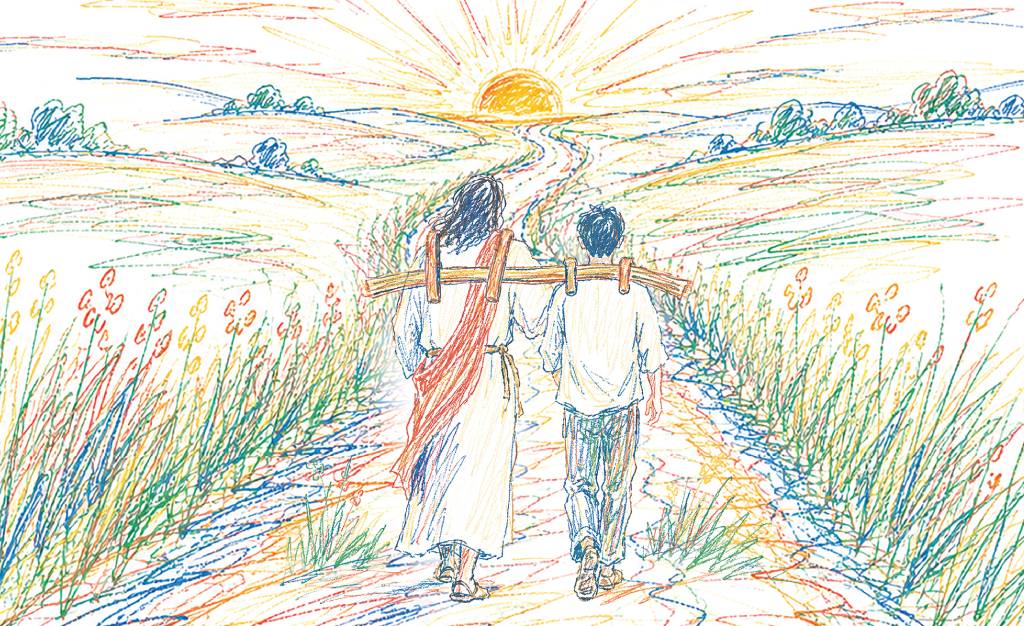
By interweaving spirituality with reminiscence, meaningful relationships can be forged across the generations. These experiences deepen faith and spur Christians to reach out to seniors with empathy, respect and love. Truly, the way to future-proof the ageing Church is to remember God’s covenant with us. For he has promised that he will never forsake us, that “even to your old age I am he, and to grey hairs I will carry you. I have made, and I will bear; I will carry and will save (Isaiah 46:4)”.
By Research, Innovation & Training Academy (RITA) – Methodist Welfare Services. / Photos courtesy of RITA
1 https://saltandlight.sg/news/the-church-in-singapore-is-ageing-how-will-we-respond-state-of-the-church-study-2024/