Peace be with you.
And also with you.
It is a greeting we hear every week in worship. So familiar that it can easily become routine.
And yet, in that simple exchange, something profound is taking place.
The peace we share is not our own. It is the peace of Christ—given, received and entrusted to us.
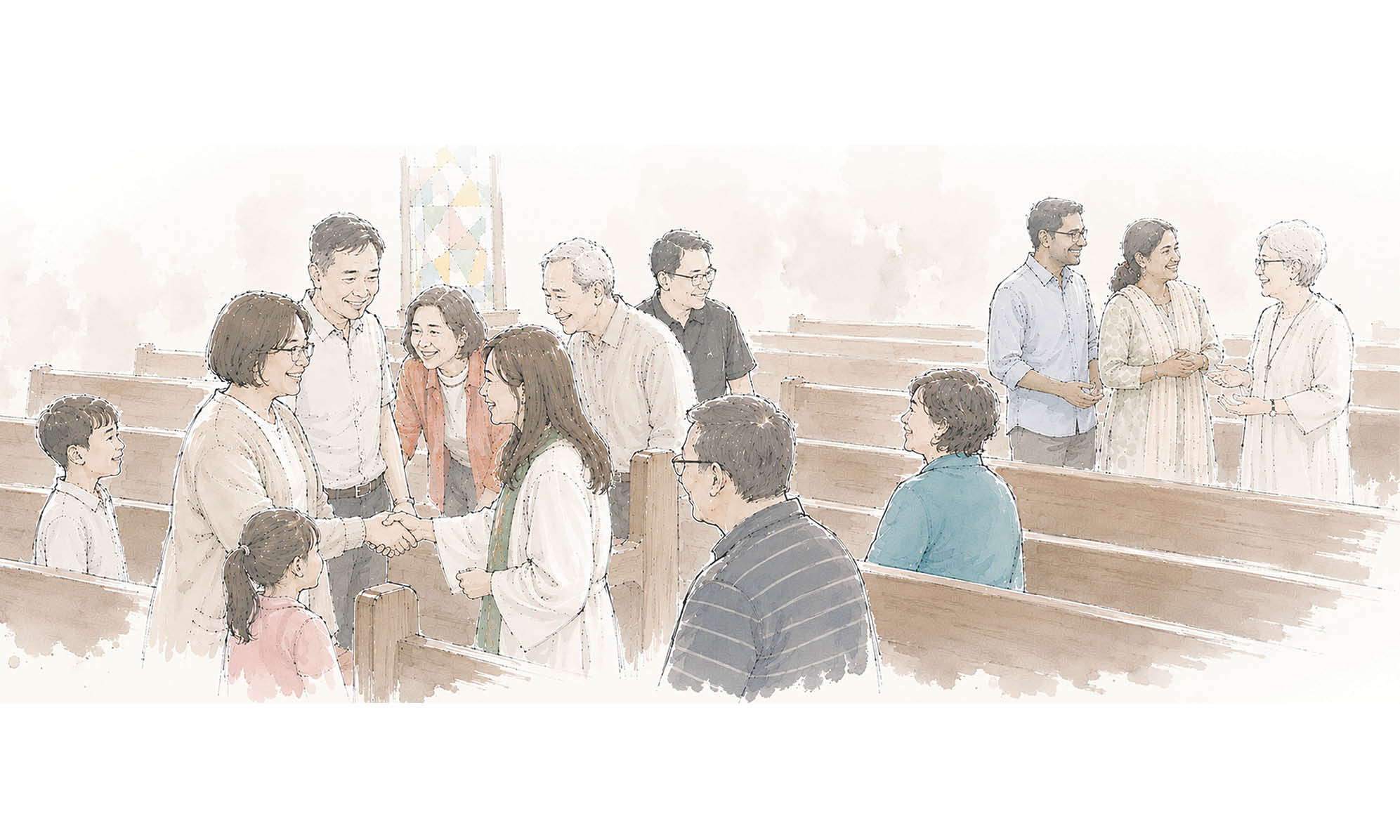
How comfortable are you when it is time to stand and we hear the words, “Please pass the peace of Christ.” Are you one of those that make an effort to exchange greetings with as many worshippers as possible in that short space of time. Or do you feel a sense of dread?
What if there is an unfamiliar face next to you? Or is someone who has hurt us, or whom we have hurt, sitting right behind? What do we do at that moment?
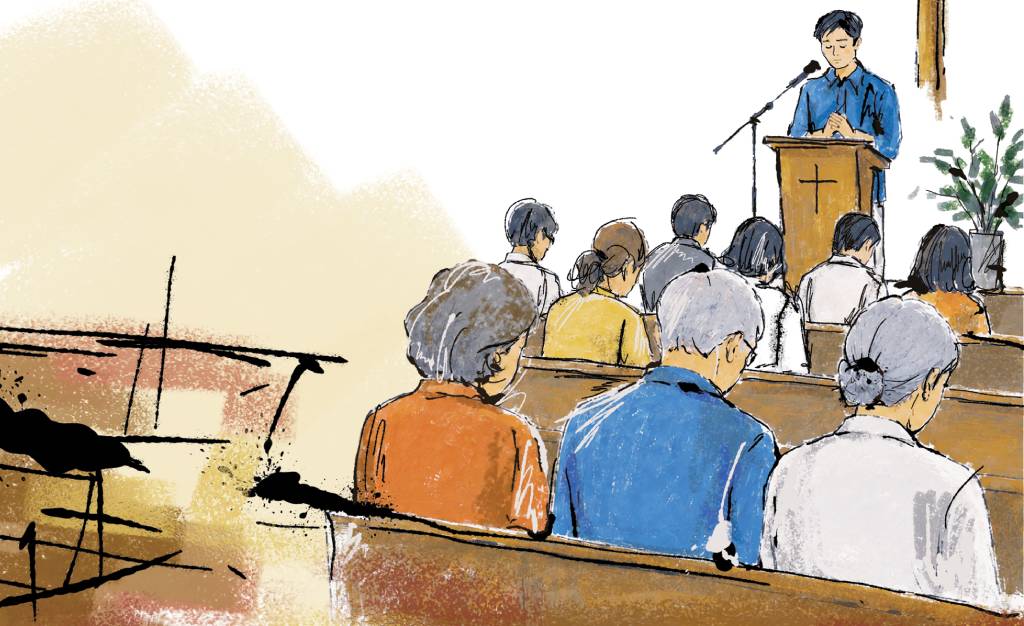
The deeper question is this: what posture of heart do we carry as we enter the worship space? Do we come out of obligation, thinking “I must go to church”? Do we come seeking God’s mercy and grace? Or do we come, quietly aware that we cannot make it on our own or find the strength to face another week because we depend on God’s grace to keep us going?
It is here, in the worship space, that passing the peace of Christ becomes an act of grace upon grace—God’s grace given to us, and the grace we extend to one another.
And this grace does not end at the walls of the church. It carries into the week, as we learn to become peacemakers in every space we inhabit, at home, in the workplace and in the public spaces of daily life.
What is shared in worship becomes what is lived in the world. What kind of posture does this require of us?
Humility.
To share the peace of Christ is to lay down our pride and our tendency to judge. It is to open our hearts—to God, and to one another—and to grow into a spirit of openness and a willingness to embrace others.
This is not easy. And that is precisely why we need worship.
In the worship space, we sing, we pray, we listen. And here lies the quiet responsibility of pastors, worship leaders and all who shape the liturgy week after week. The words we choose, whether spoken, sung or prayed, are not casual. They are placed on the lips of the congregation, held, reflected upon and slowly, they begin to form us.
The words we choose, whether spoken, sung or prayed, are not casual. They are placed on the lips of the congregation, held, reflected upon and slowly, they begin to form us.
What we rehearse in worship, we practise in life.
And the world does not wait long to test it.
Monday comes. A colleague says something sharp. A family member withdraws. A conversation we have been avoiding can no longer be avoided. And in that moment, we discover whether the peace we passed on Sunday has taken root, or whether it was simply words exchanged between pews.
This is why we keep returning. Not because we have mastered it. But because we have not.
Week after week, we speak the peace. We pass it. We carry it—imperfectly, haltingly—out into the week. And slowly, over time, perhaps without noticing, it begins to form us into the people we are meant to become.
Peace be with you.
And also with you.