It was my first time volunteering at an MWS nursing home. After a brief orientation, I was paired with the chaplain to visit residents who rarely had visitors.
A lady, Nancy (not her real name), lay curled up in the hospital bed, staring blankly into space. We approached quietly and gently held her hands. I sensed some tension. She was a victim of dementia; no longer able to walk or talk, she seemed merely a shell of her former self.
I was at a loss, but the chaplain was undeterred. She greeted Nancy warmly and spoke many loving words to her. The chaplain then took out her phone and played a few old hymns. I decided to join in by singing along. Then something amazing happened. As we sang, Nancy’s hands started to relax in ours, and she looked very intently at us. She started communicating—not with words, but through her body and her eyes. In that moment, I felt I connected with her through my voice and a hymn that was familiar to both of us.
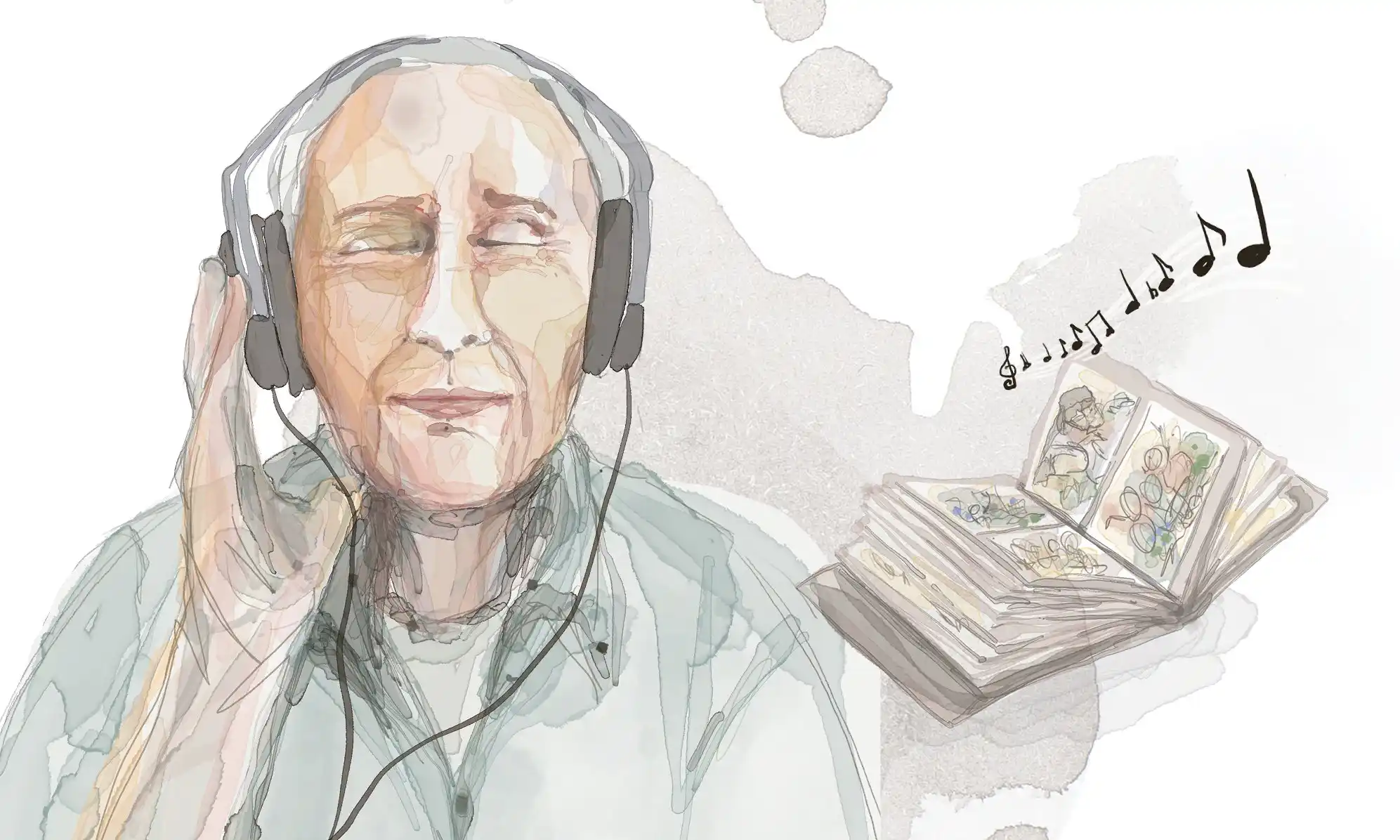
My encounter is not unique. In fact, scientific research has found that music can powerfully impact those with dementia by reducing anxiety and depression, promoting cognition, speech and memory and reducing the need for antipsychotic drugs. Personally meaningful music, which stirs emotions or memories within the listener, is particularly powerful.1
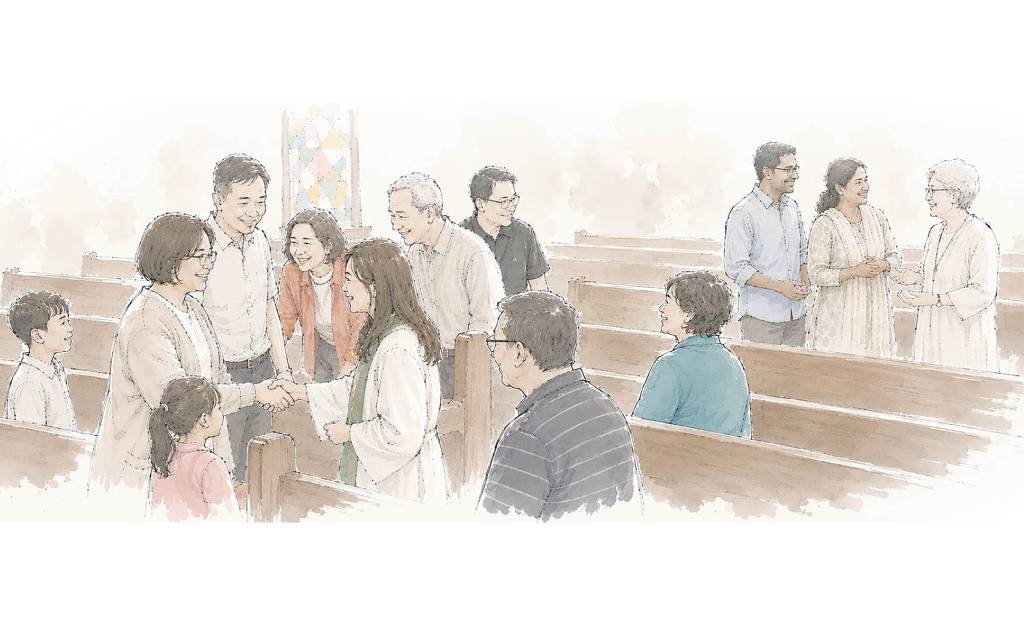
Given the power of music in ministering to this group, perhaps churches could reflect on the following questions:
- How can older hymns and songs help affirm the spiritual identities of persons with dementia as children of God?
- Stylistic preferences aside, how can worship teams and congregations revisit and embrace older hymns and songs for the sake of our seniors?
- How can caregivers be equipped to connect with individuals in the final stages of the disease?
A good first step to take might be to initiate a conversation with the seniors themselves. What kind of music is personally meaningful to them? Taking a trip down memory lane can evoke many stories and songs, as well as spark deep conversations about life.
For a start, consider using “Conversation Starters”2, a list of prompting questions designed by Playlist for Life UK that could help seniors develop a “soundtrack” of their life. One could also consider asking questions that help piece together one’s spirituality as represented by personally meaningful hymns and songs. For example:
- What hymns, choruses or spiritual songs do you remember from childhood or your earliest church experiences?
- Was there a song that marked a spiritual turning point in your life?
- Which songs brought comfort in times of grief, illness or doubt?
And more importantly, keep singing and listening to the music you love, especially those that have played a big part in your spiritual formation.
Amelia Leo is the Acting Head of Community Music and the Methodist School of Music. She is a member of Fairfield Methodist Church. / Illustrations by Minnow’s Mum
1 https://www.playlistforlife.org.uk/science/
2 A free copy is available here: https://www.playlistforlife.org.uk/wp-content/uploads/2024/12/Conversation-Starters-July-2020_Greyscale.pdf