“Let us take a moment of silence and prepare our hearts for worship.”
The worship leader offers this familiar invitation before the service begins.
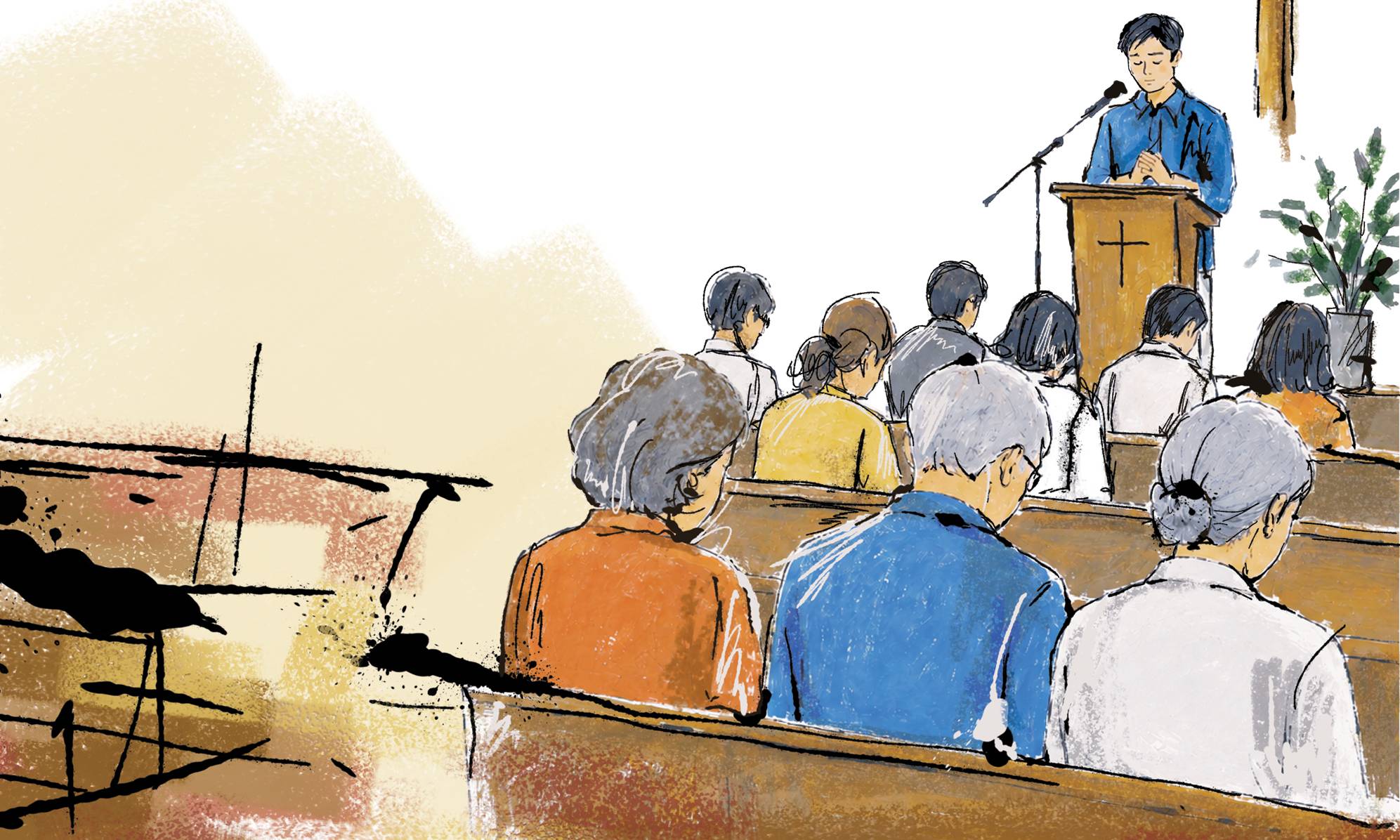
The congregation then enters into twenty seconds of complete silence. No one speaks. No music is heard. Together, the people wait quietly before God.
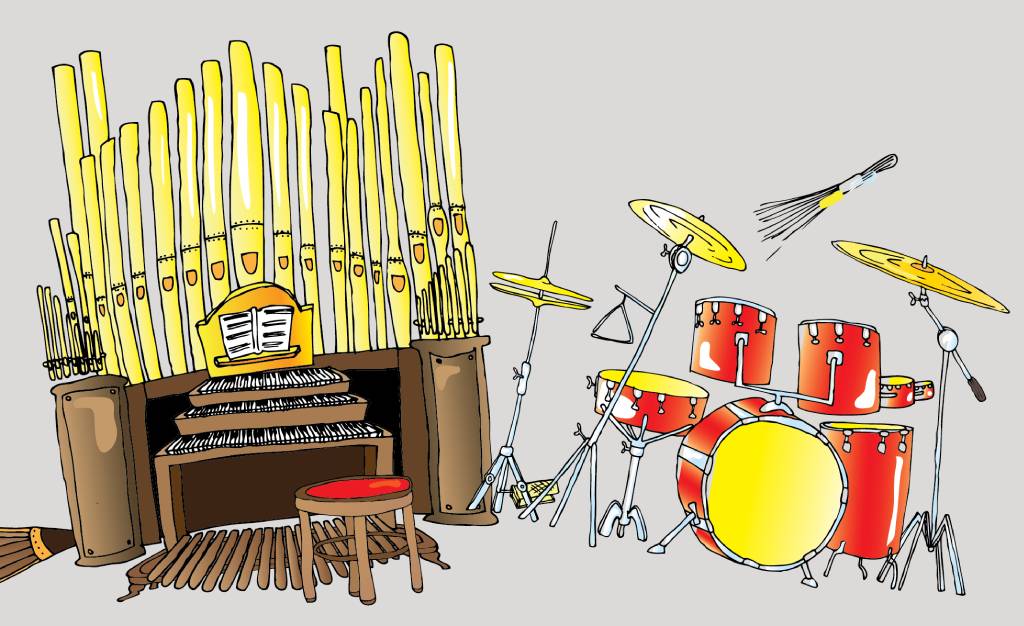
Whether worship is accompanied by pipe organ or praise band, choir or worship team, silence belongs equally to the gathered people of God, for silence itself is an act of worship. Every congregation needs moments in which God’s people cease speaking, cease singing and simply become attentive to the presence of God.
Yet in a culture that values constant activity and uninterrupted sound, silence can feel awkward or unnecessary. Why, then, does the Church intentionally make room for silence within its worship?
Whether worship is accompanied by pipe organ or praise band, choir or worship team, silence belongs equally to the gathered people of God, for silence itself is an act of worship. Every congregation needs moments in which God’s people cease speaking, cease singing and simply become attentive to the presence of God.
The Christian tradition has long understood silence to be more than the absence of sound. As Pope Francis reminds us, “Among the ritual acts that belong to the whole assembly, silence occupies a place of absolute importance.” Silence is not an interruption to worship; it is part of the liturgical action itself.
The psalmist’s invitation, “Be still, and know that I am God” (Psalm 46:10), reminds us that silence is not empty waiting but a posture of trust before the living God. In stillness we become attentive to God’s presence, receptive to God’s Word and open to the quiet work of the Holy Spirit among us.
As liturgical theologian Don Saliers argues in Worship Come To Its Senses, worship engages the whole person. In silence, the senses are awakened. Silence allows what has been seen, heard, sung and prayed to be received as one act of worship. Rather than preparing for the next activity, the congregation is quietly formed by what it has already experienced.
In a culture that often fills every moment with words, music or activity, intentional silence reminds us that not every encounter with God needs to be explained. Sometimes the most faithful response is simply to be still and allow the Holy Spirit to continue his work within us.
Silence throughout the service
Silence is not confined to the opening moments of worship. Throughout the liturgy, the Church returns to silence at significant moments, allowing God’s presence to shape its actions and responses.
During the Passing of the Peace, some congregations exchange the words, “The peace of Christ be with you.” In others, simple handshake or a nod can communicate welcome, reconciliation and the peace of Christ more profoundly than words. The liturgy reminds us that not everything needs to be spoken.
In worship, silence and gesture often work together. One prepares us to hear God’s voice; the other enables us to become visible signs of Christ’s peace to one another.
For some, quietness may feel uncomfortable. Our minds are accustomed to moving from one activity to the next. Yet the Word of God deserves more than an immediate transition. Before we move on to the next act of worship, silence gives space for the Holy Spirit to impress God’s Word upon our hearts.
For some, quietness may feel uncomfortable. Our minds are accustomed to moving from one activity to the next. Yet the Word of God deserves more than an immediate transition. Before we move on to the next act of worship, silence gives space for the Holy Spirit to impress God’s Word upon our hearts.
In these moments, minds and hearts quietly begin making connections between Scripture, song, prayer and life. The silence allows God’s Word to settle deeply so that our response is offered with our whole being. The silence is intentional. Over time, as the congregation comes to recognise this rhythm, the silence no longer feels awkward. It becomes an expected and cherished part of the liturgy—a space in which God’s people learn not only to hear the Word, but also to receive it.
Learning the rhythm of silence
There is no prescribed duration for the silence. A silence that is too brief may pass almost unnoticed; one that is too long may become a distraction. The length of the silence should therefore serve its liturgical purpose.
Silence should neither be rushed nor prolonged for its own sake, but should create space for the congregation to listen, receive and respond to God. Through repeated participation, the congregation learns when to listen, when to speak, when to sing, when to pray and when simply to be still before God.
In the absence of words, worship becomes paradoxically fuller. Our senses remain attentive, our memories awaken and our hearts become receptive to God’s presence. Worship is not only something we say or sing. It is something we perceive, receive and inhabit with our whole selves.
One day, perhaps there will be no need to say, “Let us take a moment of silence and prepare our hearts for worship,” because God’s people will already have entered the worship space quietly, having begun their worship in silence.