Methodist Message has told the stories of The Methodist Church in Singapore for 135 years—stories of people and churches, mission and ministry, struggles and celebrations. These stories have themselves been shaped by the Big Story—the story of God and God’s saving work in Jesus Christ, preached, taught, sung, prayed and lived by generations of Christians. It has inspired acts of service and mission, formed generations of Methodists, and given meaning to the Church’s witness.
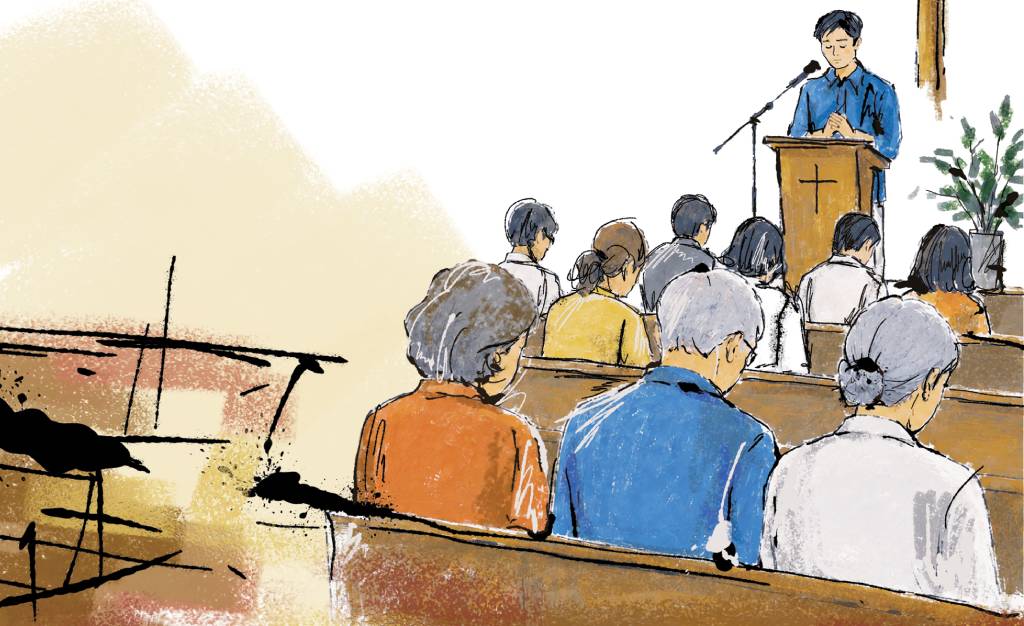
Likewise, another place where the Church continually tells the Story is in our worship services. We read it in Scripture, proclaim it in preaching, sing it in hymns and songs. We encounter it at the font and around the Lord’s Table, and embody it in the way we gather, welcome, lament, celebrate and are sent into the world.
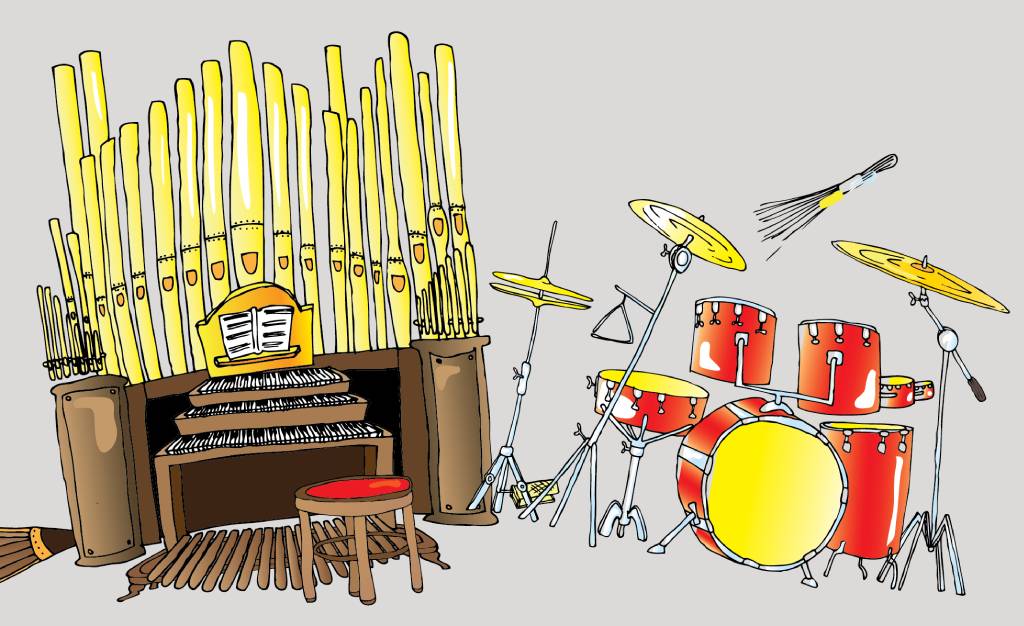
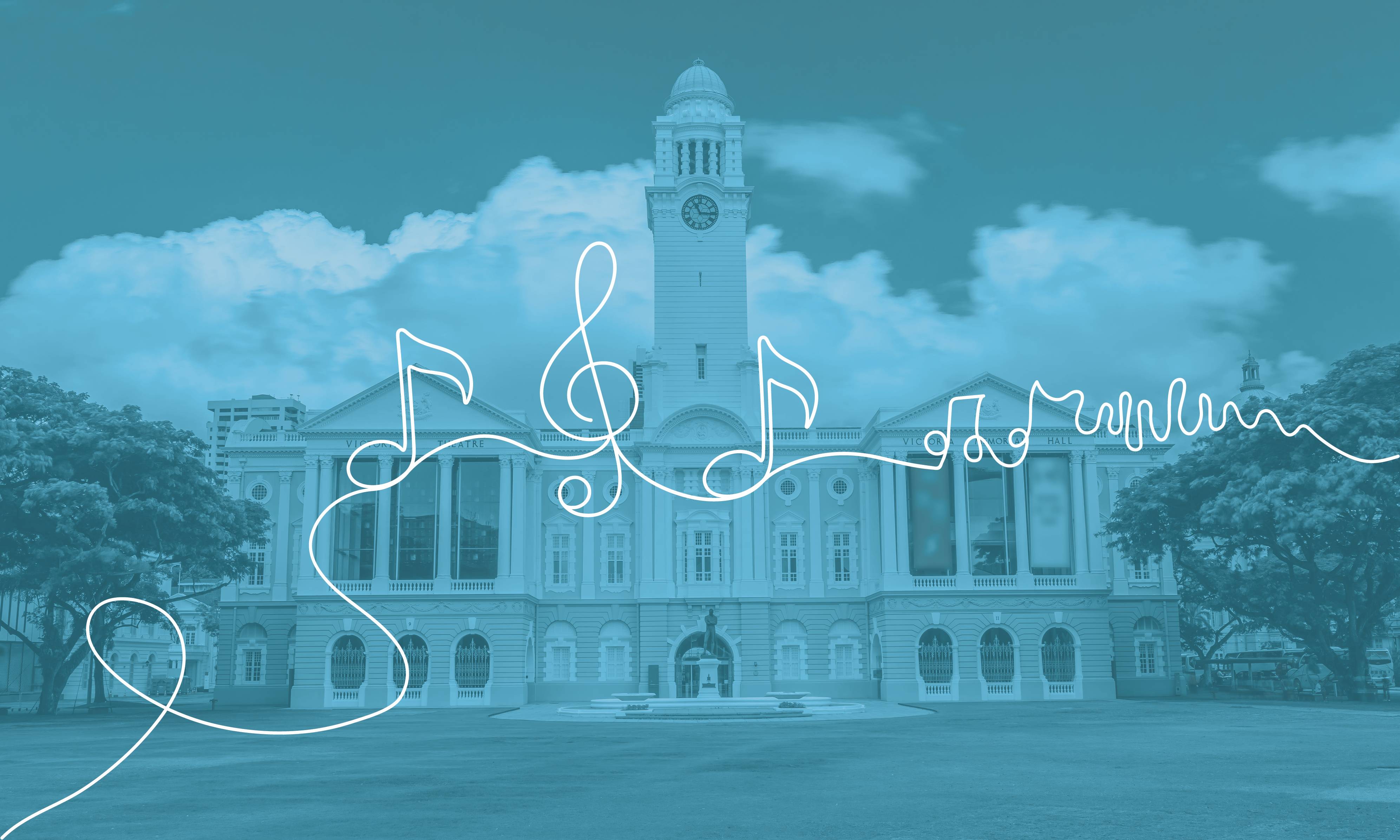
Today, we worship in different languages and with different musical expressions. Those who gathered for the first Methodist service in Singapore at the Town Hall (now Victoria Theatre) on 8 February 1885 would not recognise a service where organs, pianos, choirs and hymnals now share the landscape with guitars, keyboards, worship teams and projected lyrics.
How did we evolve to this point? History matters in discerning our worship practices—knowing where our practices come from helps us understand not only what we do, but why we do it. But history alone can calcify into habit; creativity is what keeps worship alive in its own moment.
What have we kept, adapted, or left behind? What have we created? Every generation must find faithful ways of narrating the Story within its own context, holding what it has received alongside what it must discover for itself.
Every generation must find faithful ways of narrating the Story within its own context, holding what it has received alongside what it must discover for itself.
Our context continues to change. Churches are turning their attention to intergenerational and inclusive worship. How might children, young people, adults, seniors and persons with special needs worship together—all participating and contributing their gifts? Questions also arise about the songs we sing. While some long to revive hymn singing, others explore how hymns might be retuned for a new generation. Live-streaming and the use of artificial intelligence in preparing prayers or music raise further questions about participation, theological integrity and the embodied nature of worship. How might the Church respond creatively while narrating the Story faithfully?
And perhaps most importantly: How did the Story they proclaimed shape the people? When future Methodists ask what we sang and how we prayed, the answer will not be found only in archived service sheets, hymnals or projected lyrics on a screen. It will be seen in the kind of Church we became.
The Story continues. Each generation receives it, sings it, lives it and hands it on.