The songs we sing in worship have become the subject of many conversations in recent years. Discussions about hymns, contemporary worship songs, global songs, and local compositions often raise questions about theology, musical style and generational preferences. These conversations matter. But I wonder if we have been fighting the wrong war.
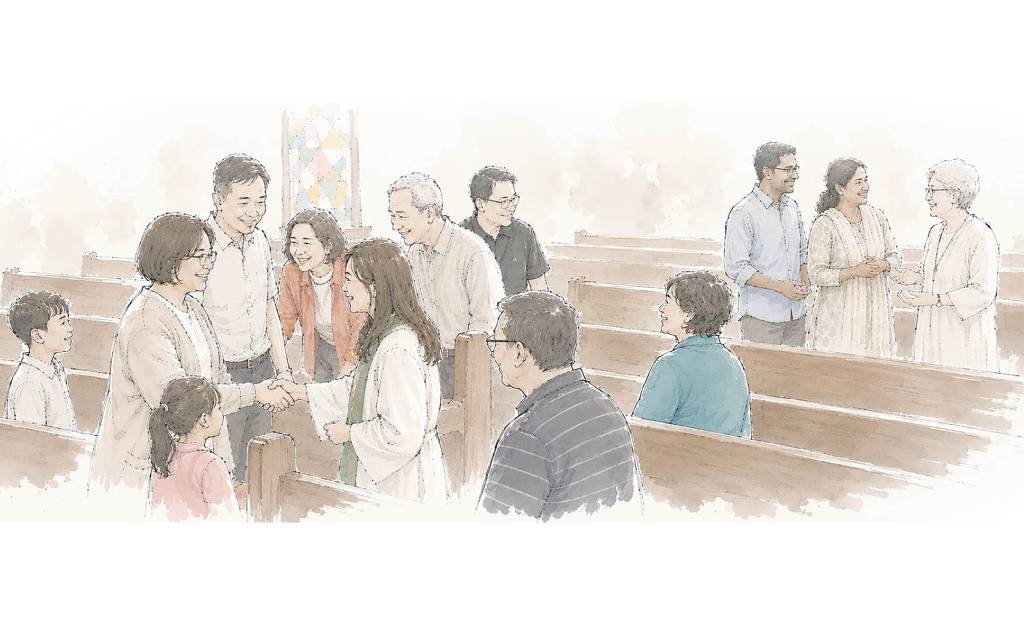
As a teenager, I remember a small hymnal and a hymn board at the front of the church. Each week, someone would slide cardboard numbers carefully into place. We sang an opening hymn, a hymn after the New Testament reading, an offertory hymn, communion hymns and a sending hymn. Children, youth, adults and seniors all worshipped together and sang from the same book.
On third Sundays, things were a little different. The older youth would lead worship with guitars and folk songs. The older generation did not always appreciate the change—some found the songs unfamiliar and the accompaniment distracting. Yet they made space for it, because it was the younger generation’s turn to lead. Even then, the church was learning something important: that making room for different generations to sing their faith is not a concession. It is faithfulness.
Years later, I studied at the Asian Institute for Liturgy and Music. No popular songs were sung there. We were expected to know the songs of our own traditions, and if we did not, we were sent back to discover what our forebears had sung. We brought songs from our cultures and communities into the classroom. We learnt to adapt local melodies, set psalms to music and compose our own liturgical songs. Singing songs from other traditions widened our worldview and reminded us that the Church is far larger than our own denomination, language or nation.
Yet the Institute was also very different from the realities of local congregations. The songs we cherished in the classroom were not always the songs being sung in our churches.
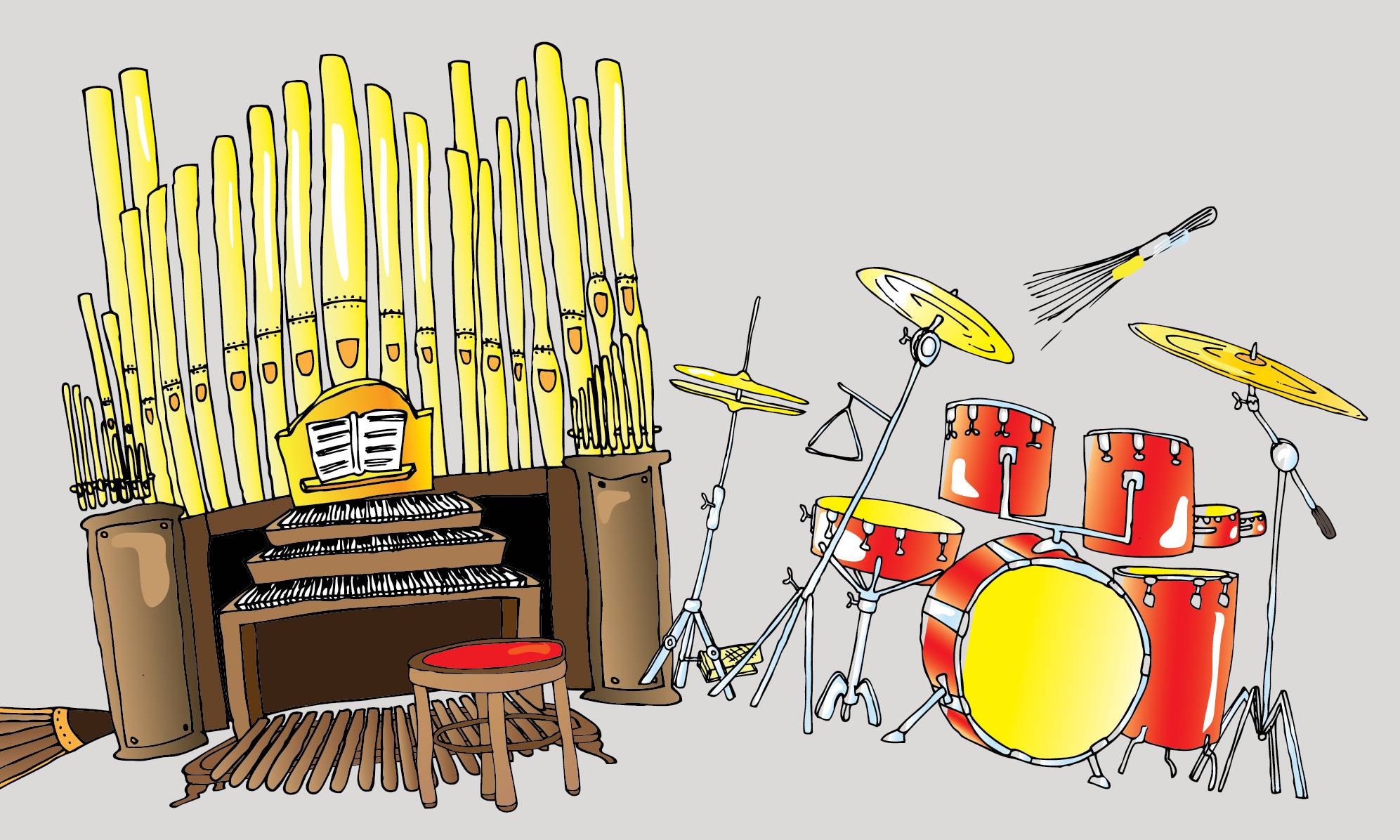
When I later encountered contemporary worship music, I found churches locked in what had been called the “worship wars”. It seemed to be a zero sum game between hymns versus contemporary songs, organ versus guitar, the old guard versus the young. Some feared that theology was being lost. Others felt that traditional hymns no longer connected with younger worshippers. Both sides had a point. Neither side was asking the right question.
The right question is not whether we should sing old songs or new songs. It is this: What kind of disciples are our songs forming us to become?
The right question is not whether we should sing old songs or new songs. It is this: What kind of disciples are our songs forming us to become?
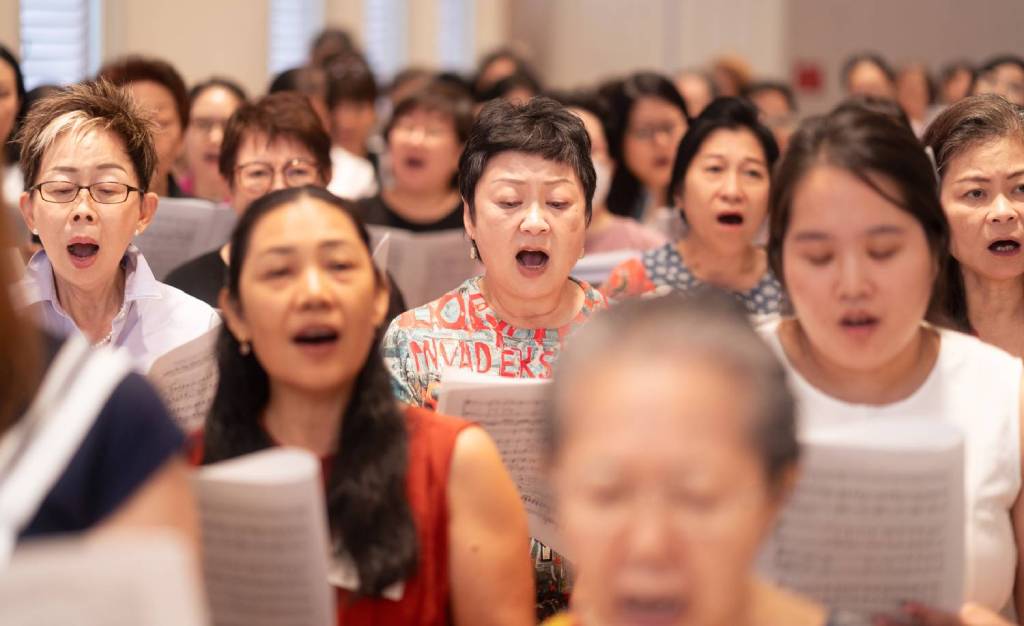
Songs are not to be space fillers between the sermon and the benediction. They are one of the primary ways the Church has always taught its people how to pray. Through song, generations have learnt to praise God, confess sin, trust Christ, lament in grief, and hope in God’s promises. Songs give us words when our own words fail. They lodge in memory long after the sermon fades. They are sung at bedsides and gravesides. They are often the last thing a dying believer can recall.
Many children today still sing “Jesus loves me, this I know” and “God is so good.” These simple songs remain powerful foundations. But as disciples grow, they need songs that teach them about grace, holiness, perseverance, community, mission and hope. They need a larger vocabulary of faith—and that vocabulary is acquired over a lifetime of singing.
Some of that vocabulary has been carried for generations in hymns such as “My Faith Looks Up to Thee”, “The Church’s One Foundation”, and “O for a Thousand Tongues to Sing”. The question is not whether every child must sing these in exactly the form previous generations did. The question is whether we are passing on the theological substance these songs carry—and finding fresh ways to express those same truths for our own time.
Church history is, in this sense, encouraging. Every generation has added its voice to the Church’s song. Charles Wesley wrote for his generation. The folk song movement spoke to another. The explosion of new hymn writing in the twentieth century happened because poets, theologians and musicians recognised that timeless truths need living language. Today’s songwriters stand in that same stream.
Bridging the gap across the pews, then, is not primarily about finding the right musical blend to keep everyone happy. It is about ensuring that the faith entrusted to one generation is faithfully handed to the next through whatever songs best carry it there.
Bridging the gap across the pews, then, is not primarily about finding the right musical blend to keep everyone happy. It is about ensuring that the faith entrusted to one generation is faithfully handed to the next through whatever songs best carry it there.
Some songs deserve to be preserved because they continue to teach and sustain the Church across the years. Others have yet to be written, because every generation is called to bear witness to God’s work in its own time and tongue.
We sing songs that form disciples of Christ. The melodies may differ. The instruments may have changed. Worship styles will continue to evolve. But the calling remains the same: to nurture a Church that keeps sing- cherishing the songs we have inherited, creating songs for our own time and teaching the next generation to sing the faith.
That is the worship war worth fighting.