The name of MPH, the bookstore chain and publisher, is well-known among Singaporeans. But not many know that it started with a small printing press owned by The Methodist Church in Singapore at the turn of the century and its connection to Methodist Message. We take a closer look at its evolution.
Many people would have heard of Bishop William Fitzjames Oldham, one of the party of four missionaries bearing the standard of the Methodist Episcopal Mission (MEM) who landed in Singapore in 1885.
Their arrival marked the establishment of The Methodist Church in Singapore and our Methodist schools. But fewer may know about Bishop Oldham’s contemporary who shared his first name, William Girdlestone Shellabear (1862-1948), and how their paths crossed in Singapore.
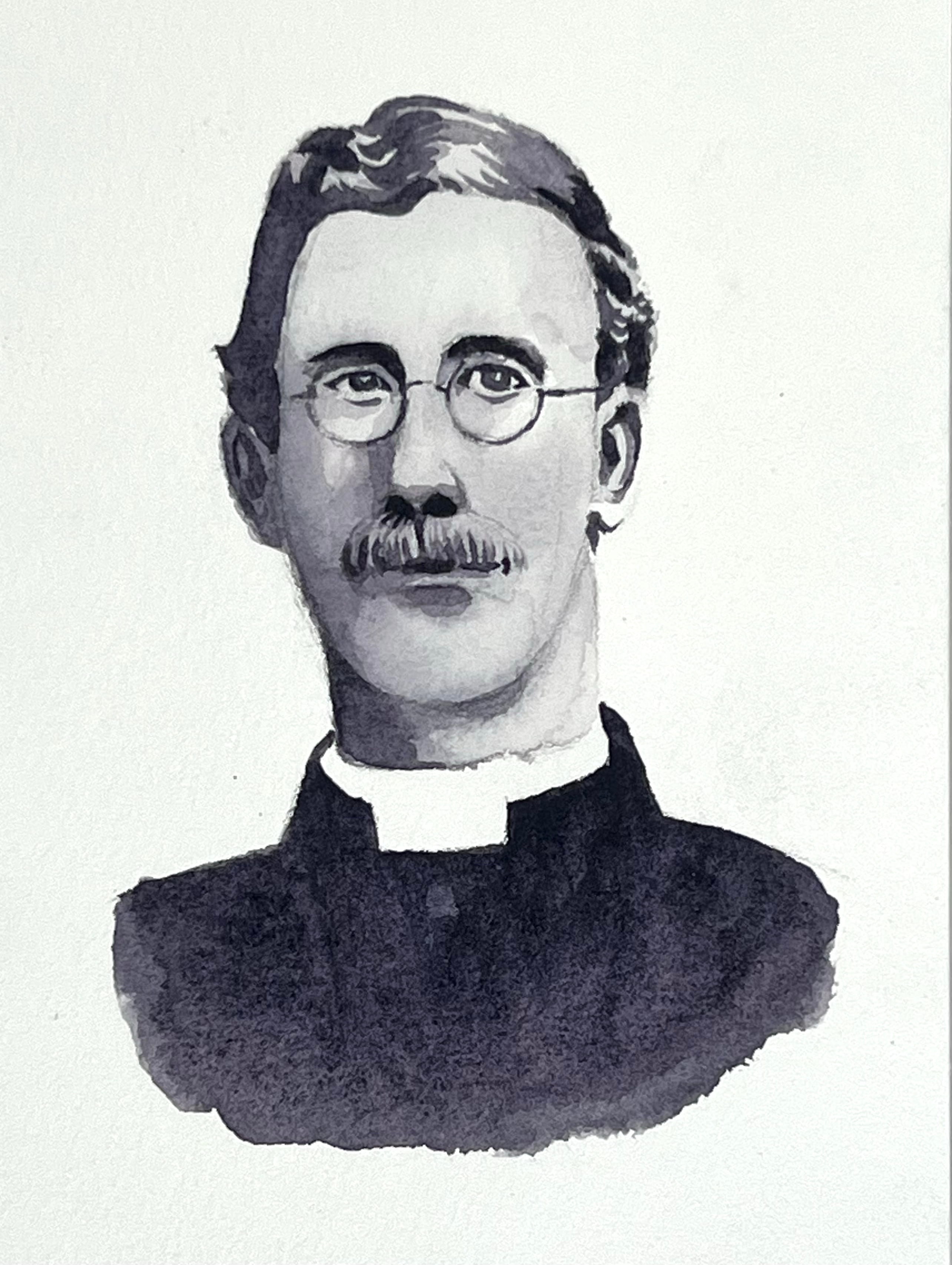
Shellabear did not arrive in Singapore as a missionary. He was not even a Methodist at the time, but Anglican. Academically accomplished in school, he had sailed through subjects such as Mathematics, French, German, English Literature and the sciences. His ambition was to be a mechanical engineer which led him to a commission with the British Royal Engineers upon graduation. As an officer, Lieutenant Shellabear was posted to Singapore in 1887 when he was 25.
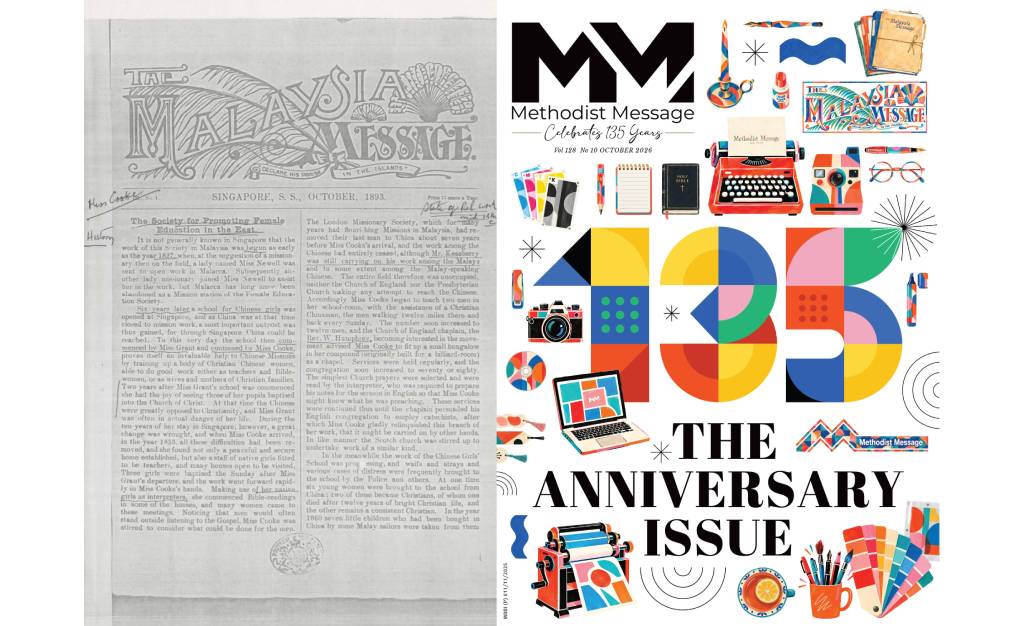
Shellabear’s linguistic abilities and bent for engineering contributed much to MEM. He was Editor and Publisher of The Malaysia Message1 which celebrates its 135th anniversary in October 20262, and the founder of the small printing press which became the publishing giant, MPH.
William, the soldier
When they landed in Singapore, Shellabear and a fellow English officer were tasked to enlist and command a company of Malay soldiers to assist the British Royal Engineers in preparing Singapore’s harbour defences. Almost immediately they hired a teacher to teach them Malay3. Unlike many Europeans of that time, Shellabear found an easy camaraderie with the native soldiers, sparking his lifelong fascination with Islam and Malay literature. Promoted to Captain, Shellabear also took it upon himself to look after the spiritual well-being of his European non-commissioned soldiers, conducting short services for them on Sundays.
Unlike many Europeans of that time, Shellabear found an easy camaraderie with the native soldiers, sparking his lifelong fascination with Islam and Malay literature. Promoted to Captain, Shellabear also took it upon himself to look after the spiritual well-being of his European non-commissioned soldiers, conducting short services for them on Sundays.
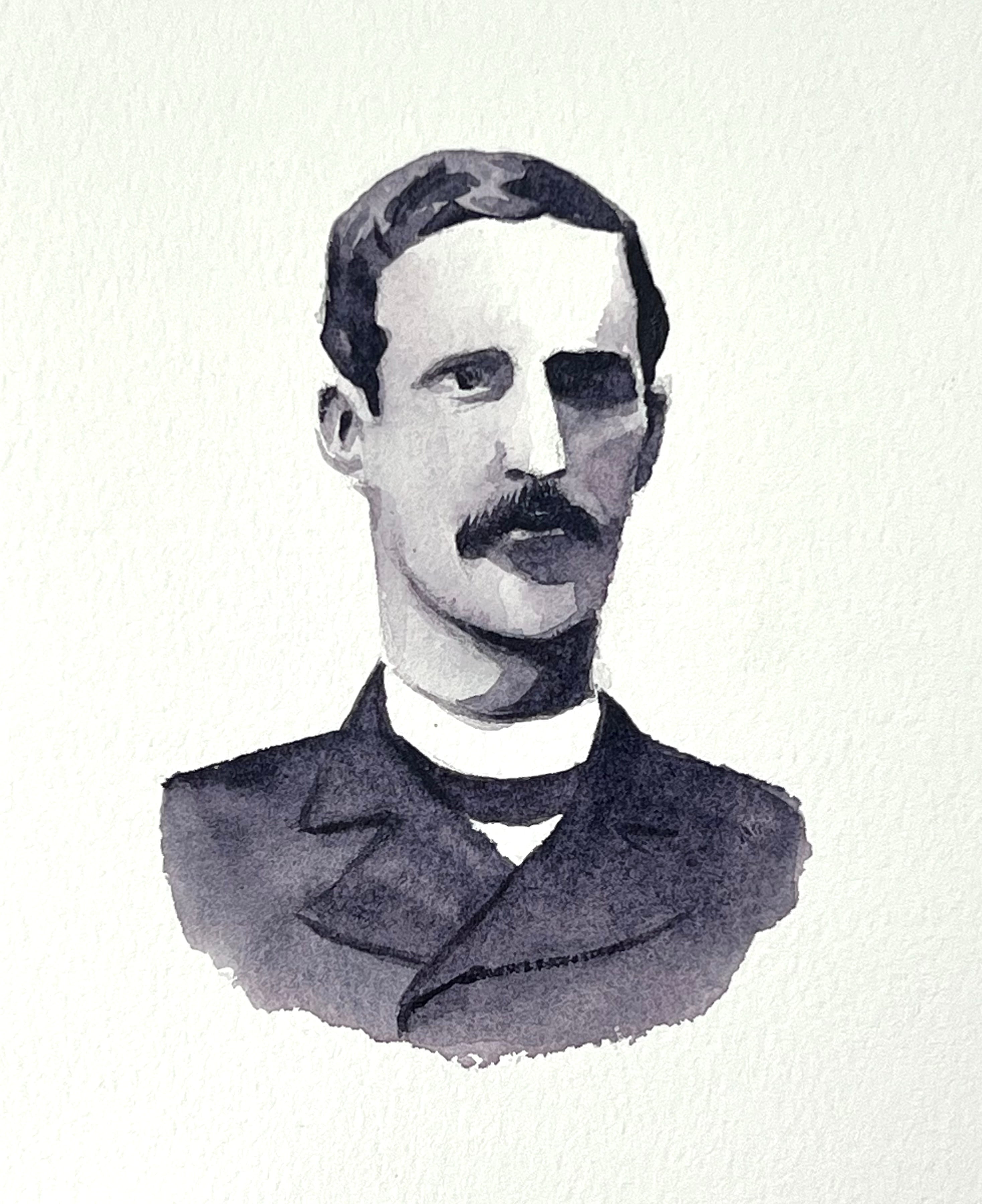
William, the missionary
Through various Christian connections, Shellabear met Bishop Oldham in 1887 at an event at the Methodist Episcopal Church on Coleman Street. He began attending their Tuesday night prayer meetings which left a deep impression on him.
By 1888, Shellabear had started an evangelistic outreach to the Malay community by translating hymns and tracts into Malay. In his autobiography he recounted the first time he produced Christian literature in the Malay language, which became his lifelong mission: “I was also invited to help in the street meetings [in the part of the town where Malays lived] and with the assistance of my Malay teacher I prepared leaflet tracts in Malay, and printed a number of copies on a kind of mimeograph known at that time as the cyclostyle; these tracts were afterward lithographed for wider distribution … I tried my own hand at writing Malay hymns, and printed on the cyclostyle my first collection of five Malay hymns, translated from the following hymns—’We are are out on the ocean sailing’, ‘That is a land, a sunny land’, ‘O worship the King all glorious above’, ‘Jesus, lover of my soul’, ‘Holy, holy, holy! Lord God Almighty’ … cyclostyled in the Arabic character as well as Romanised. The first Malay tracts prepared for these street meetings were The Ten Commandments, The Beatitudes, The Creation and Fall of Man, Christ our Substitute, The Benefits of Religion, and Concerning Heaven.”4
Growing increasingly pacifist in his outlook he began to seriously consider switching his vocation to missionary work, in particular among the Malays.
When both Bishop Oldham and Bishop James Thoburn agreed to take him into the Methodist fold, Shellabear resigned from the military in 1890. It caused a huge uproar, leading to estrangement from his parents, as he was also leaving the Church of England to become a Methodist missionary.5
The first printing press
Bishop Oldham’s plan was for Shellabear to start a printing operation for MEM in Singapore. So Shellabear went to London where, for about three months, he learnt to “set type and run printing machines, to fold sheets and bind books”6. While Bishop Oldham raised funds in America, Shellabear himself raised about £30 from his army and other friends.
First called the Amelia Bishop Press after a generous American supporter, the printing press started operations in December 1890 out of a rented shophouse at the corner of Selegie Road and Sophia Road. One of the first items printed was Shellabear’s booklet of Malay hymns. Naturally, it also printed The Malaysia Message, to which Shellabear contributed many articles for years. He became its Editor in February 1892, a role he continued in, whenever he was needed, for the next 23 years.
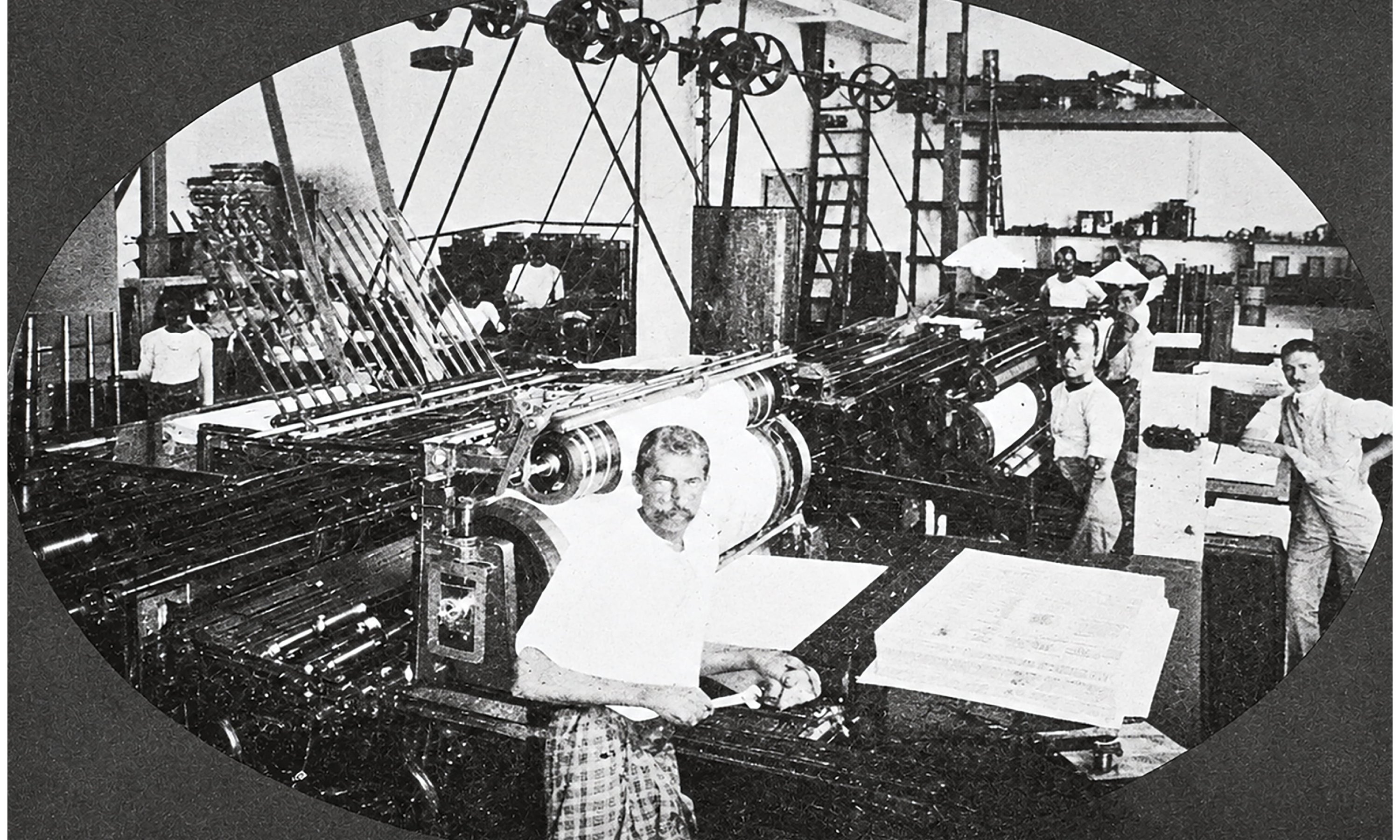
In 1893, while in London, Shellabear reached an agreement with the British and Foreign Bible Society (BFBS) for the latter to finance a new cylinder press, with the loan to be repaid in future work. To accommodate the new machinery, the press, now named American Mission Press (AMP), moved from Selegie Road to the upper floor of a building behind Robinson and Co on Raffles Square. The first Methodist Book Room was set up nearby, stocking various titles produced by AMP, among other things7. As AMP provided an essential service to the Christian missions of different denominations in the Malay Peninsula at the time, it became self- supporting within two years.
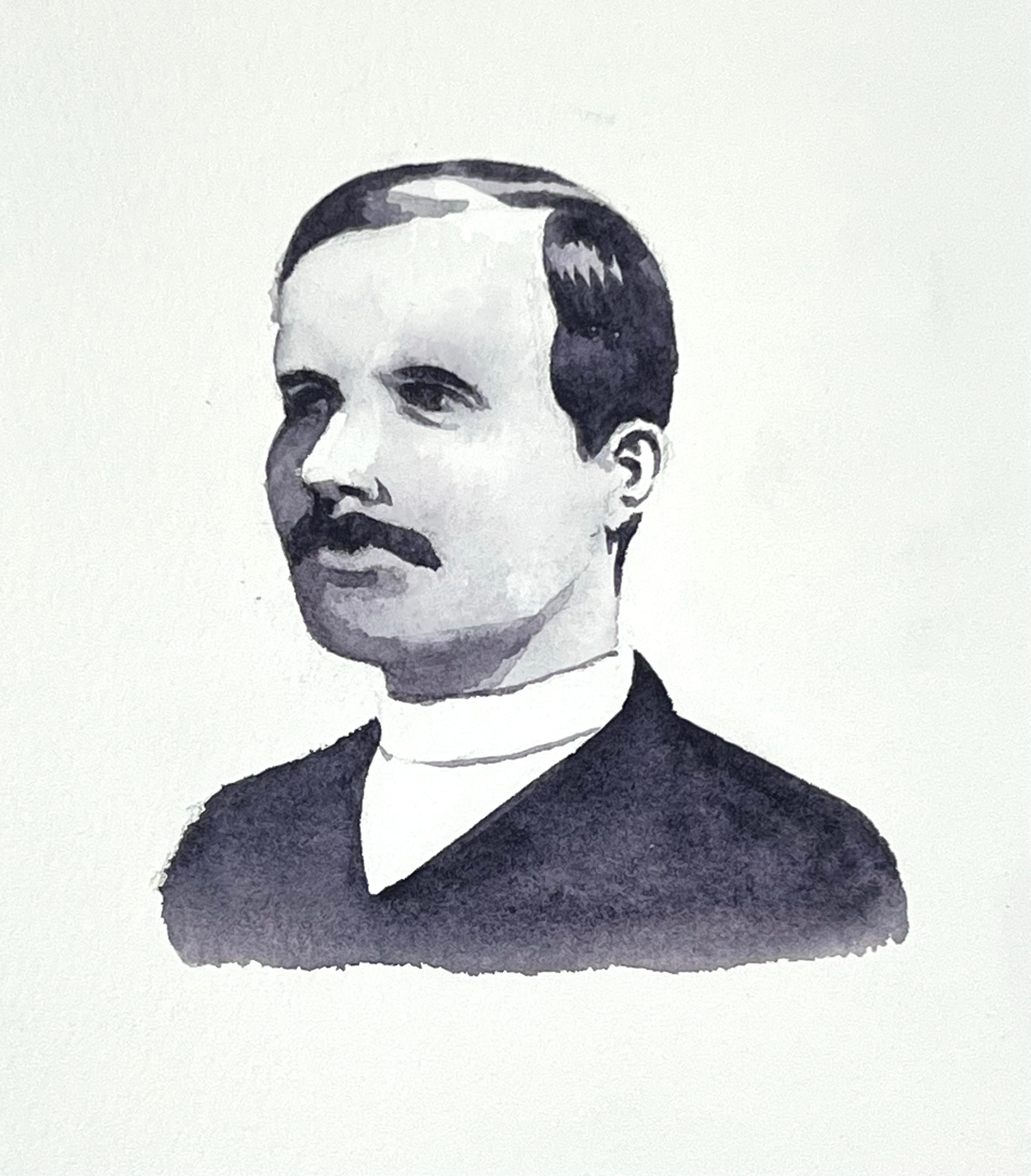
The third William
A third William would come to alter the trajectory of AMP. Canadian minister Rev William Thomas Cherry answered an advertisement—asking for an ordained minister who knew the printing business—to manage a printing press venture in Singapore.8
We get a glimpse of how challenging, albeit intriguing, the work was in those years when typesetting was all done by hand. In the 1900 Annual Mission Report to headquarters, Shellabear wrote, “Since [Rev Cherry’s] arrival [in February] the business has continued to increase at a rate which taxes our resources to the utmost … printing Scriptures for [BFBS] in the Malay and Javanese languages, and for the Manila agency of the same society in Tagalog and Bicol; for the German Mission in West Sumatra we print in the Batta language; and for ourselves in Malay, Chinese, and English. In addition to the above we do a considerable amount of job printing.”9
A year later, Shellabear requested more funding and workers for AMP, citing the need for another large cylinder press as even larger orders were made by BFBS for Scriptures in the same languages, plus a new language, Anamese.
Furthermore, Shellabear stated, “A 5,000 [copies] edition of the New Testament and Psalms in Batta, which is now in hand, is the largest job that our press has ever executed. A small addition of $2,000 or $3,000 to our capital would enable us to put in machinery …”10
Shellabear was seconded to BFBS from 1898, while still serving MEM as the Presiding Elder. Based in Malacca, he was translating the Scriptures into Malay for BFBS while also providing Sunday school lessons and other religious literature in Malay.
Cherry, left in control in Singapore, pushed to expand AMP’s printing and retail operations by accepting advertising and commercial work like bookbinding.
Methodist Publishing House (MPH)
The AMP name was changed to Methodist Publishing House (MPH) in Oct 1906.
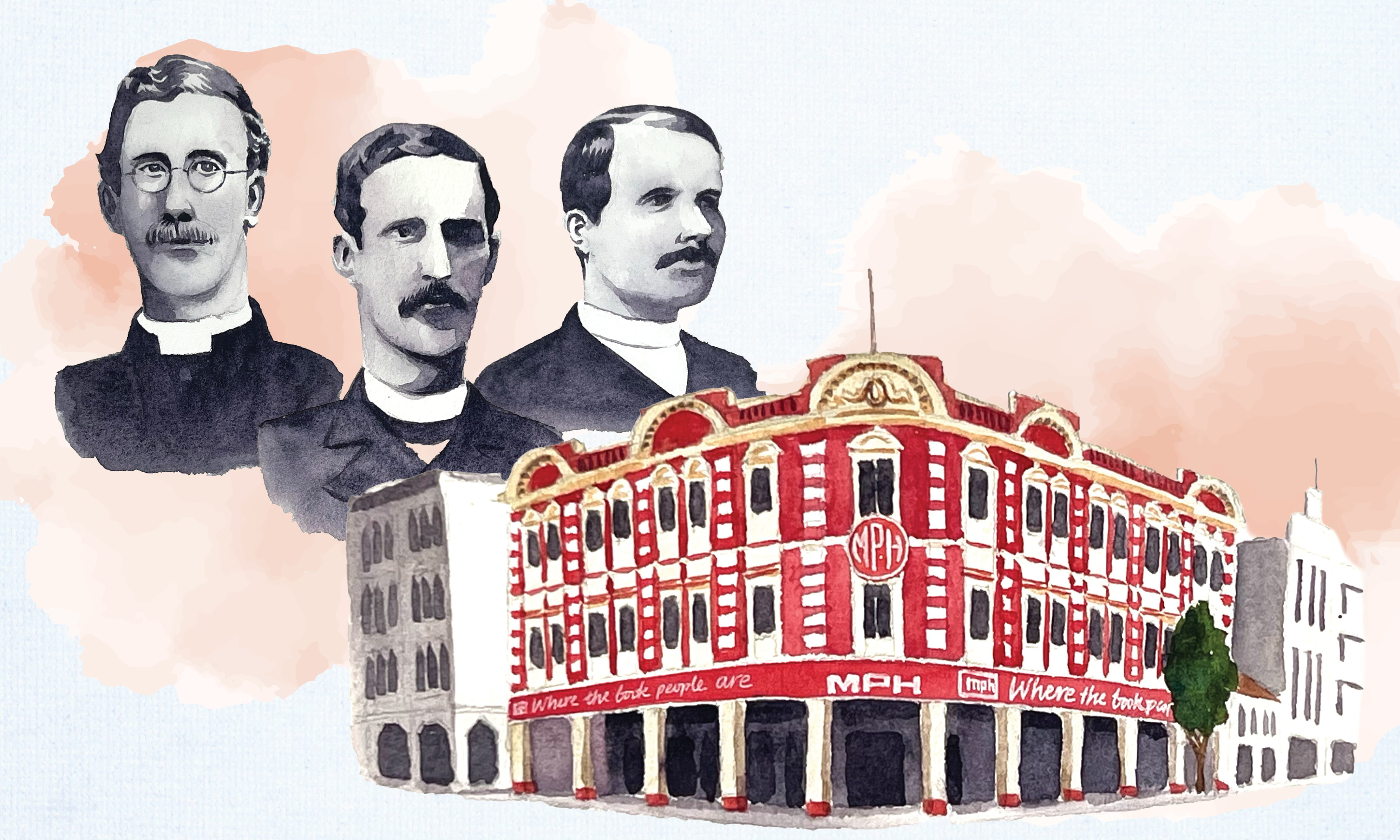
In 1907, its distinctive three-storey building at Stamford Road, which Cherry had strongly advocated for, was completed. It was said that “Cherry had created one of Singapore’s largest, but largely commercial, publishing empires.”11 Unfortunately, Cherry’s ambitions, management style and differing vision soured his relationship with Shellabear and their friendship was never restored.
In 1907, its distinctive three-storey building at Stamford Road, which Cherry had strongly advocated for, was completed. It was said that “Cherry had created one of Singapore’s largest, but largely commercial, publishing empires.” Unfortunately, Cherry’s ambitions, management style and differing vision soured his relationship with Shellabear and their friendship was never restored.
Cherry retired in 1922, but MPH continued to flourish in the direction he had set. In 1927, MPH was sold and became a commercial public stock entity known as Malaya Publishing House. The primary reason for the sale was that it had become too commercially successful and deviated too far from its original religious mission.12 It ceased to print The Malaysia Message. In 1963, it became Malaysia Publishing House, and in 1968, MPH Limited. Its decline started in the 1970s and today, it has no physical stores in Singapore, only an online presence.
Best remembered as a scholar-missionary, Shellabear produced an impressive body of writings, particularly works translated from English to Malay and vice versa. Despite difficulties in his personal life and missionary challenges, he accomplished his pioneering goal of translating the entire Bible into Malay before God called him home.