
Profound loss can lead to a loss of direction and motivation in life. Daily routines lose meaning, former pleasures no longer bring joy, and we may withdraw from people, interests and life. In extreme cases, the sense of emptiness can lead to depression and even thoughts of taking one’s own life. How do hurting and grieving souls move on with life?
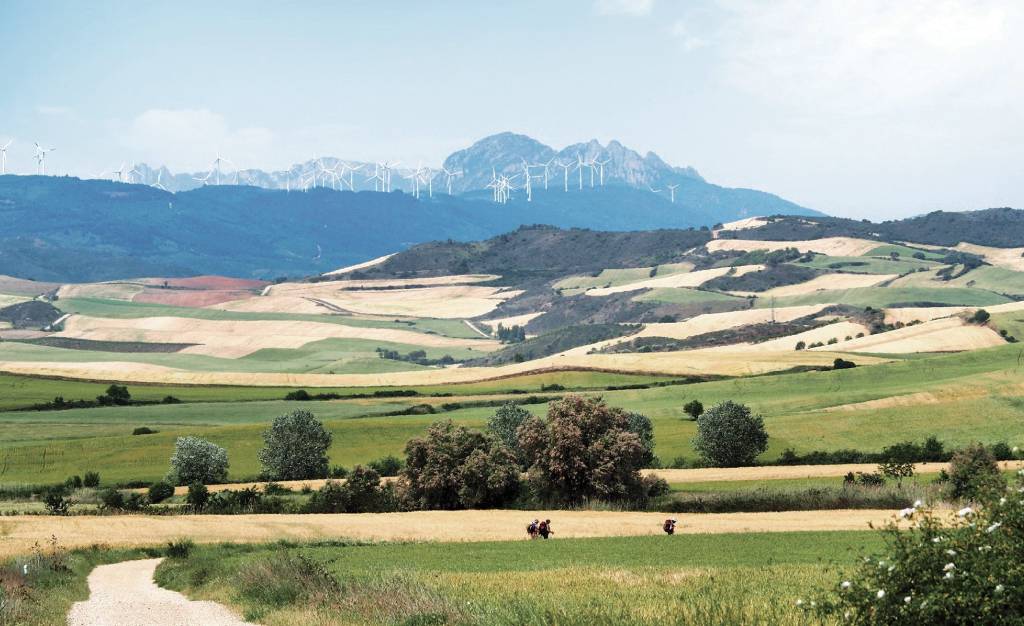
Alexander Ee’s book A Glimpse of Heaven provides some insight. The book is based on his pilgrimage on the Camino de Santiago, a network of ancient pilgrim routes, which he undertook soon after losing his wife to cancer. Her untimely death had left him bereft and uncertain about how he could carry on with his life. His Catholic priest challenged him to undertake the Camino pilgrimage to find some answers.
Having walked the Camino thrice, albeit a shorter version of about 120 kilometres, I was somewhat intrigued by Alexander’s experience on the more arduous 700 kilometre route starting from the south of France and ending at the town of Santiago in Spain. For good measure, Alexander had gone on to finish his walk at Finisterre (End of the World), where the route meets the Atlantic Ocean.
I was also keen to find out what Alexander had learnt from his pilgrimage as there are as many reasons for undertaking it as there are walkers. Many go in search of answers, particularly to questions about direction in life, such as “What do I do with my life now?” Some ask this question after realising that they have lost their purpose in life. This can happen when one loses a loved one, experiences a relationship breakup, goes through a divorce or is disillusioned with one’s life quest.
Grief is an appropriate response to loss. The more significant the loss, the greater the pain felt. However, not everyone experiences loss in the same way or intensity. I was a young boy when my grandmother passed away. Even though many have said that I was a favourite of hers, I had little understanding and feeling about her passing. Indeed, there are some who may feel a sense of guilt for not being sad enough.
Those around hurting individuals may be alarmed at seeing that the people whom they once knew or depended on are but a shadow of themselves. How do family and friends respond to those who are reeling from catastrophic loss and are grieving?
Giving the bereaved time and space to grieve is key. This can take the form of not expecting them to bounce back quickly into their pre-loss roles and routines. When they wear a faraway or blank look, we should not chide them with phrases like “move on”. Instead, acknowledge their loss with a simple response like, “it’s so sad to be without him/ her”. Often, the best response is to sit silently with them. While allowing them to grieve, do not exclude them from daily routines but do ensure that they have regular meals— preferably not alone—and engage them in light activities like walks.
Ultimately, what the bereaved does and experiences will indicate when the acute phase of grief is over and re-engagement with life begins. This can typically take a year or two and usually involves finding a new goal or purpose to carry on with living.
Ultimately, what the bereaved does and experiences will indicate when the acute phase of grief is over and re-engagement with life begins. This can typically take a year or two and usually involves finding a new goal or purpose to carry on with living.
Sometimes, healing is impeded by some unfinished business or questions like “I did not tell him how grateful I am”, “I have not made my peace with her”, “I don’t understand why he had to go so soon?”, or “Could I have been a better parent/spouse/child?” There may not be any good or adequate answers.
We may have to contend with the fact that we are imperfect and have made mistakes. As believers, we can also cling on to the hope that we will be reunited in heaven or that our failings will be wiped clean.
Did Alexander find his answers, you might wonder? Read his book.
Benny Bong has over 40 years of experience as a therapist, counsellor and trainer. He also conducts regular talks and webinars. Benny has helmed the You & Your Family column for more than 20 years and is a member of Kampong Kapor Methodist Church.