Have you ever taken a walk in a park and just felt peace wash over you as you steep in the sights and sounds around you? Nature provides us with more than just a respite from frantic city living. It is also a sanctuary where we can meet God—a space where our bodies and minds are allowed to slow down, away from all the deadlines, and receive true rest in him.
Yet, this peace is threatened by a seemingly hidden reality. In Singapore, where we are sheltered from the direct impacts of environmental issues on our manicured greenery, it’s easy to forget the impact of our daily consumption on the rest of creation. We are shielded from the complex chain of events behind our everyday choices such as the food or things we choose to buy.
It can be hard to keep resisting the convenient choice or the urge to possess more. But Scripture reminds us that we are to be peacemakers! To make peace with our friends and family, we are asked to be self-sacrificial. This should also be our attitude towards the land and other creatures. After all, God commands us to have dominion in his image—one that is characterised by love, sacrifice and service. Moreover, when we steward God’s earth well, generations to come will also be able to experience the same peace as we feel in his creation.
It can be hard to keep resisting the convenient choice or the urge to possess more. But Scripture reminds us that we are to be peacemakers! To make peace with our friends and family, we are asked to be self-sacrificial. This should also be our attitude towards the land and other creatures.
We see this mutual peace in God’s design for the Sabbath. Mirroring God’s rest and delight on the seventh day after his creative acts, God institutes the Sabbath (Exodus 20:8-11) for the Israelites, their servants and the sojourners, but also … their cattle! This provision for rest also extends to the land (Exodus 23:10-13), which is to remain undisturbed so the poor and wild animals may eat.
Humans were not given unlimited rights to use nature for their benefit. If they did not observe this, God tells them that they would be ejected from their land, and it would have its rest in their absence (Leviticus 26:33-34). The land too, had rights to rest.
So what does making peace with the earth look like as Christians? It starts with cultivating a simple lifestyle of contentment over covetousness. By choosing to do so, we offer not only ourselves, but creation itself, a rest from our relentless consumption.
So what does making peace with the earth look like as Christians? It starts with cultivating a simple lifestyle of contentment over covetousness. By choosing to do so, we offer not only ourselves, but creation itself, a rest from our relentless consumption.
I am sure you’ve asked yourself before: Do I really need that new outfit or that newly released phone model? Have we considered if these desires are born of discontent or envy? Am I content with what I have, resting in God’s promise and provision, and obeying Him in my care for the earth?
Gratitude, everyday choices as daily habits
To remind myself of how I should be living intentionally as a peacemaker, here are two ways I find helpful:
Firstly, to pause and give thanks daily to God in gratitude. This could look like simply taking time on the way to work amidst the morning rush to thank God for the creatures in my neighbourhood and three things he has given me, and in doing so, I start the day delighted in his provision for me through the world he’s placed me in. Through this, I come to recognise that I lack no good thing (Psalm 34:10) and should be content with all he has provided me with. When we trust in God and cease striving for more, we declare that our security is in His provision, not in our consumption.
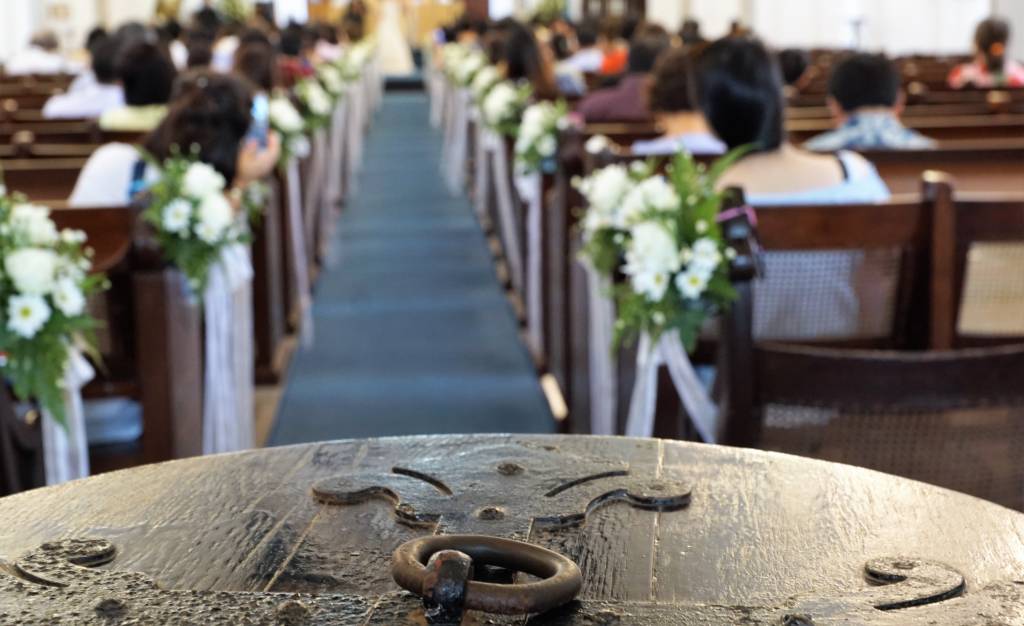
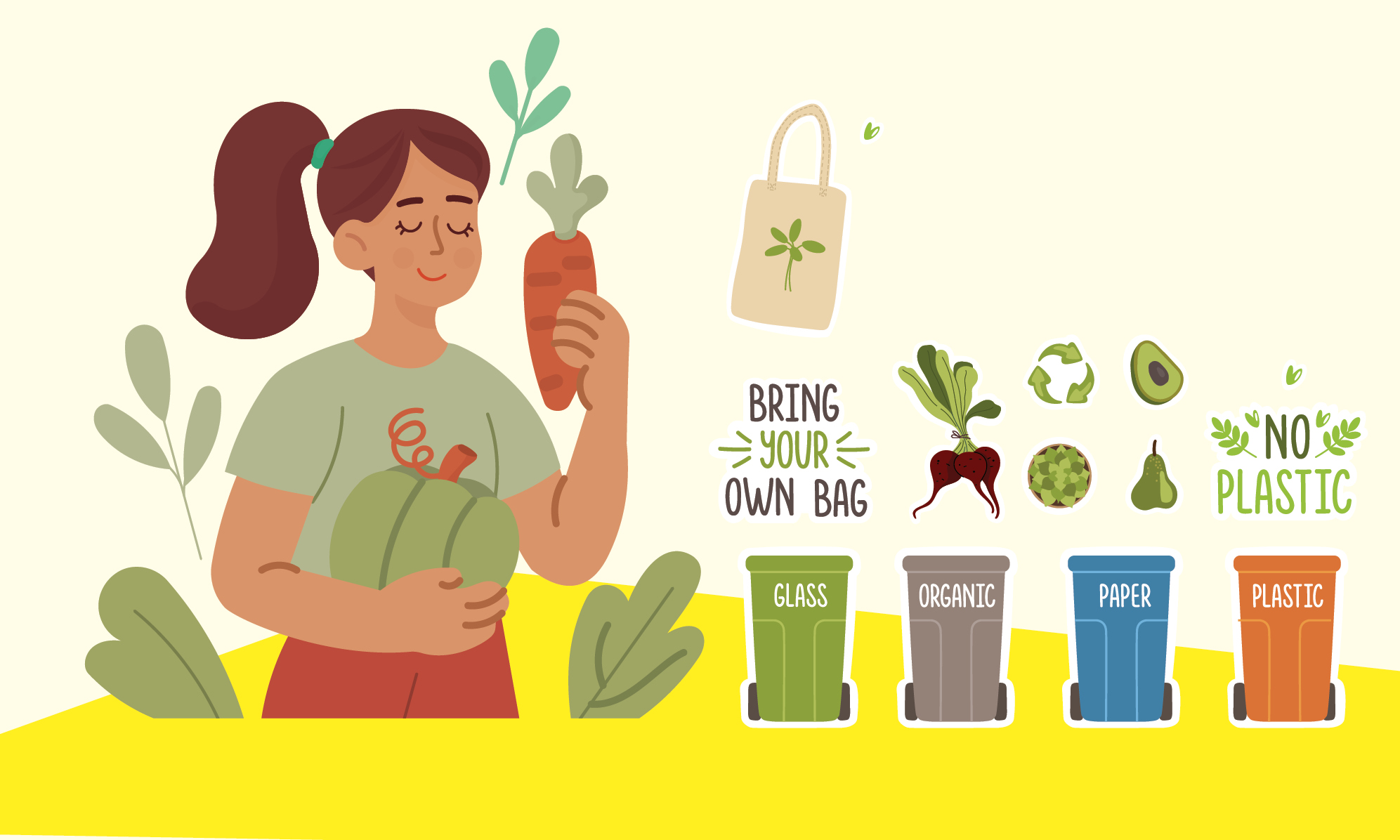
Secondly, to actively consider how my choices affect the natural world. An example: choosing to bring a bottle and my own cutlery to church on Sundays instead of using disposables. It may seem like my one action is insignificant, but if I can quietly influence those in my congregation, our collective impact over many weeks is not small! God designed the Sabbath to give both the land and people a time to rest and regenerate (Leviticus 25:4). Our collective efforts to consume less (and more ethically) gives creation a reprieve in this age of consumerism. Here, God invites us to align our habits with what he values, choosing obedience over convenience.
My prayer for us is that as we learn to pause and listen to God’s heart for creation, may we place less importance on our self-serving comforts and make peace with all of creation. May the Holy Spirit guide us to live with intention and gratitude, making daily choices that glorify God as our Creator.
Val Wong worships at Ang Mo Kio Methodist Church and is an intern at Our Father’s World, a mission organisation inspiring and equipping the Church to live out God’s heart for creation.