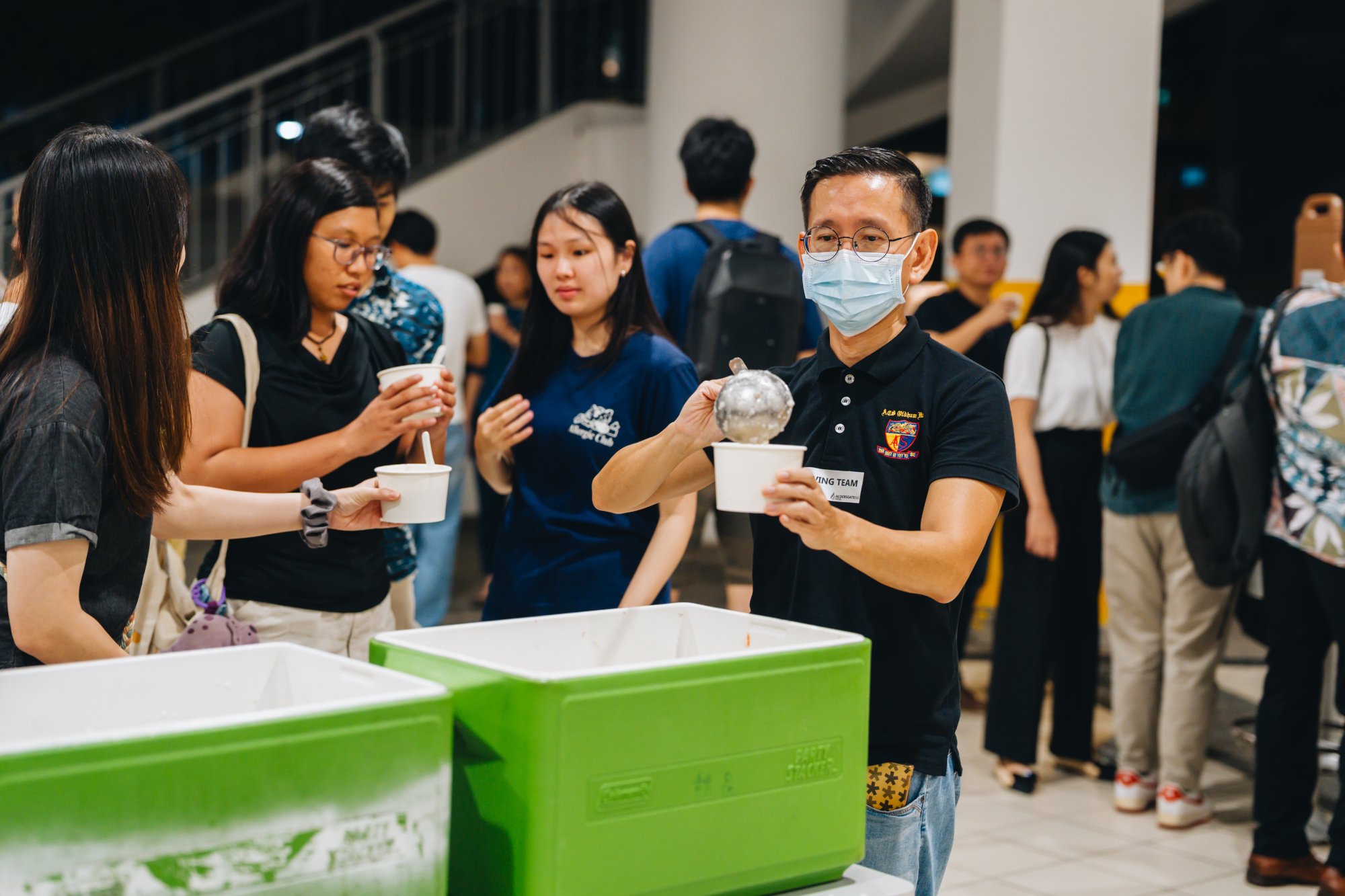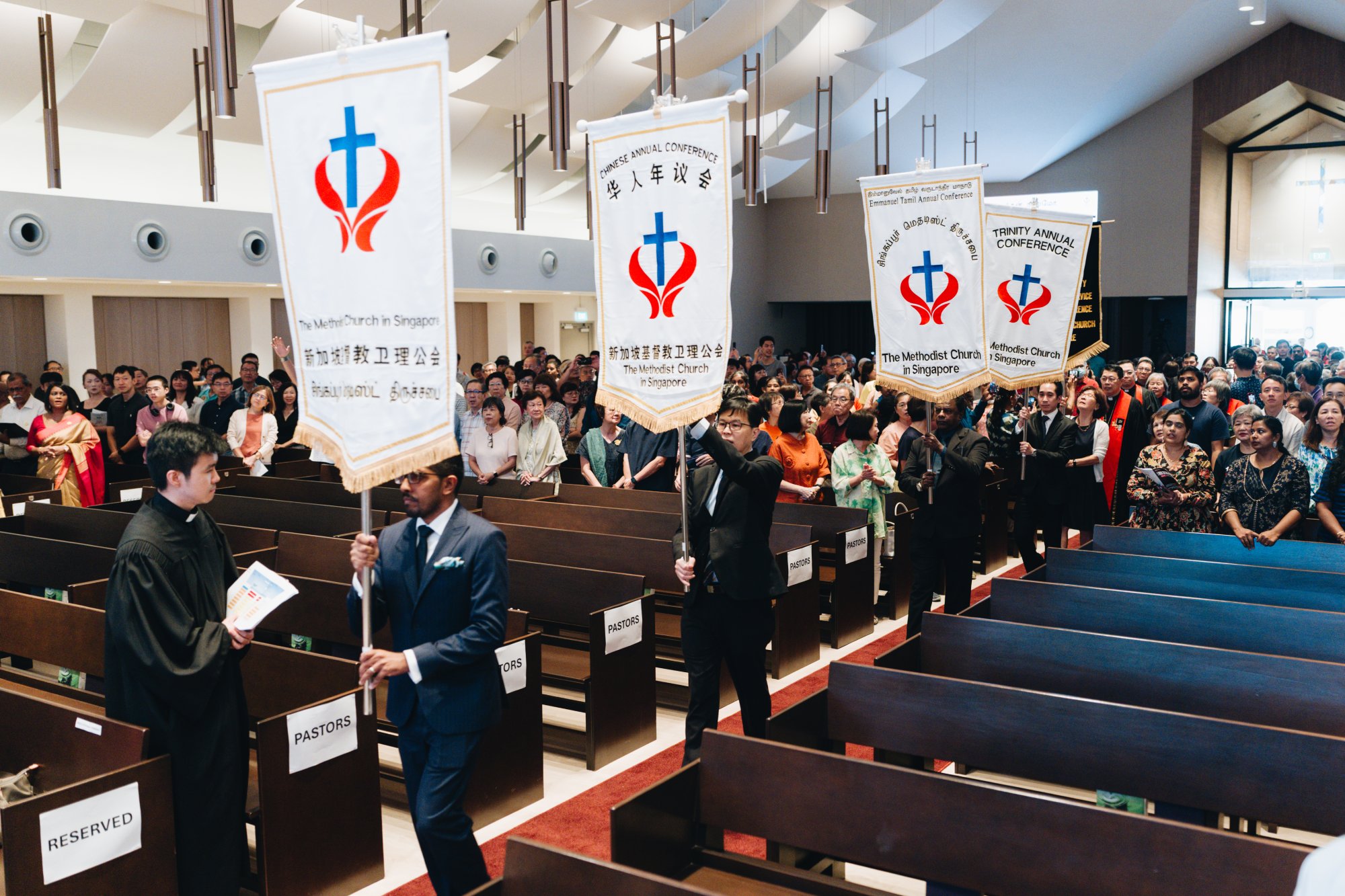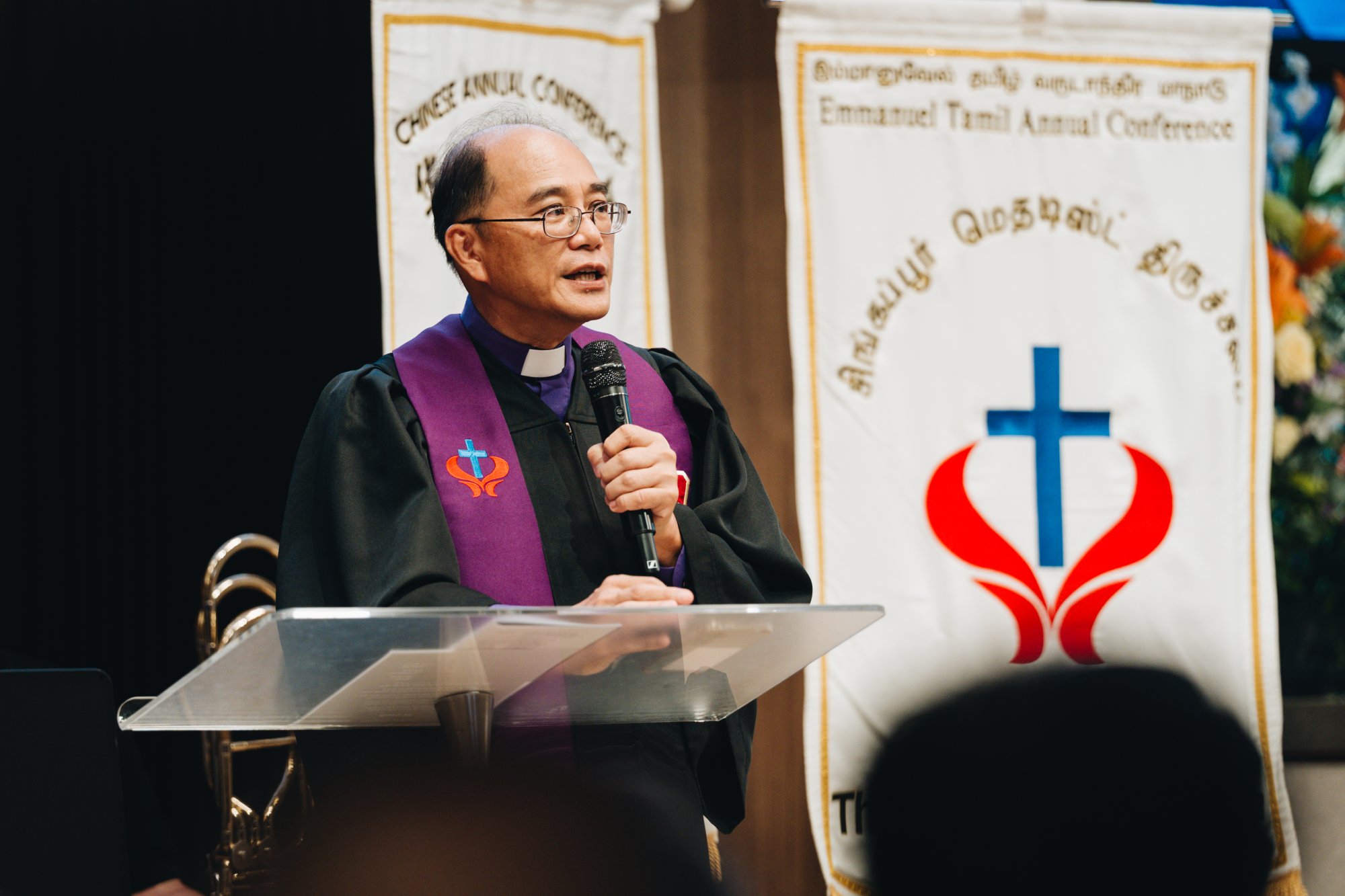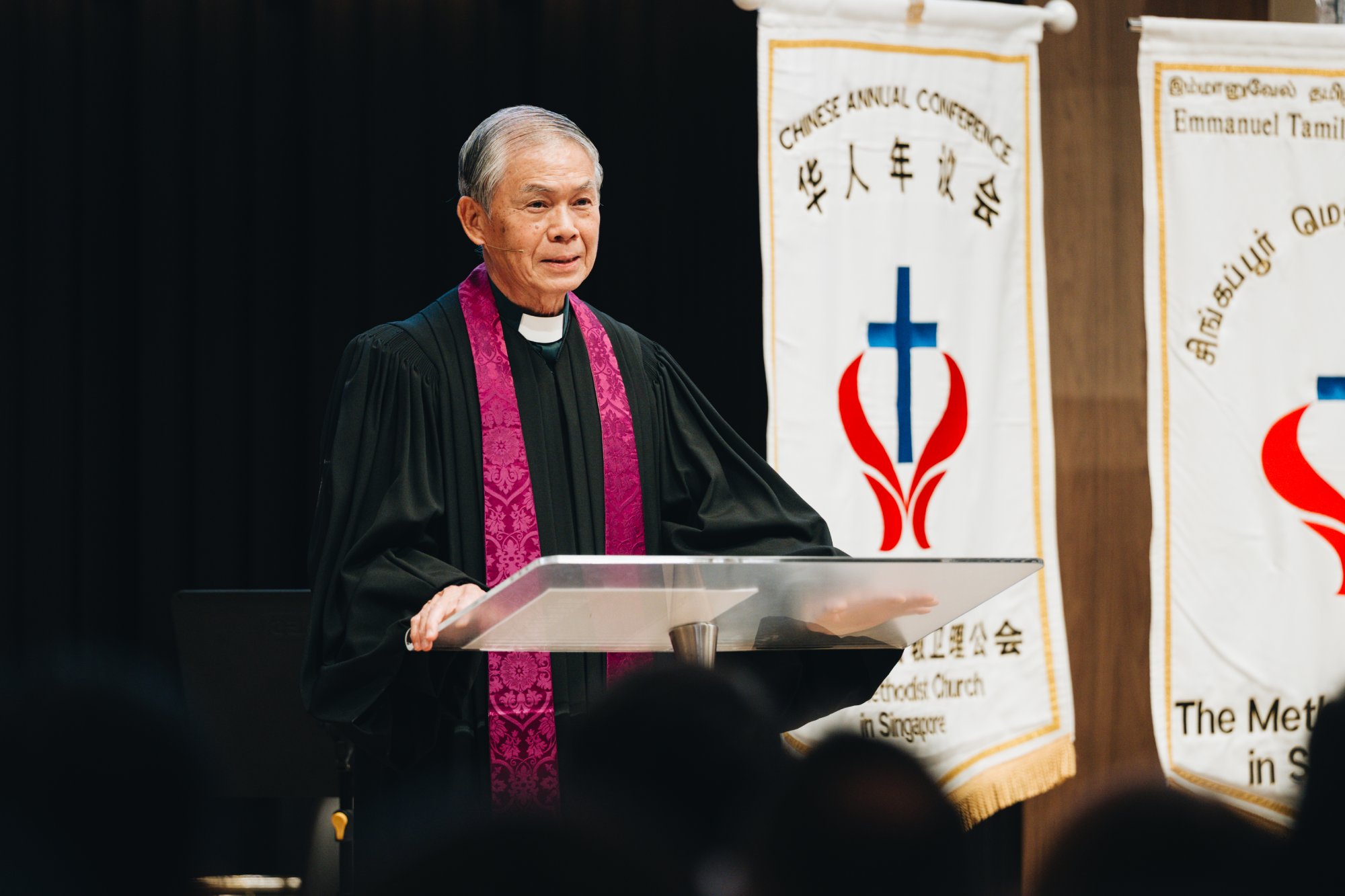
At AldersgateSG 2026, The Methodist Church in Singapore’s annual flagship event, Bishop Emeritus Dr Hwa Yung explored the theme “Is the Bible not enough?” as we commemorate 288 years since John Wesley’s Aldersgate experience.
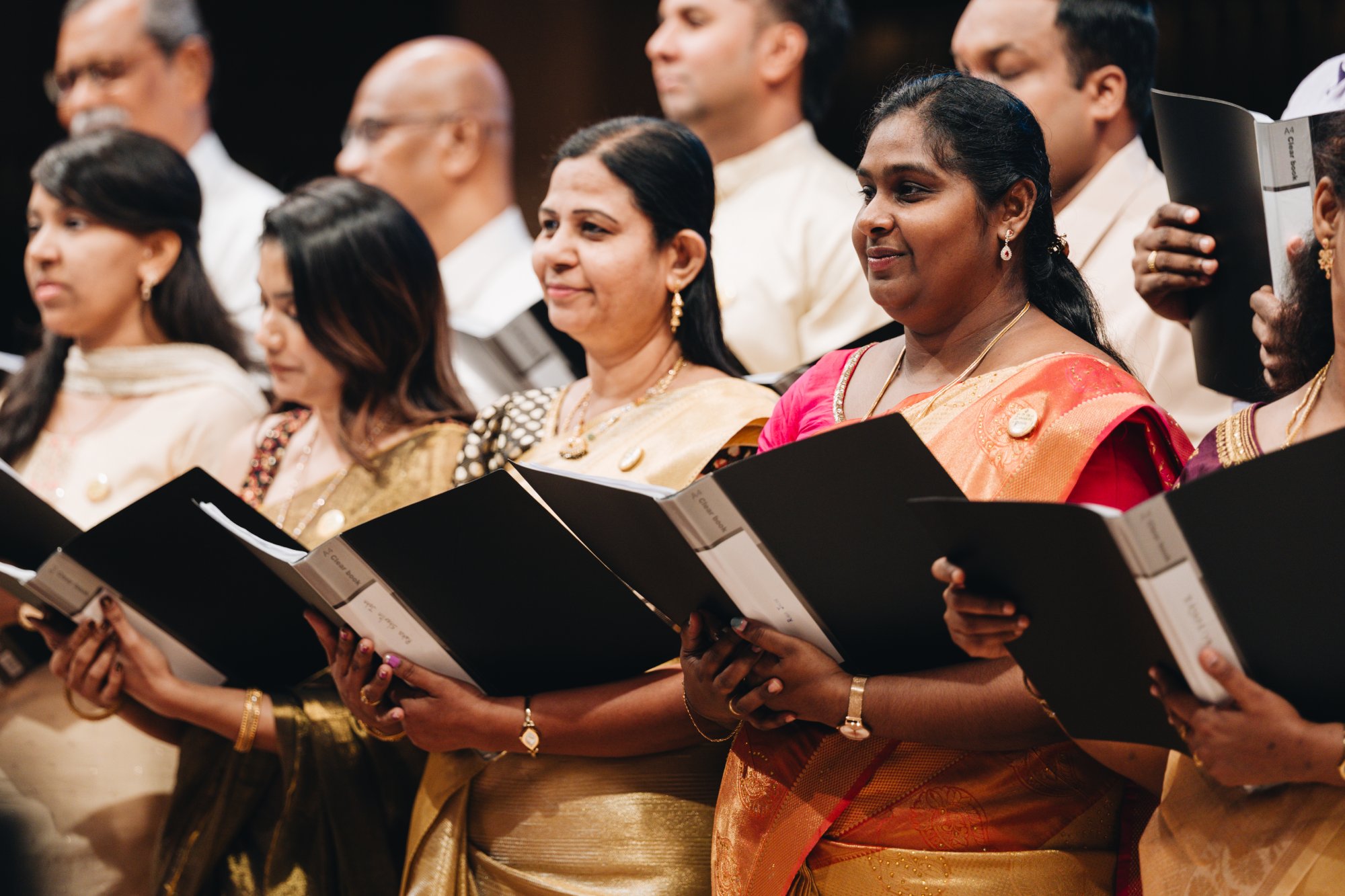
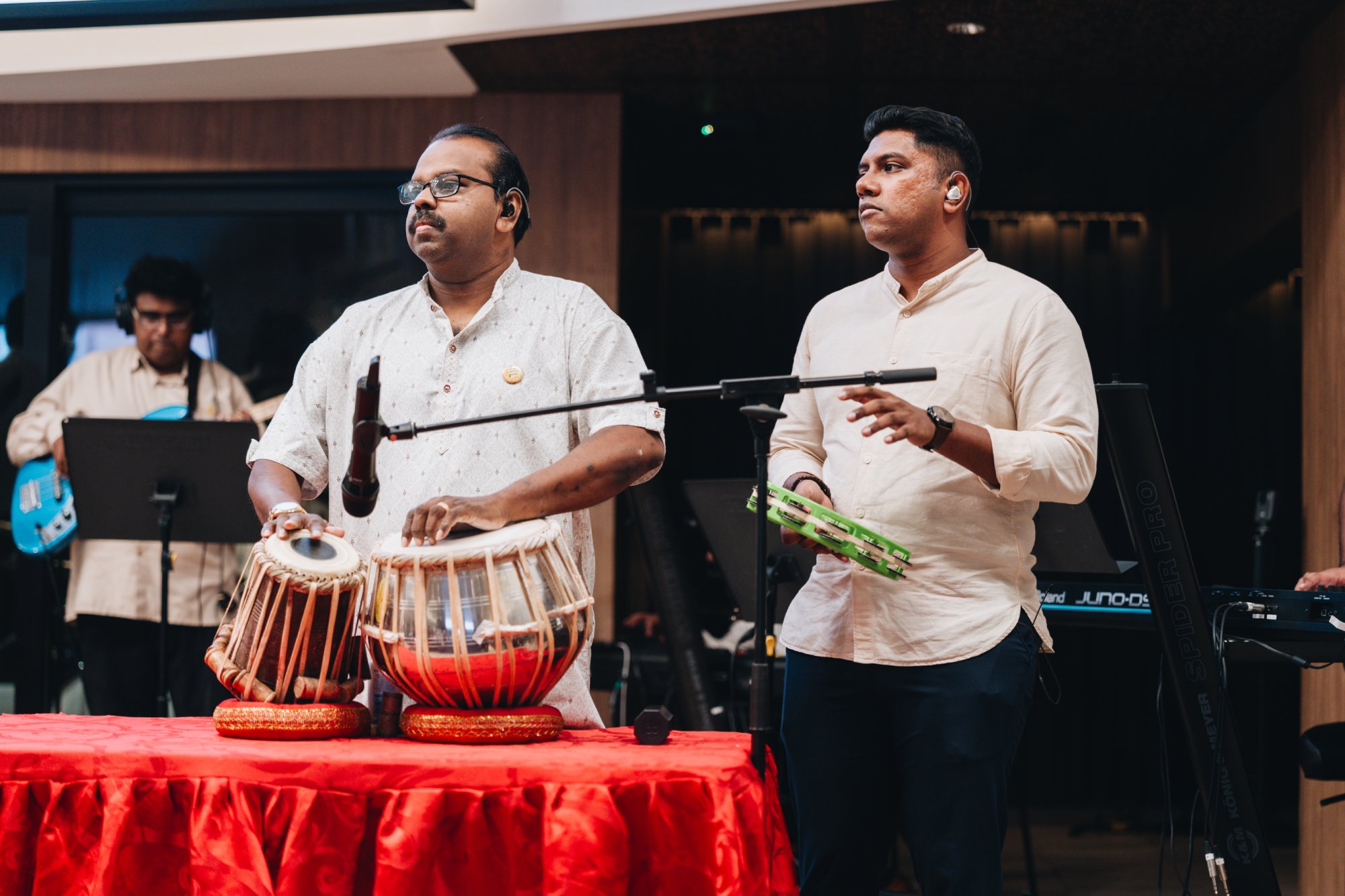
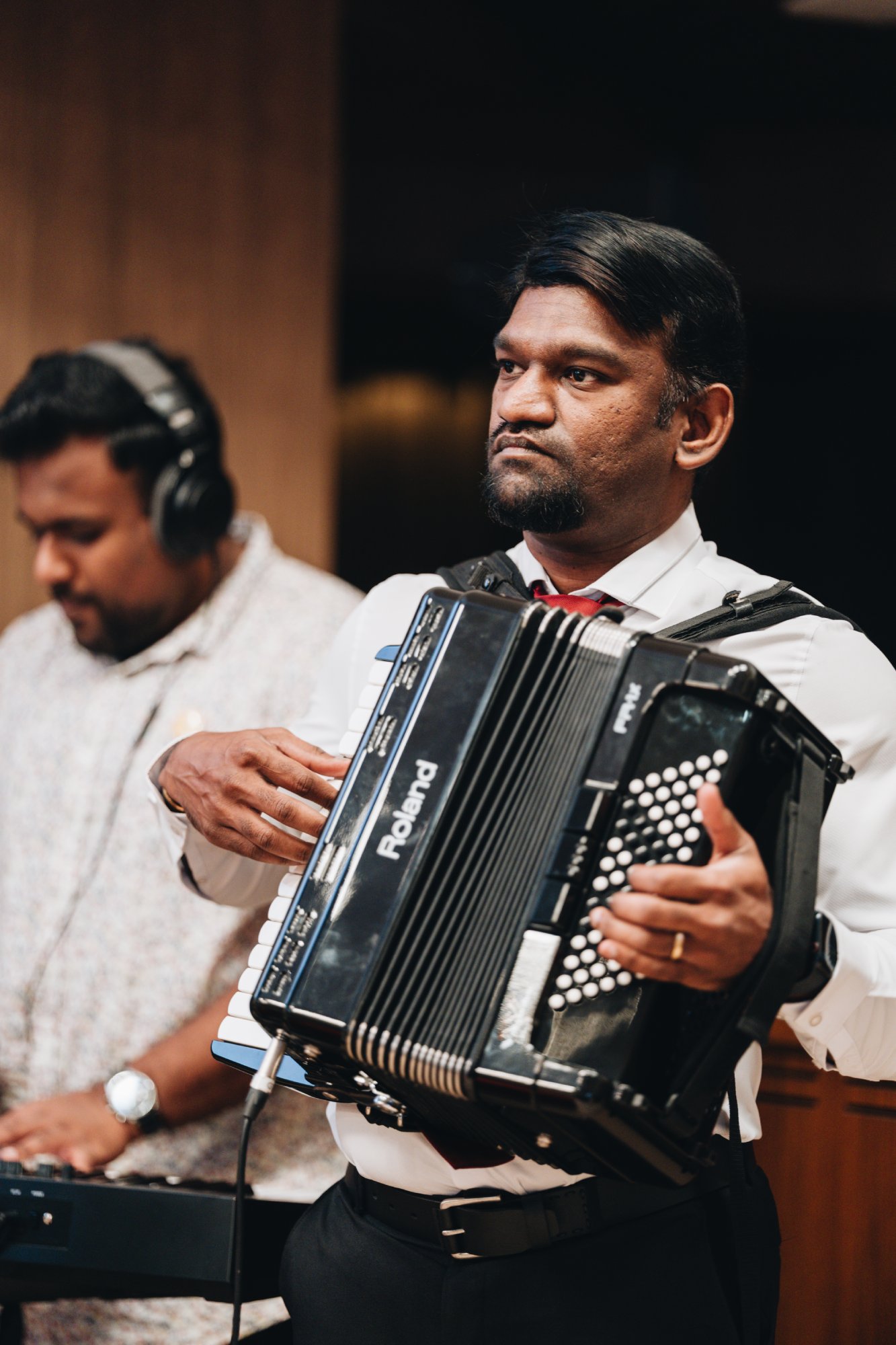
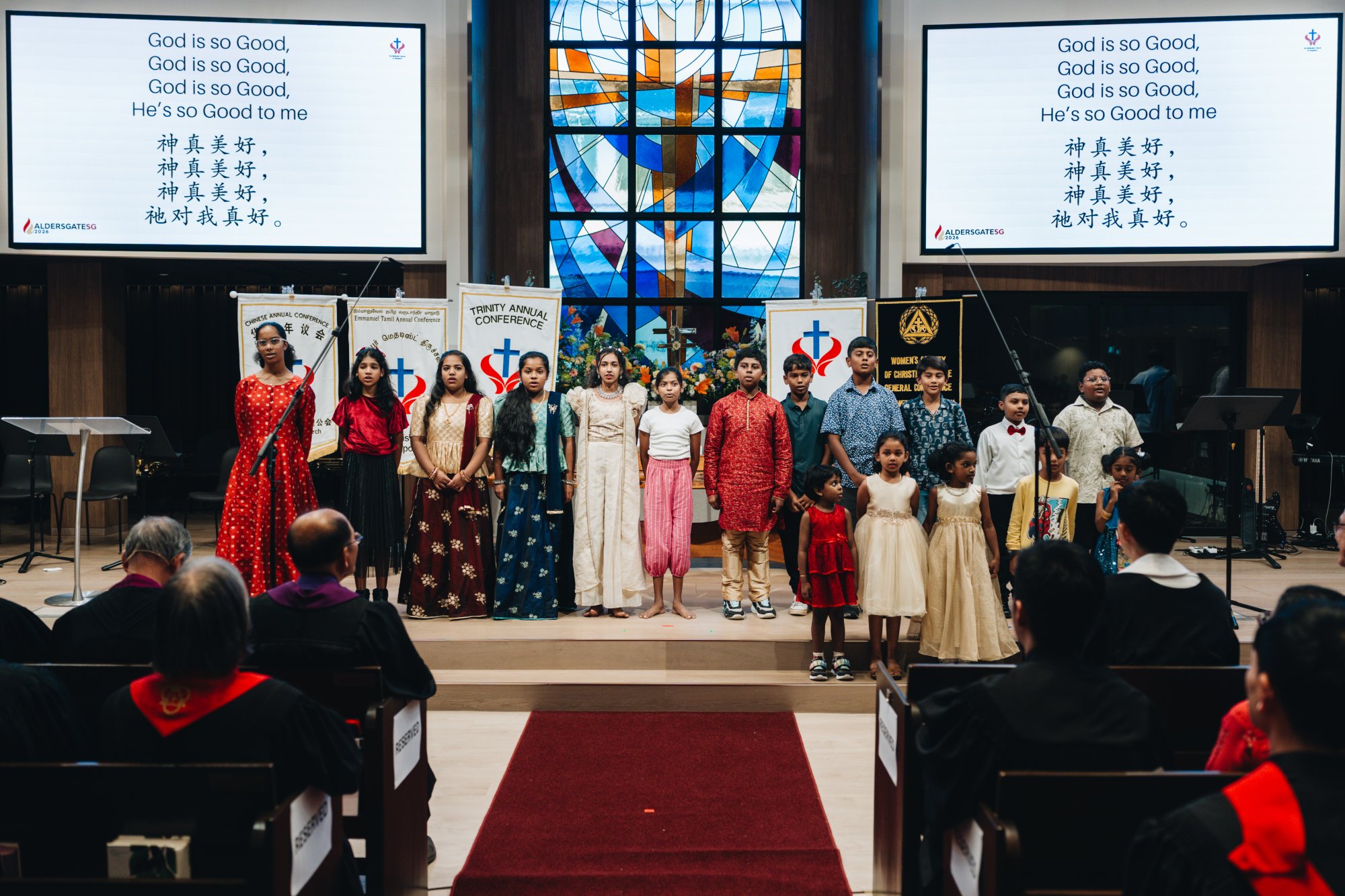
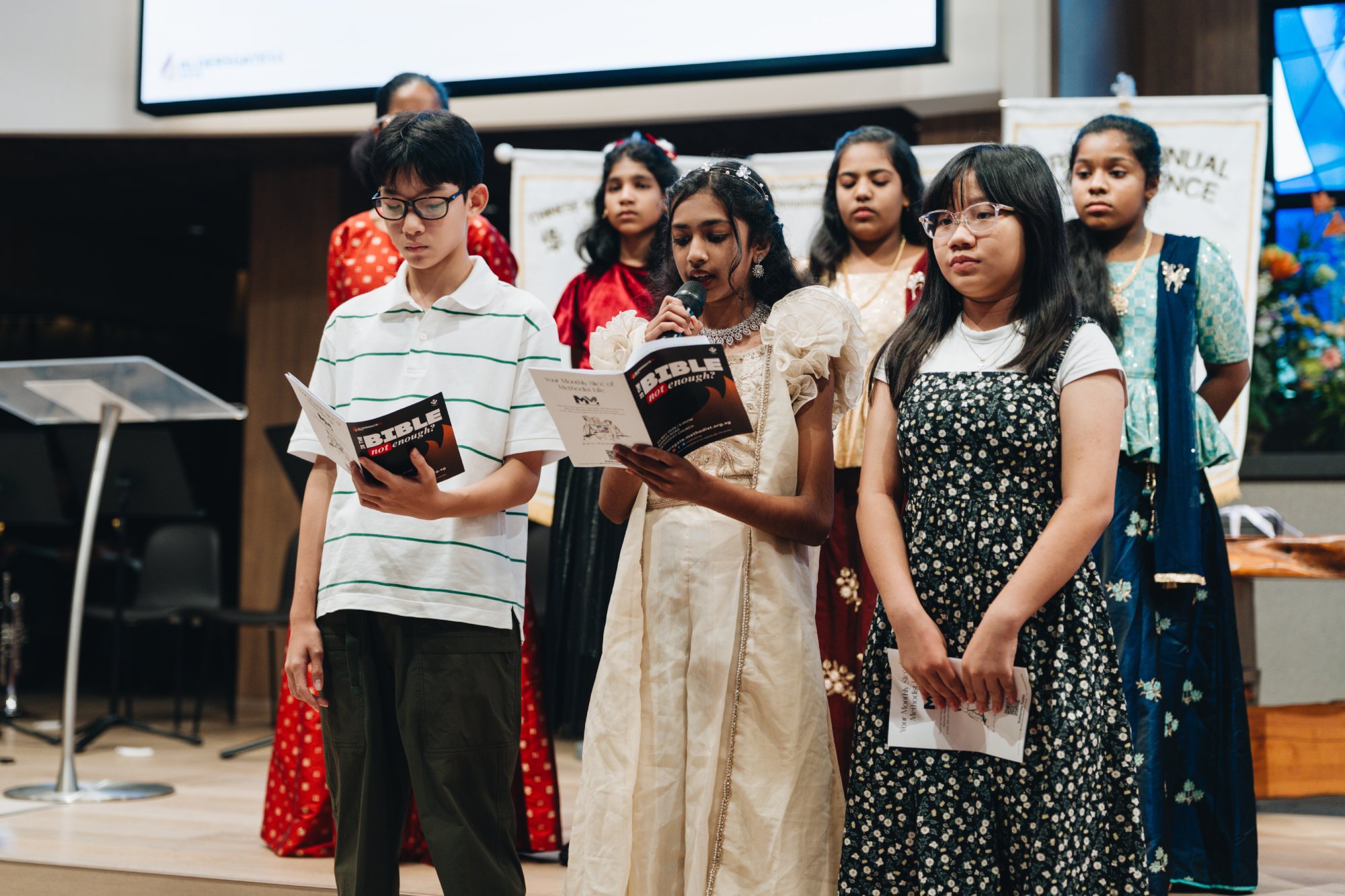
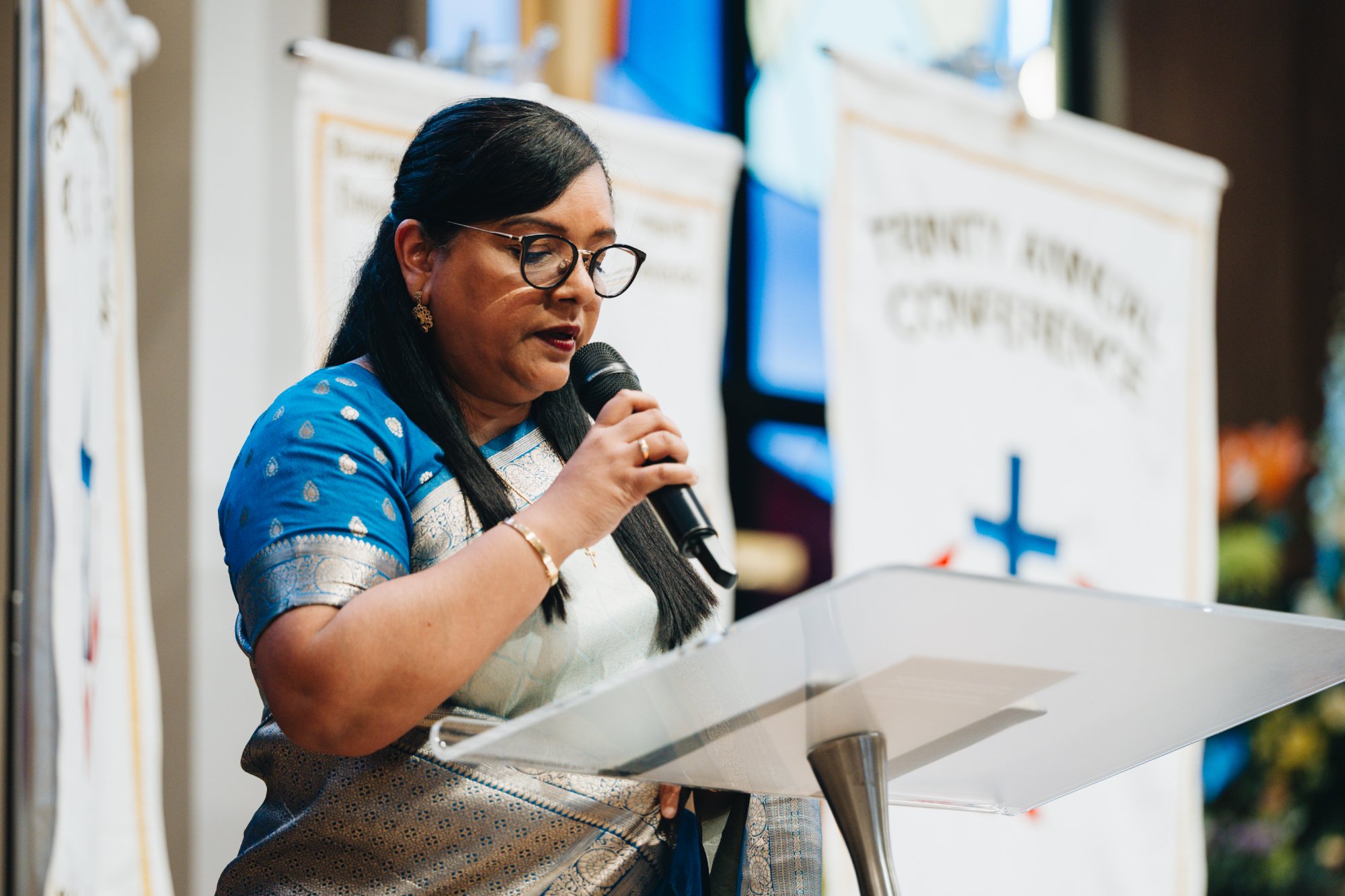
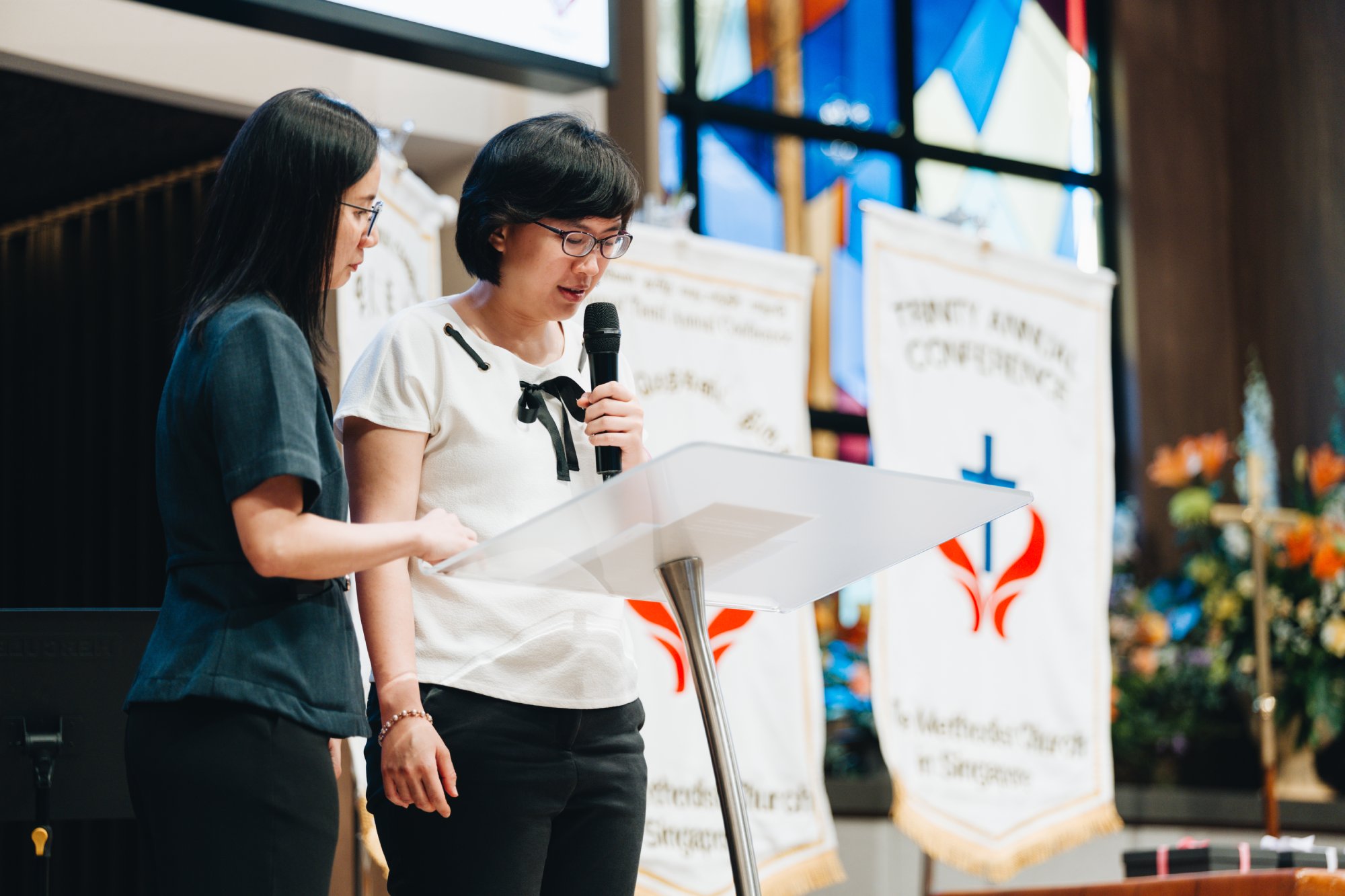
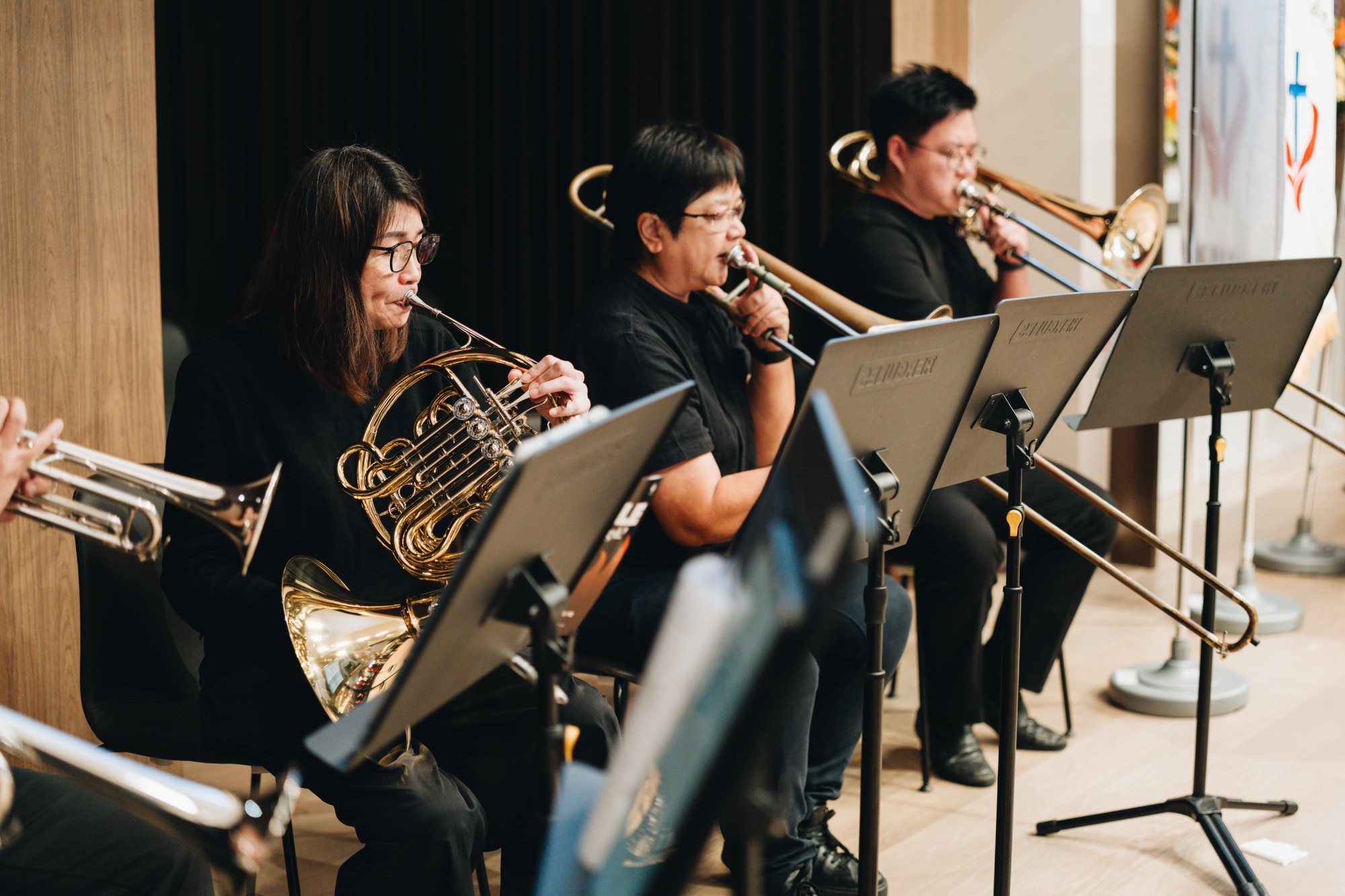
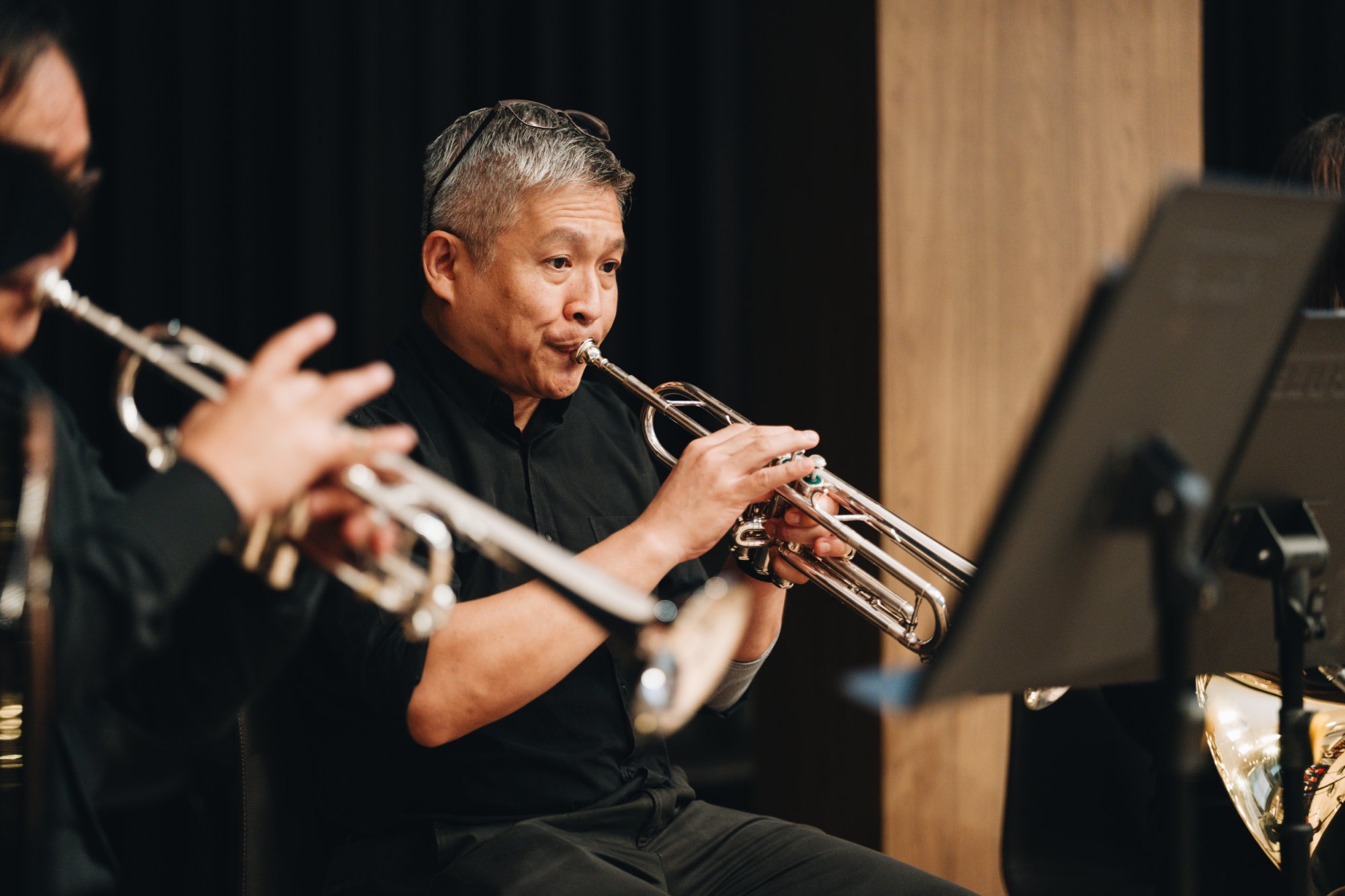
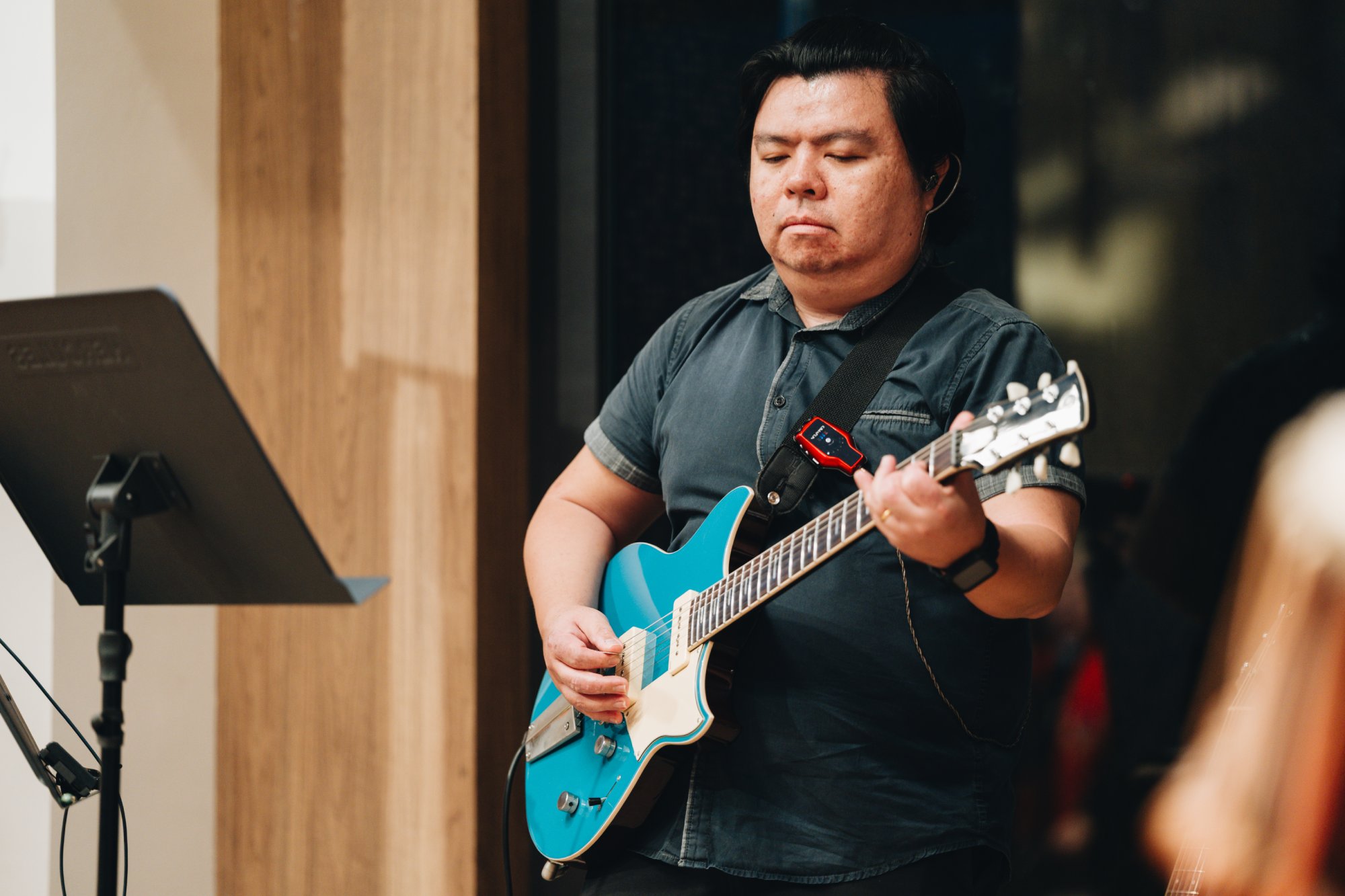
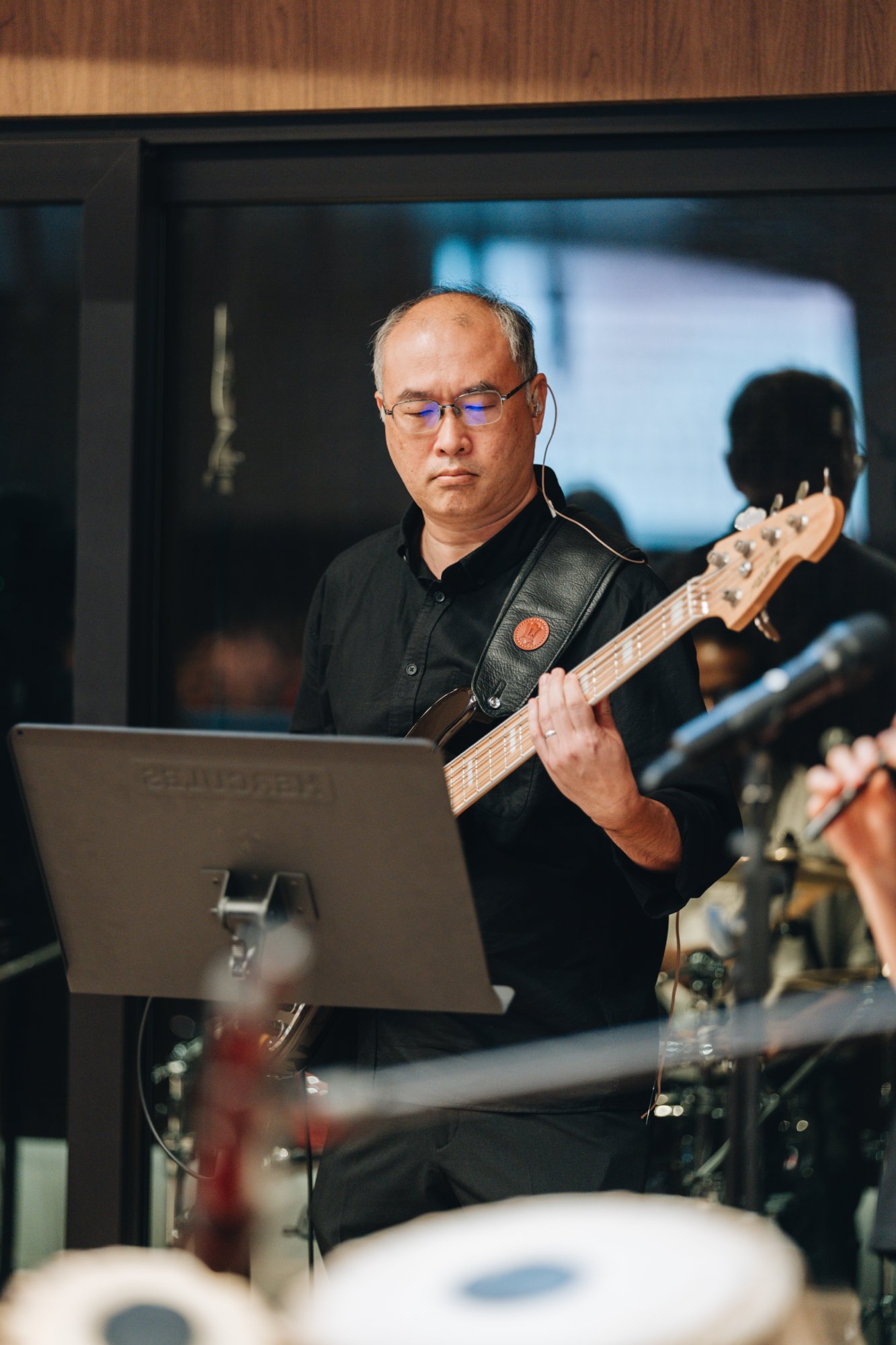
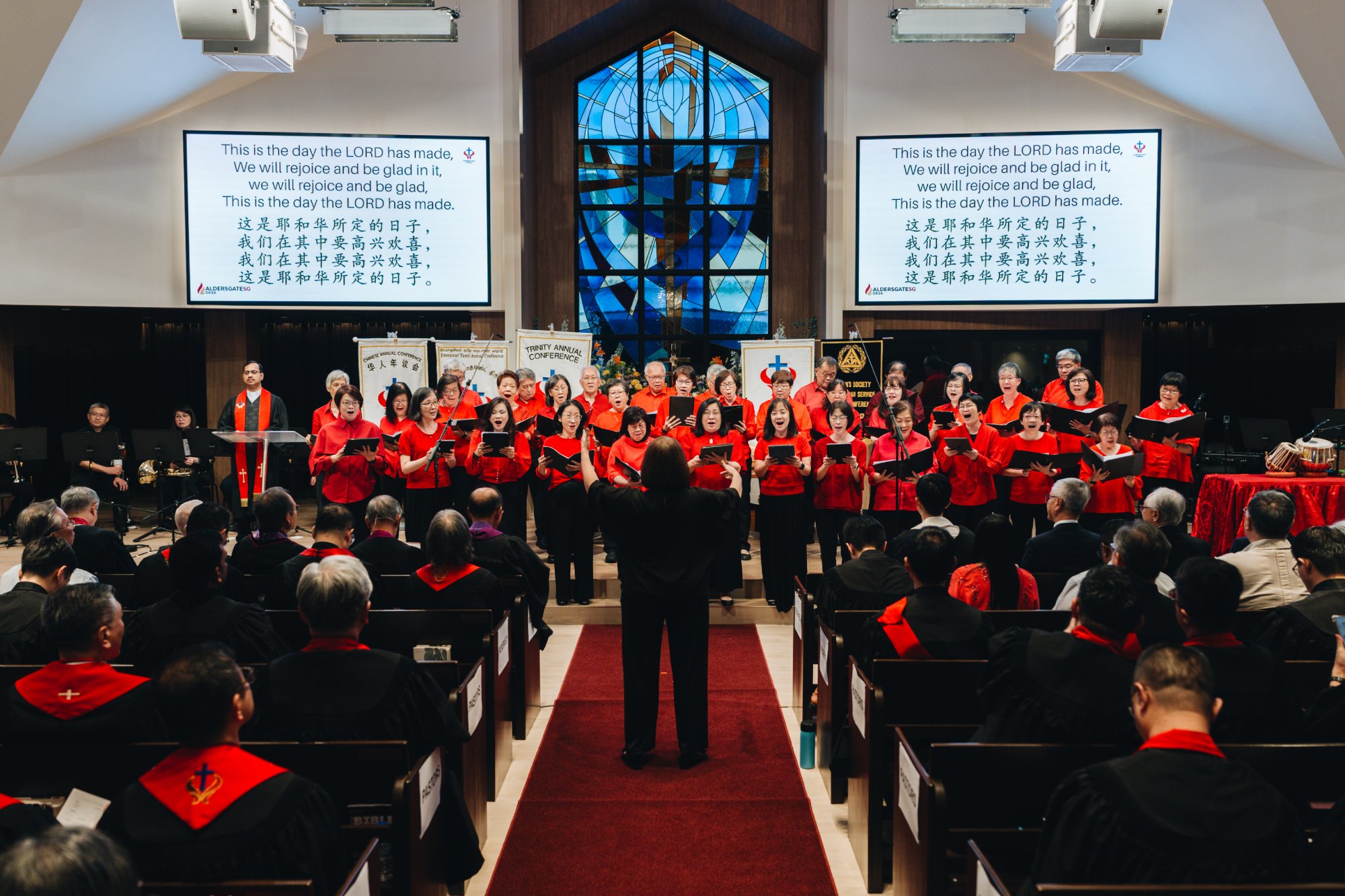
Following a thought-provoking lecture the evening before, the AldersgateSG 2026 Celebration Service opened with a rousing chorus of singing, Bishop Philip Lim’s greetings, and the children’s heartfelt prayer in Chinese, Tamil and English.
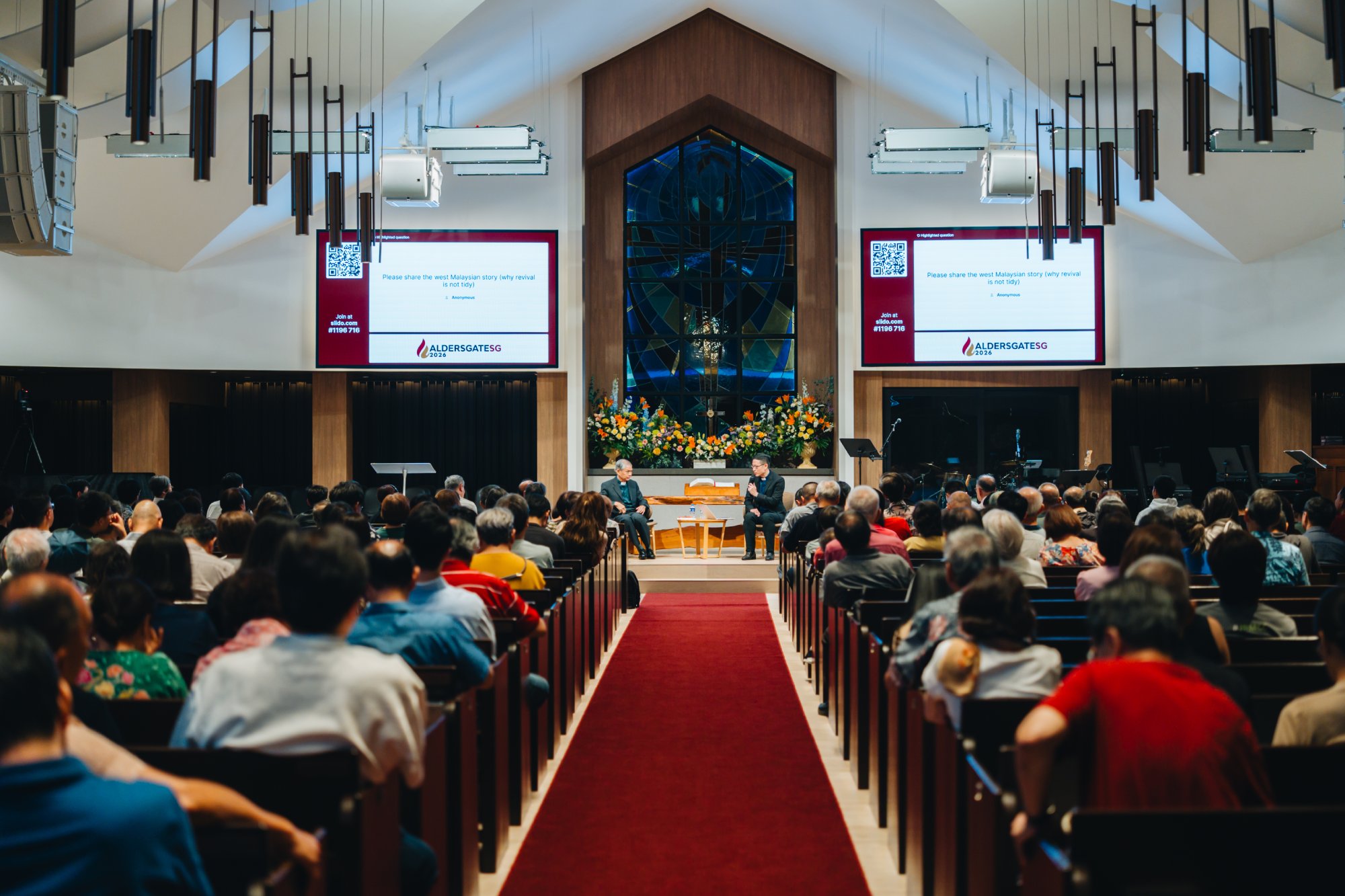
AldersgateSG, an annual flagship event by The Methodist Church in Singapore, was held on 23 and 24 May 2026 at Barker Road Methodist Church, which also marked its 70th anniversary in the same month.
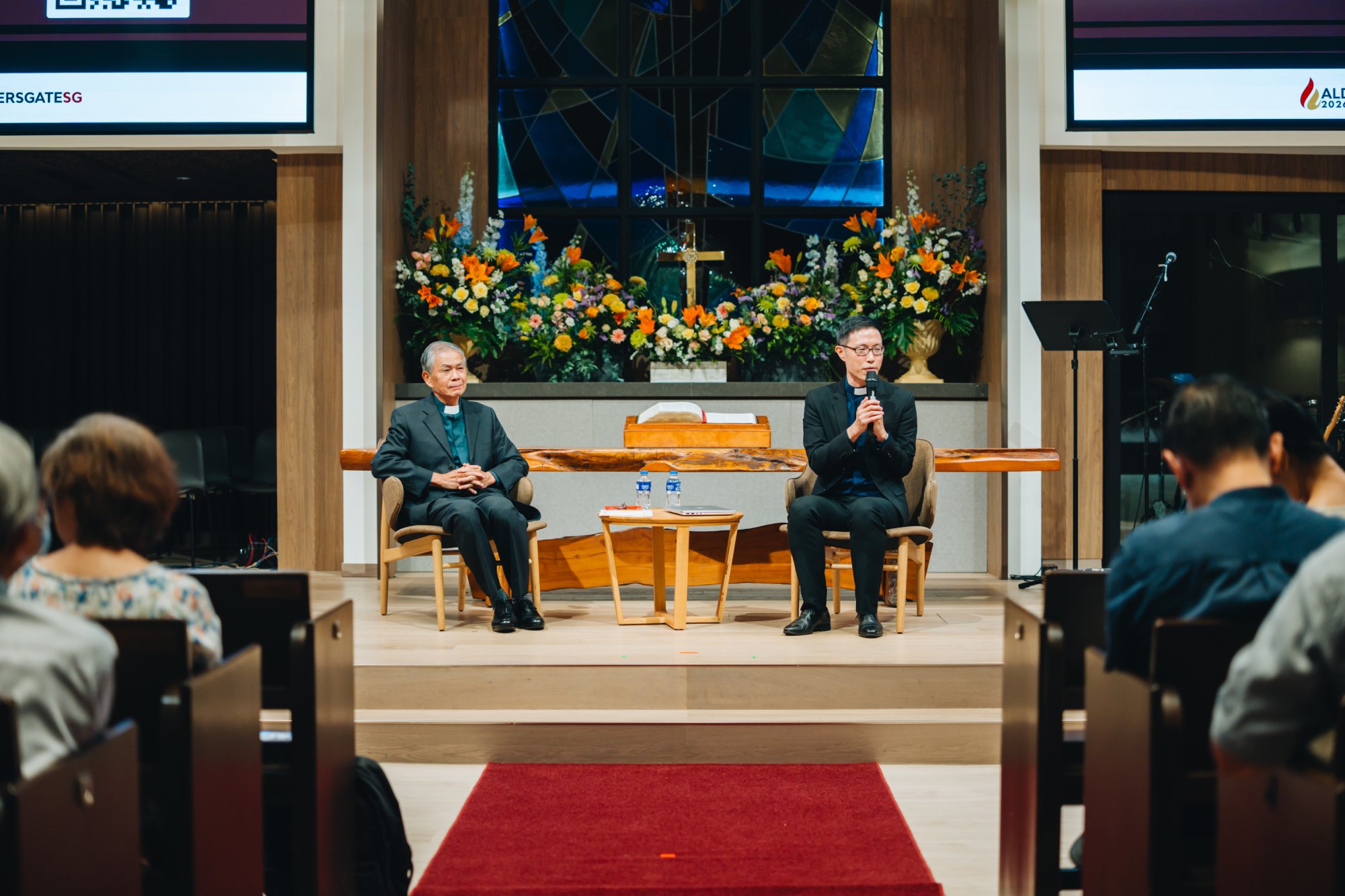
Speaker Bishop Emeritus Dr Hwa Yung delivered a lecture titled “Is the Bible not enough? Is experience necessary?” on 23 May 2026, attended by 330 people on site and over 190 via livestream.
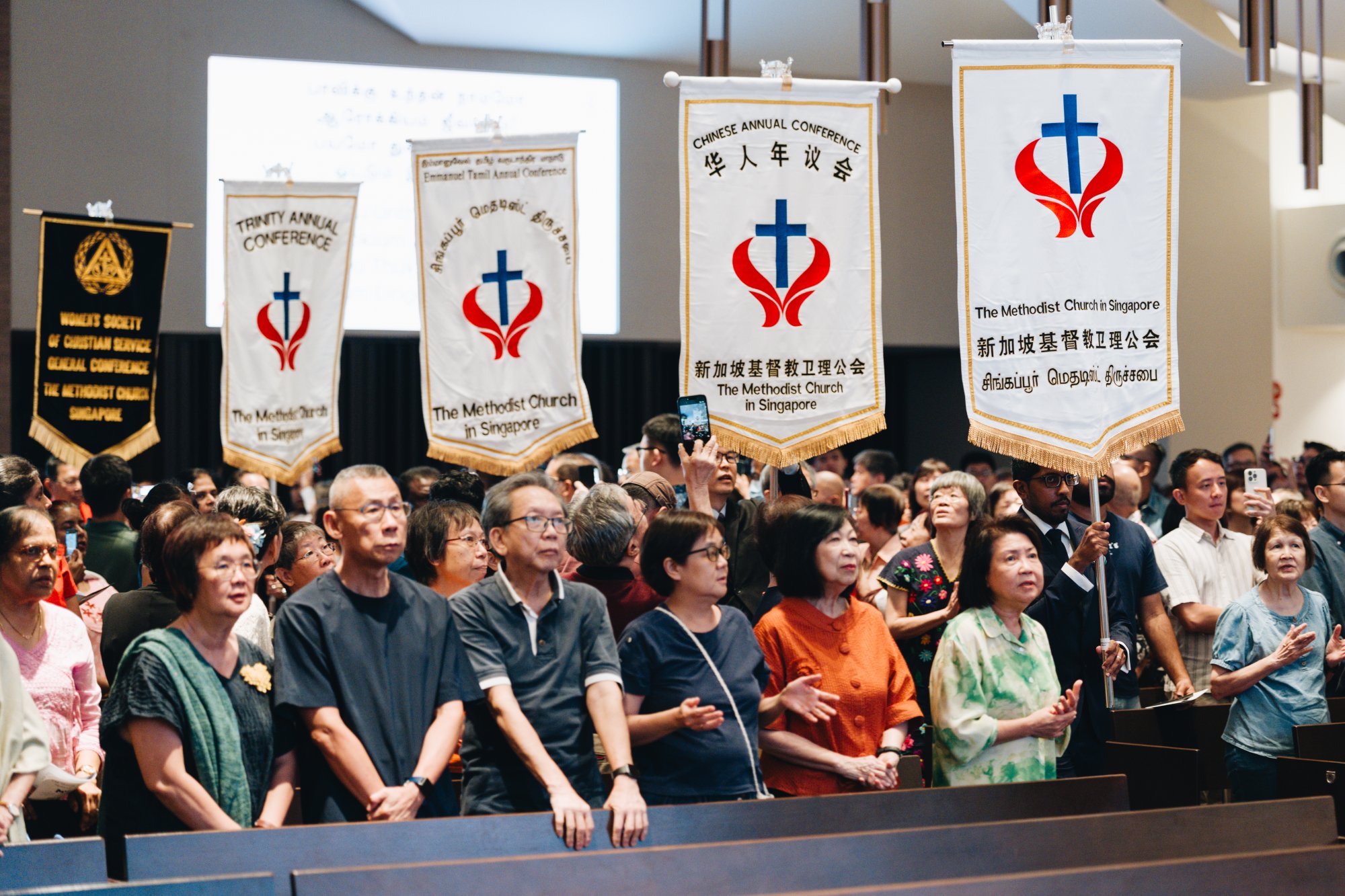
This was followed by the Celebration Service on 24 May 2026, where BE Hwa gave a sermon titled “What did the Church forget?”, which drew 720 attendees on site and more than 160 online.
A man of one book
Those familiar with the Wesleyan Quadrilateral of Scripture, Tradition, Reason and Experience may have misunderstood that all four points held equal authority for John Wesley, the founder of Methodism. As a demonstration of this misconception, BE Hwa related that since 1972, the United Methodist Church (UMC) in the USA adopted a statement which implied that John Wesley’s theology had four equal sources of authority.
He explained that after World War Two, the rise of the ecumenical movement allowed the Quadrilateral to become a convenient way of bringing diverse groups together. Moreover, by perpetuating the myth that attributed the Quadrilateral to John Wesley, BE Hwa said that some people, including the UMC Methodists, were able to apply it as “a theological tool to legitimise concepts and ideas not rooted in Scripture.”
Instead, BE Hwa strongly argued that Scripture alone held final authority, while tradition, reason and experience merely functioned as tools for interpreting and understanding Scripture.
He emphasised that Scripture was the sole and final authority for Wesley who famously proclaimed, “I want to know one thing, the way to heaven … At any price give me that book of God! … Let me be homo unius libri (man of one book).”
The heart strangely warmed
Experience of Assurance – Justification
If Scripture is supreme, why is experience still necessary? To understand this, BE Hwa recounted a lesser-known account of Wesley’s initial years of inner struggle as a Christian, long before his famous experience on the street called Aldersgate.
BE Hwa continued that along the way, Wesley was greatly aided by the German Moravians. One of their pastors, Spangenberg asked him, “Have you the witness within yourself? Does the Spirit of God bear witness with your spirit, that you are a child of God?” Wesley was at a loss for words as he answered unconvincingly that he knew with his intellect that Jesus Christ saved him. And in Wesley’s own words, “But I fear they were vain words.”
Fast forward two years to 24 May 1738, when Wesley journalled his now famous Aldersgate experience, “I felt my heart strangely warmed. I felt I did trust in Christ, Christ alone, for salvation; and an assurance was given me that he had taken away my sins, even mine, and saved me from the law of sin and death.”
Convicted, Wesley went on to write about the two witnesses, that is, the Holy Spirit and ours, as well as the confirmation of scriptural doctrine, as stated in Romans 8:12-14. Wesley recorded, “It is confirmed by your experience and mine. The Spirit itself bore witness to my spirit that I was a child of God, gave me evidence thereof, and I immediately cried, ‘Abba, Father!’”
Have you the witness within yourself? Does the Spirit of God bear witness with your spirit, that you are a child of God?” Wesley was at a loss for words as he answered unconvincingly that he knew with his intellect that Jesus Christ saved him. And in Wesley’s own words, “But I fear they were vain words.
Experience of Sanctification – Holiness
Holiness or the experience of sanctification, as explained by BE Hwa, was an important albeit controversial teaching of Wesley. He said that it was the gradual work of sanctification that led to Christian perfection. BE Hwa added: “For most of us, salvation is not instantaneous but more often a process.”
BE Hwa stressed that Wesley did not teach absolute perfection or a life without temptation, but a life increasingly transformed by holy love. And sanctification meant victory over the power of sin, having the Holy Spirit influence every part of a person’s life, and having wholehearted love for God and neighbour.
He said that it was the gradual work of sanctification that led to Christian perfection. BE Hwa added: “For most of us, salvation is not instantaneous but more often a process.”

BE Hwa bemoaned that for many today, to be “born again” also meant “cheap grace”. He added that many Christians wanted salvation but not sanctification and holiness. However, BE Hwa proclaimed that for Wesley, “Justification and sanctification were inseparable!”
To foster the nurturing of holiness among the Methodists, BE Hwa highlighted that Wesley raised up faithful preachers, preached tirelessly, and set up societies, classes and bands to provide pastoral oversight. These structures, together with the General Rules, served as a practical guide to Christian living.
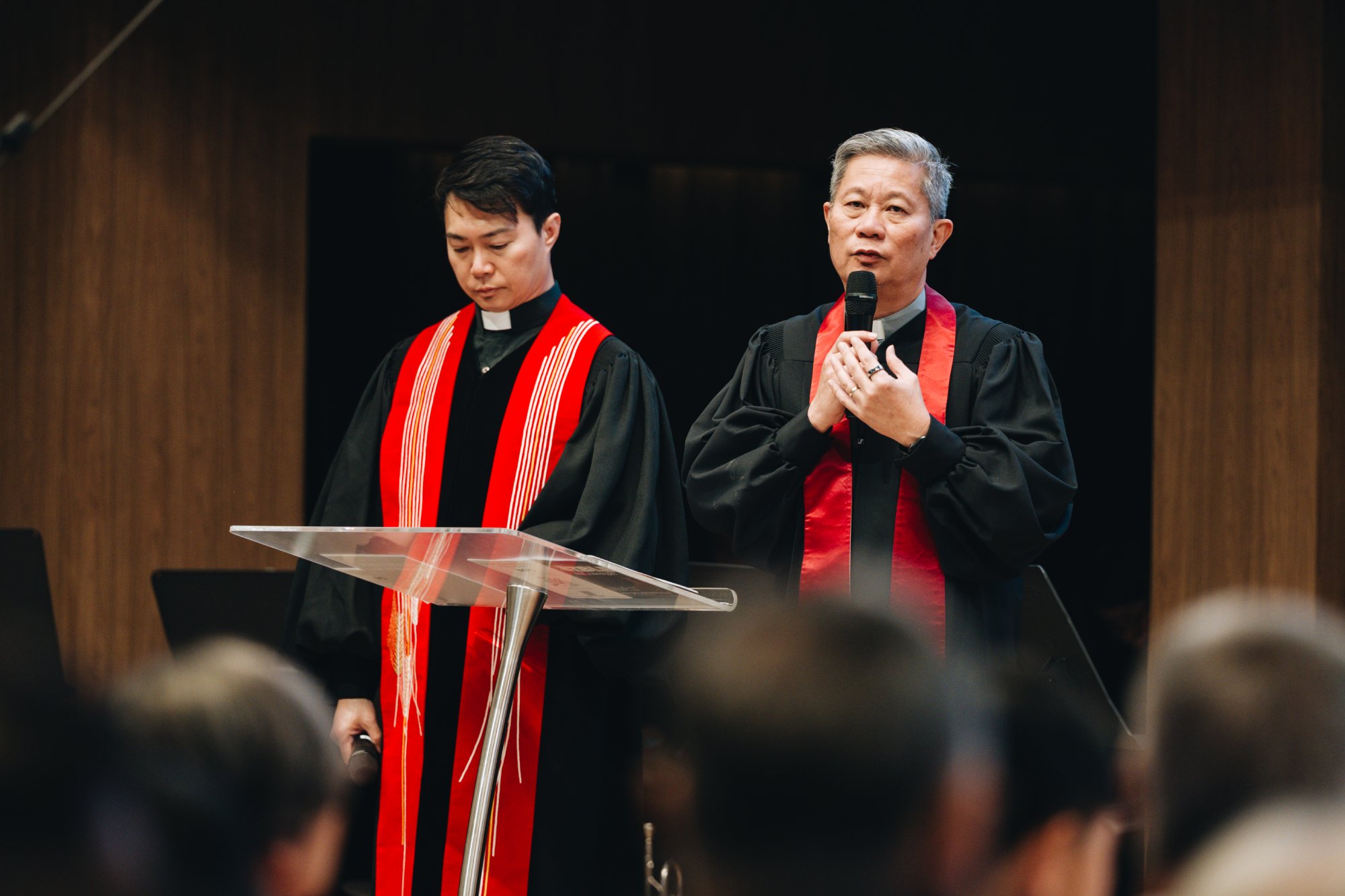
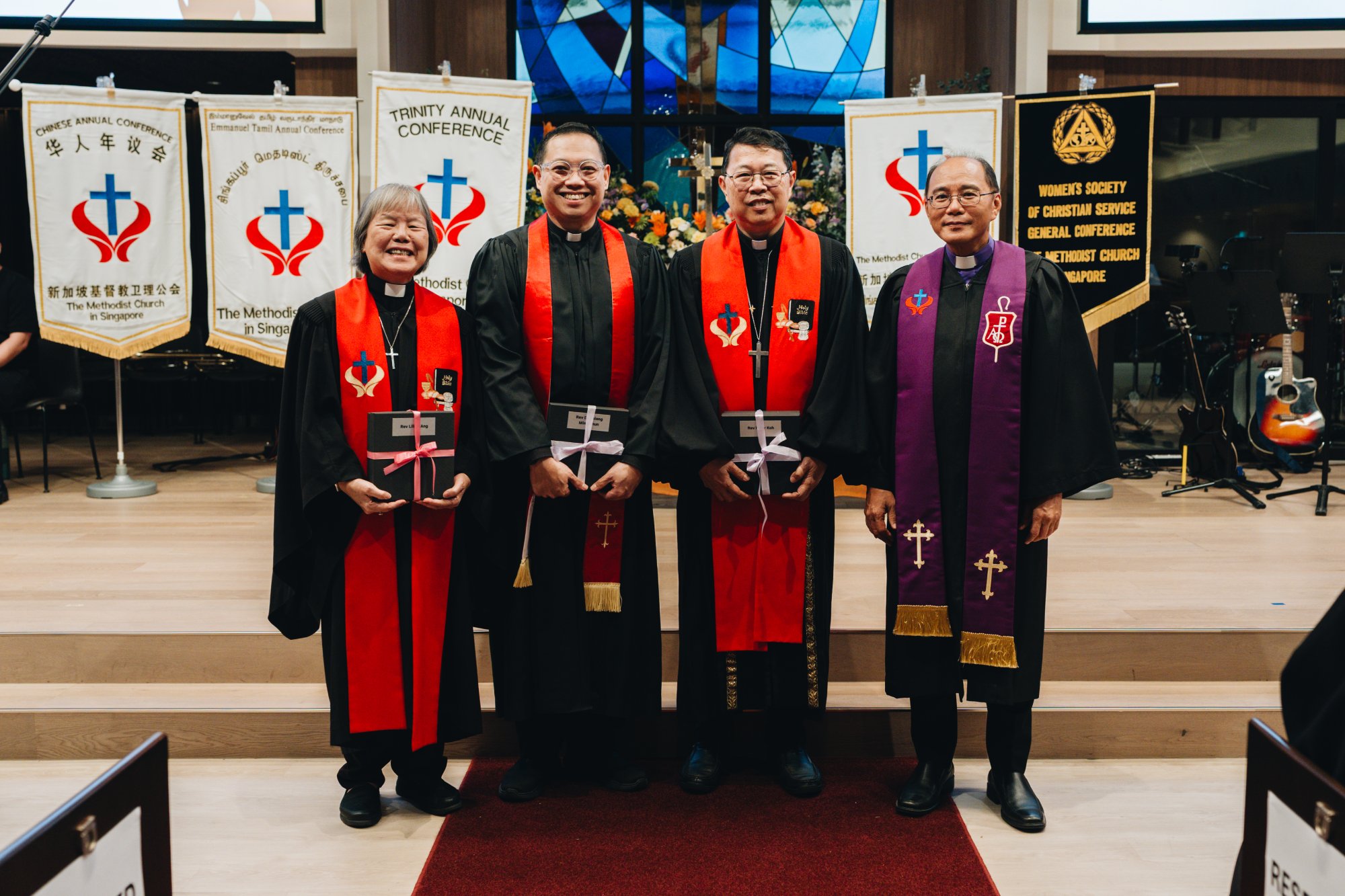
The commitment to faithful pastoral ministry continues to be upheld by the Church today, as seen at the presentation of the Long Service Awards during the celebration service. The awards honoured ministers who faithfully served for 25 years, namely Rev Lilian Ang, Rev Dr Chiang Ming Shun and Rev Peter Koh.
BE Hwa bemoaned that for many today, to be “born again” also meant “cheap grace”. He added that many Christians wanted salvation but not sanctification and holiness. However, BE Hwa proclaimed that for Wesley, “Justification and sanctification were inseparable!”
What the Church forgot
Experience of the Holy Spirit’s Empowering – Revival
As the workers of our Methodist churches continued to faithfully serve, BE Hwa urged us to remember the revival and experience of the Holy Spirit’s empowering, as promised in Acts 1:4-8. He observed that while early Methodism was openly charismatic in its practice, the modern Church has in many ways neglected the power of the Holy Spirit. Today, he lamented that much of the Church has forgotten both the promise and power of the Holy Spirit.
He stressed that “Wesley was definitely charismatic in the sense of being fully open to the supernatural realm and the work of the Holy Spirit, even in his time.”
Over time, however, beliefs changed. The Enlightenment and the Age of Reason increasingly gave rise to a world view defined by logic and science. It was also sceptical towards the spiritual and the supernatural. BE Hwa added, “People want revivals to be tidy today. They restrict the work of the Holy Spirit and do not give space to him.”
Giving an example of how powerfully the Holy Spirit worked when we made space, he recounted during the Q&A session, a revival that swept through the heart of East Malaysia in Ba’kelalan, Sarawak. Many were overwhelmed by the power of the Holy Spirit and fell to the ground—one woman laid there for 24 hours, and another for 48 hours. While conscious but unable to rise, many experienced deep convictions of their sins and a need to reconcile with those with whom they bore a grudge. Entire communities repented and were transformed. 1.7 million Christians were added to the Church in East Malaysia in 50 years from the 1970s to 2020.
When asked how to tell the difference between the Holy Spirit and emotional sentimentality, BE Hwa answered that the Holy Spirit would not speak against Scripture. Quoting 1 Thessalonians 5:20-21, BE Hwa echoed apostle Paul’s advice, that is, not to treat prophetic messages with contempt or to dismiss them entirely, but to discern and carefully evaluate them against Scripture. He also recommended to gather friends to pray together as God will give a common conviction.
BE Hwa reminded the congregation that the Church must recover not merely doctrine but spiritual power. “We must remember that we are a holy people!” he declared.
When asked how this was possible, BE Hwa responded that the Church needed to make room for the Holy Spirit, by emphasising holy living. He lamented that holy living has been replaced by respectability within the modern church. He added that ministers should model and teach holy living again. He also cautioned against the preference and focus on order and regiment which could in turn curtail the workings of the Holy Spirit.

Remembering who we are
In conclusion, BE Hwa reiterated Wesley’s fear, “I am not afraid that the people called Methodists should ever cease to exist either in Europe or America. But I am afraid lest they should only exist as a dead sect, having the form of religion without the power.”
As BE Hwa prayed for assurance and revival after the lecture, there were choruses of assent, as the congregation uttered unanimously “Yes, Lord.”
Therefore, let us heed the call to remember who we are as Methodists. With Scripture as our final authority, grounded in the three vital experiences of Assurance, Sanctification and the Spirit’s Empowering, may we, as BE Hwa has urged, “recover the spiritual dynamism that characterised our beginnings.”
Click here to view recordings of the live stream.
Ong Jia Min is the Website Editorial Executive at MCS Communications./ Photos courtesy of Zoe Collective Pte Ltd