
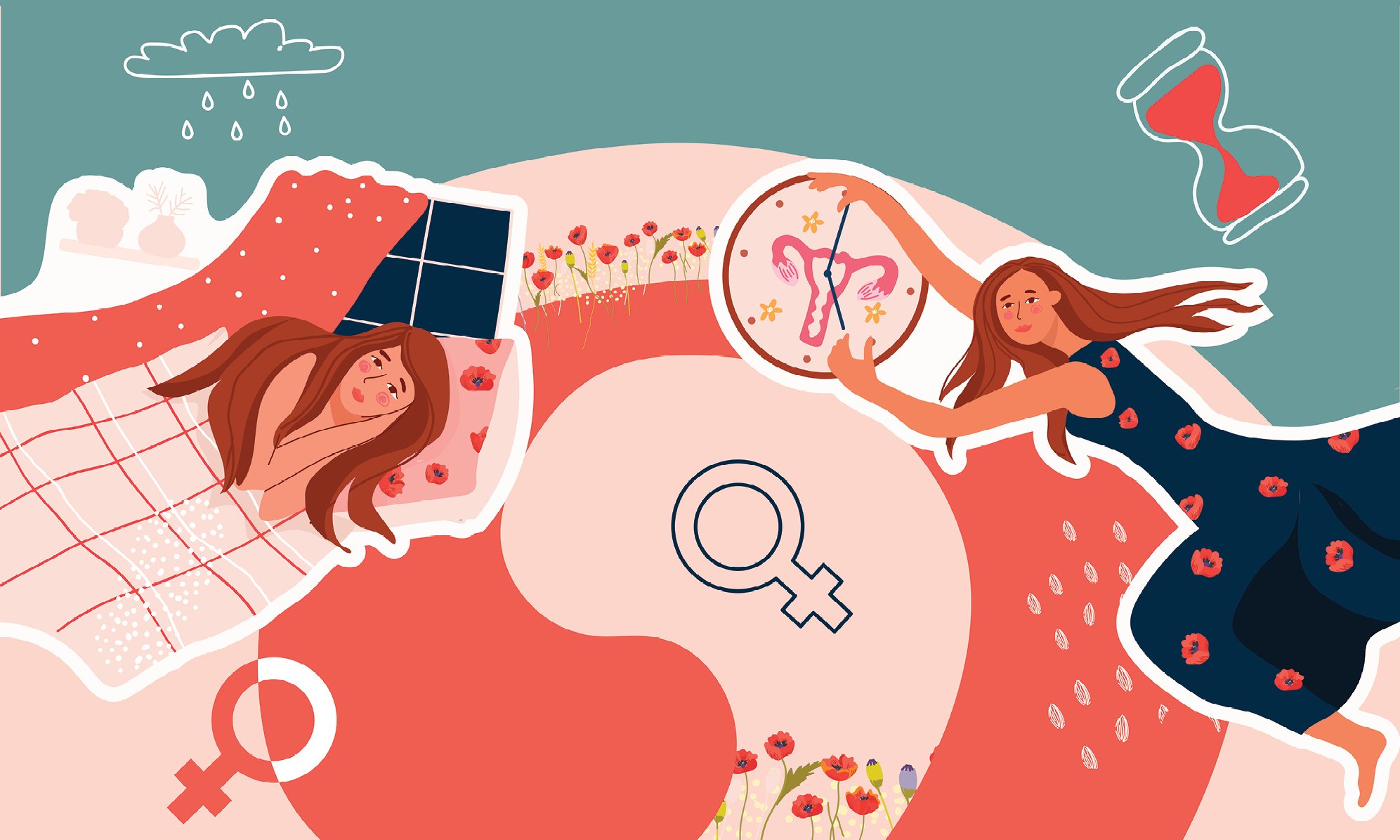
In her 40s, a woman may notice something shifting—fatigue, disrupted sleep, mood swings—and she can’t quite name it. It’s menopause, yet even though every woman will experience this, it is a topic rarely discussed. Drawing on insights from Dr Tay Ruixin, Rebecca Yong and Dr Adriel Rao at a recent WSCS talk at Wesley Methodist Church, Grace Tan explores what it means to steward the body and mind through this transition with compassion rather than criticism.
Fulfilling multiple roles and multi-tasking feels like second nature to being a woman. We carry a breadth of responsibilities, moving between roles as mother, wife, daughter, friend and worker, often all at once. In each space, we give deeply and generously, pouring out care that sustains others, without pause.
We have learnt how to hold it all together. Some of us build rhythms and routines that keep life moving. Others contribute by making sure the family’s meals are prepared and needs are anticipated. There is a quiet confidence in this season, where we feel steady and in control. However, when we move into our mid to late 40s, we start sensing a shift. We cannot pinpoint when the shift occurred yet our responsibilities that once felt manageable now feel heavier. The rhythms that once sustained us start to become more overwhelming.
Difficulty sleeping, low energy, weight gain and hot flushes become more common. All these changes can feel disorientating, especially when the strength we used to feel confident about is no longer the same.
The answer for the changes in our mind and body lies in the natural onset of menopause or perimenopause. But, no one seems to be talking about it. The Bible, as our handbook for life, must have something to say about this season. What should the Christian woman know about menopause and how should we approach this season in life?
Understanding menopause: Listening to the body
Menopause is a journey all women will encounter at a certain point in life. According to Dr Tay Ruixin, a family physician with the Singapore Medical Council, some women will experience perimenopause first, where hormones fluctuate and the body prepares for change.
Common symptoms include disrupted sleep, hot flushes, brain fog, or shifts in mood and weight. These changes can feel unfamiliar but are not signs of failure. They are symptoms indicating that a transition is happening to our physical bodies.
Common symptoms include disrupted sleep, hot flushes, brain fog, or shifts in mood and weight. These changes can feel unfamiliar but are not signs of failure.
Scripture reminds us, “For everything there is a season, and a time for every matter under heaven” (Ecclesiastes 3:1). Many of us often go through our lives without pausing or resetting our bodies. Menopause is a way for us to relook life from a new perspective: it is a chance for us to listen, slow down and treat our bodies with care rather than push through exhaustion.
Grieving the change while seeking God
Menopause, for many, may appear to be simply a medical condition to manage. But it is also a season for spiritual transition.
Rebecca Yong, a Missions pastoral team member at Wesley Methodist Church, emphasised that this is the time when God gently invites us to go deeper in our relationship with God and grow in ways we may not have needed previously. This season is also not one without its challenges.
Some of us feel grief, she said, over the changes we experience in our bodies. “We notice that we do not feel the same as before. Our energy, appearance and vitality shifts. It is okay to feel sad about these changes because the emotional impact is real and can affect our confidence, sense of identity and self- worth. We have to come to terms with not being able to do what we once could,” Rebecca said.
The silver lining, however, is that this period is an invitation to bring these thoughts and struggles before God and know in our hearts that he will be with us through it all.
The silver lining, however, is that this period is an invitation to bring these thoughts and struggles before God and know in our hearts that he will be with us through it all.
Many of us used to go through our daily lives relying on our own strength, but this season allows us to rely on God more fully. When we find difficulty lasting through the day, we can learn to pray, ask God for strength and in that place of need, we can then see his faithfulness in new ways.
Isaiah 46:4 (NIV) reminds us, “Even to your old age and grey hairs I am he, I am he who will sustain you.” God remains constant and is our source of strength, even when we feel despair about what is happening to our bodies. Our understanding of fruitfulness begins to change. Fruitfulness for some women used to be defined as how productive we are, or how much we have achieved. But God gently reframes this for us during this season of menopause. True fruitfulness is found not in striving, but in abiding and remaining faithful in Christ. As we grow closer with God during this journey and rely on him more, we continue to bear fruit, even in seasons that feel slower or more hidden.
Stewarding your body with compassion
Our bodies are temples of the Holy Spirit, and we are to make wise decisions to care for them. During menopause, we should reframe our thinking and care for ourselves more intentionally. This includes nourishing our bodies well and resting more. It is not about striving harder but about responding more wisely to what our body needs.
Lifestyle medicine physician Dr Adriel Rao shared that caring for our bodies can be understood through six simple but essential pillars: nutrition, physical activity, restorative sleep, stress management, meaningful social connection and avoiding harmful substances. These are not rigid rules to follow, but gentle guides that help us live with greater awareness and stewardship.
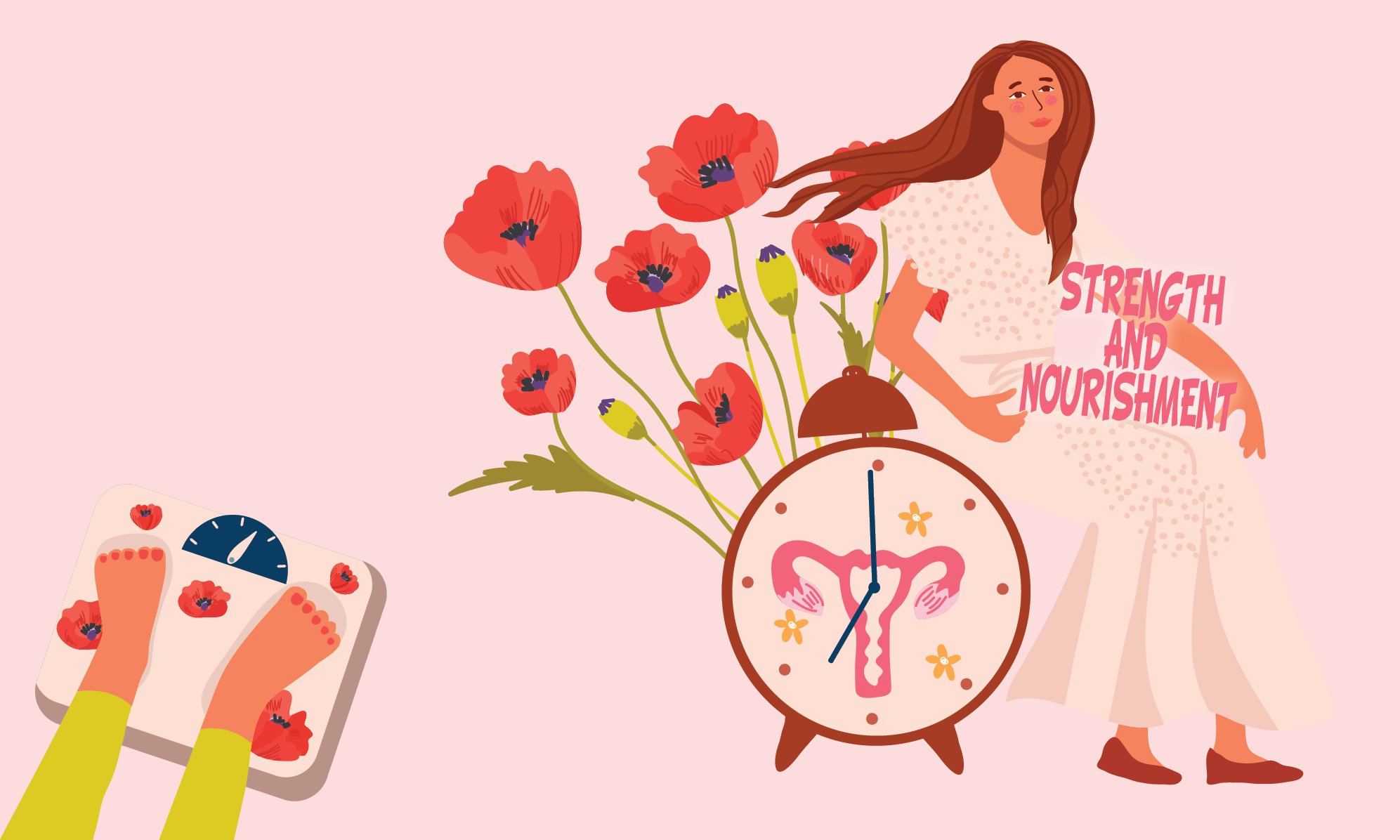
Dr Rao highlighted the pillar of nutrition as one of the areas we should prioritise. Rather than fixating on weight loss, we should focus on gaining strength and nourishment. Instead of restricting or counting calories obsessively, we are invited to nourish our bodies with the right kinds of food. This includes reducing ultra-processed and sugary foods, and choosing foods that sustain energy for longer. Food that is rich in fibre can help to stabilise energy and support our body over time. Protein also becomes especially important as we grow older, helping to maintain muscle and our overall strength.
Rather than fixating on weight loss, we should focus on gaining strength and nourishment. Instead of restricting or counting calories obsessively, we are invited to nourish our bodies with the right kinds of food.
Ultimately, caring for ourselves in this season is not about perfection, but attentiveness. It is learning to listen to our bodies with compassion, respond with wisdom, and honour the life God has entrusted to us. We should remember and remind ourselves constantly: caring for yourself is not selfish, it is faithful stewardship.
Stewarding the mind
Stewarding the mind is just as crucial as nourishing the body. We can choose to posture our hearts with compassion rather than criticism, speaking gently to ourselves rather than harshly. We were never meant to walk through this journey alone.
God places people around us—our spouses, friends, small groups and communities—to be our encouragers and companions. We will learn to lean not only on God, but also on the community he has given us, allowing others to walk with us. Ultimately, this is a season of deeper discipleship. As we remain anchored in Christ, abiding in him, and trusting in God’s timing, we begin to see, as in Ecclesiastes 3:11 (NIV), that “he has made everything beautiful in its time.” This is not the season where purpose diminishes; it is the season where it is refined, deepened and lived out in a new way.
A benediction for the journey
To every woman in this season, may you know that you are seen, sustained and deeply loved by God. And through this period, meet your changing body with compassion, and approach this season with courage, positivity and strength.