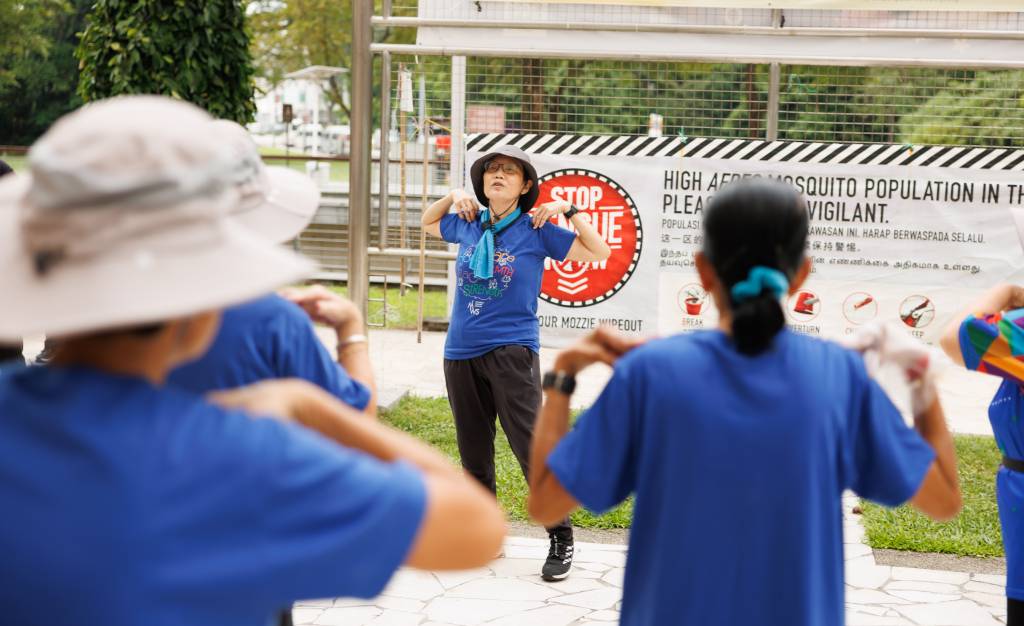

Our churches are increasingly embracing intentional intergenerational ministry to nurture faith across age groups. By creating spaces where young and old learn, serve and worship together, congregations foster mutual discipleship that strengthens both identity and resilience. Practical initiatives include mentorship programmes linking older members with youth, mixed-age small groups focused on Scripture and life application, and joint community service projects and mission trips that leverage diverse skills and perspectives. These initiatives combat isolation, transmit institutional memory and model lifelong faith formation.
The key to longevity in ministry is reciprocal learning: seniors offer wisdom, pastoral insight and vocational guidance; younger members bring fresh energy, technological savviness and new cultural engagement. Churches that prioritise shared leadership roles—pairing emerging leaders with experienced mentors—help ministers and volunteers pace their calling and avoid burnout. Intentional sabbaticals, phased responsibilities and congregational care systems encourage sustainable ministry rhythms.
“Finishing well” becomes a communal goal rather than an individual burden. Congregations can celebrate milestones, document ministry legacies and intentionally prepare transitions so that elder leaders pass the baton with dignity and purpose. Theologically, this work honours the Bible’s call to mutual instruction and faithful endurance: “I have fought the good fight, I have finished the race, I have kept the faith” (2 Timothy 4:7). Paul also exhorts healthy church life in calling older women to “train the younger women” (Titus 2:3–5).
It is also good for the older generation to keep in mind that, like parenting, there must come a time to let go and let the younger generation take over. They need space to learn their own lessons, make their own mistakes and experience our good and faithful God for themselves. A culture of mutual honour and respect will go a long way towards smoothing tensions and friction that will inevitably arise.
Referring to the recently published 2025 General Household Survey1 where a decline in the Christian population in Singapore was recorded, we should heed this trend and do what it takes to cultivate durable ministries that reflect God’s multigenerational covenant faithfulness.
Bishop Philip Lim was elected Bishop of The Methodist Church in Singapore in 2024. Previously, he served as a missionary in Cambodia under the Methodist Missions Society (MMS), and as Executive Director of MMS from 2012 to 2018.
1 https://www.singstat.gov.sg/publication-resources/general-household-survey-2025