“Your God is a ‘Western’ God, very unlike our gods. To believe in your God, is to give up my identity.”
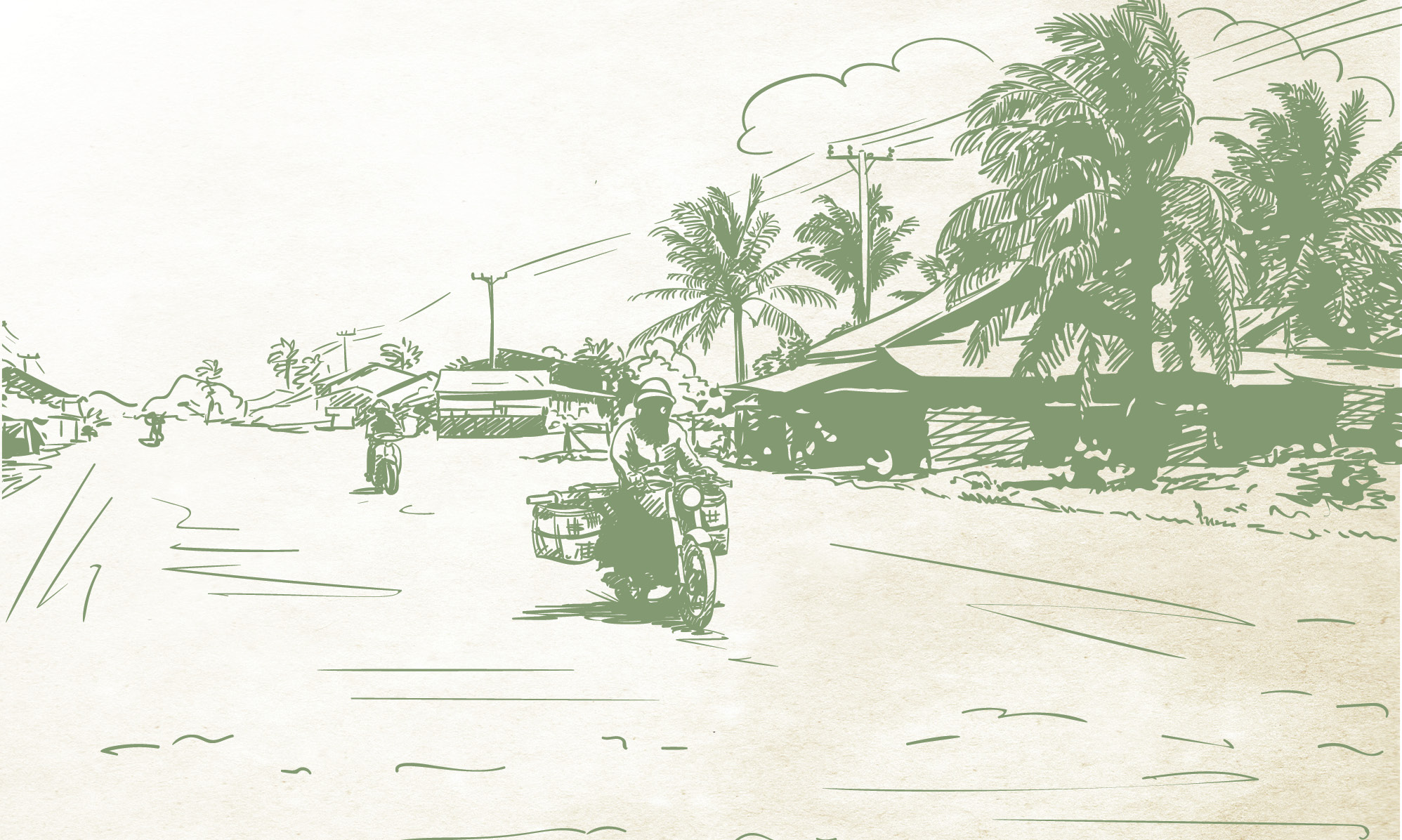
I was a new missionary in a Creative Access Nation and thoroughly unprepared for this response from the man whom I just shared the gospel with. For the people of that nation, to worship the gods of their land and pass the same traditions down to their children and children’s children was foundational to their identity and it would be an act of betrayal to family and community to believe in a “Western” God.
With many missionaries in that country coming from Western nations, I could understand his misperception. Even though an Asian person, as I am, shared the gospel, Christianity was still seen as a “white man’s religion”.
My co-worker, who is senior to me, responded, “But Jesus was born in Israel. Israel is in the
Middle East which is considered part of Asia. Jesus is not a ‘Western’ God.”
He pointed out Romans 1:19-20 which says that God has been plainly revealed to all through creation itself. Drawing from the Apostle Paul’s preaching on the “Unknown God” to the Athenians in Acts 17:23, my co- worker told the man that the God of the Bible is the God of heaven and earth.
“We have a god like that, a god that is supreme over all, but we do not know much about this god. There are no statues or temples to him here, but we believe there is a creator, father-like god who created the heavens and the earth,” the man said, showing interest.
The conversation continued to flow as my co-worker explained that the supreme god the man believed in is really the God of the Bible and how he revealed himself through Jesus Christ. I was amazed at how this exchange was founded on common ground. My co-worker had built a redemptive bridge into the man’s culture, like the Apostle Paul did in Acts 17.

We believe in God who communicates plainly with his people, who desires to be known and reveals himself through the Word of God. How can we go about telling people about him?
- Find common ground
Affirm what is common between us. - Compassionate curiosity
Ask questions about differences in a way that seeks to understand the other person’s view, rather than to defend your view. - Build redemptive bridges
Relate the truths of the Bible in a culturally relevant way, building a bridge into the person’s culture, worldview and religion. Where possible, point to the similarities in religious/cultural practices, sharing God’s intent on those practices which are documented in the Bible.
My co-worker once told me of his encounter with an old man who lived up in the mountains. Every morning, for 80 years, he would light an incense stick and bow in worship to a statue. Then he heard the gospel for the very first time, from a group of Christians who also invited him to church. However, the loud music, singing and clapping of hands at church shocked the old man and he left the service midway. He complained to my co-worker about the “improperness” of Christian worship compared to the respectful solemnity of his own daily ritual.
To this, my co-worker showed him the Scripture verses on offering incense: God’s instructions on burning and the role of incense in worship. He affirmed the old man’s devotion and encouraged him to bow and offer incense not to idols or ancestral tablets, but to God. Eventually, this bridge led the old man to believe in Christ.
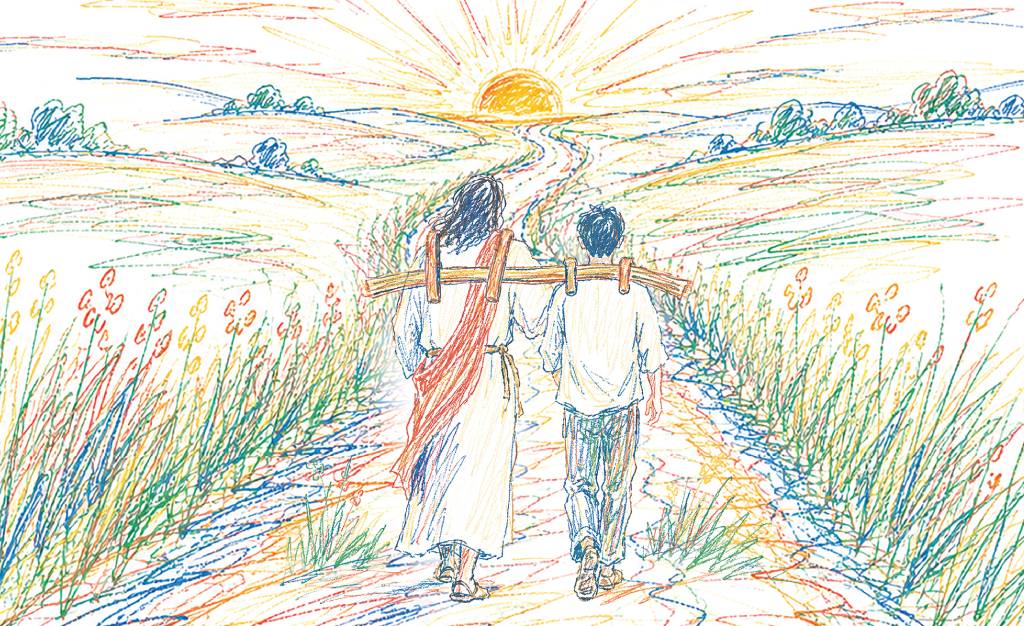
Our role model is Christ who shared our common human experience during his time on earth. He built for us the ultimate redemptive bridge to God the Father through his life and sacrifice. May we also keep building redemptive bridges to convey the gospel to all people.
Jeremy Choo served as Missionary Service Member Care Executive in the Methodist Missions Society from 2014 to 2025.